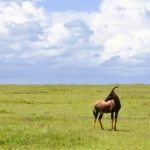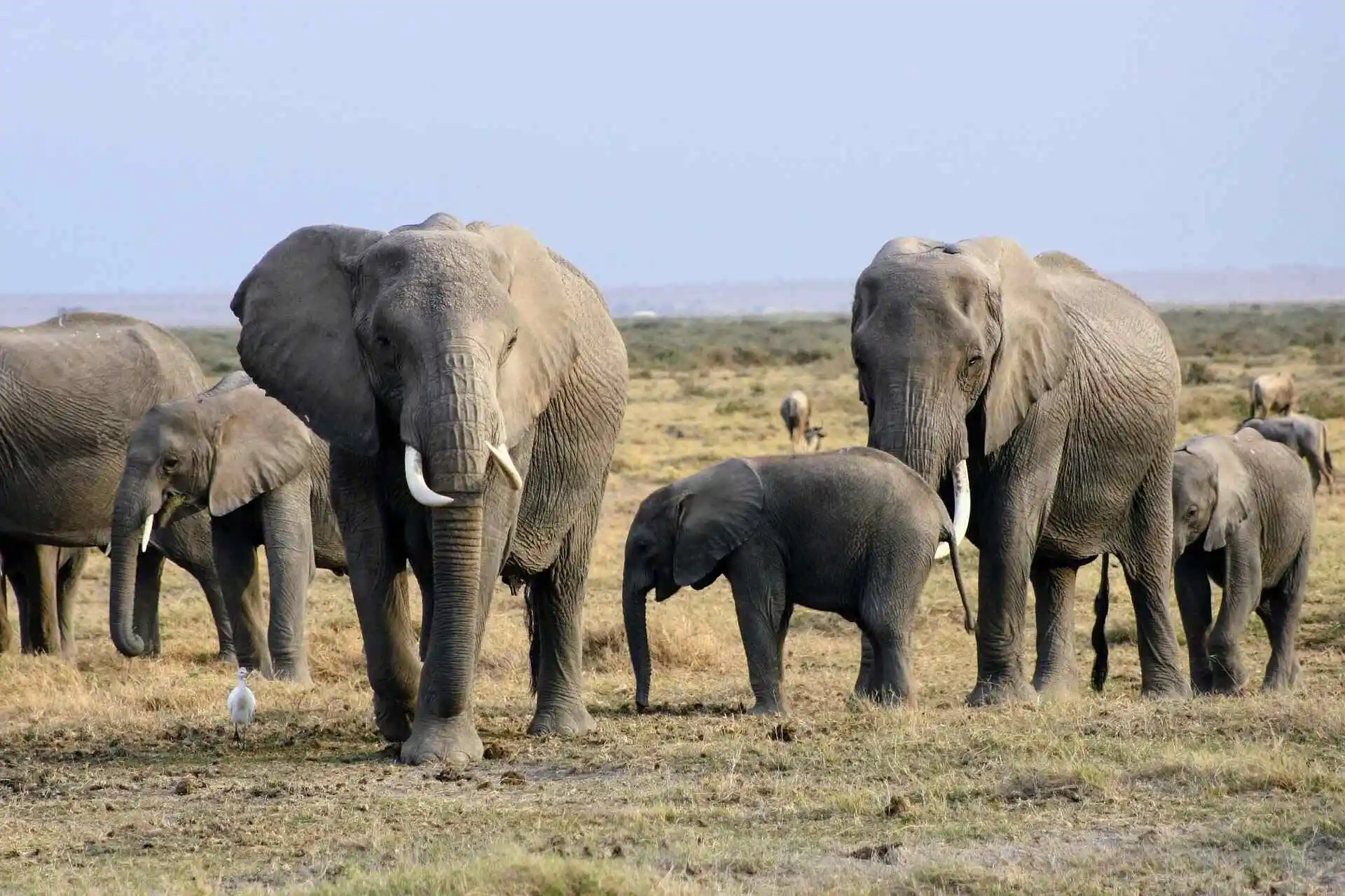
September is a great month to explore the Serengeti. The dry season continues and golden plains offer fantastic wildlife encounters in most parts of the national park. Animals congregate around permanent water sources while the thinner vegetation makes spotting game exciting
One of the main attractions during this time is the Great Wildebeest Migration. Large herds of wildebeest and zebras are regularly seen in the Northern Serengeti where they gather around the Mara River crossing into the Maasai Mara in Kenya
Apart from the migration, September is also an exciting time to see lions, leopards, cheetahs, elephants, giraffes and much more. Come and explore the Serengeti's unique wilderness during this fascinating year.
Is September a Good Month To Visit the Serengeti?
September is one of the most popular months to go on a safari in the Serengeti. It falls within the dry season that runs from June to October. This means limited rainfall and superb wildlife viewing opportunities. Animals are seen congregating around permanent rivers and water sources as the vegetation becomes thinner
This creates excellent game viewing opportunities on the many open grasslands in the park. Wildebeest and zebras are also seen crossing the Mara River in the Northern Serengeti, although the crossing is dependent on the time of the migration.
September is also one of the busy safari months, which means advance bookings are recommended. Popular camps and lodges in the Serengeti tend to fill up fast during this time of the year.
What is the Weather like in the Serengeti in September?
September tends to be a dry and warm month throughout most of the Serengeti. Mornings are cool while days are warm and clear. Evenings also tend to be cool, especially when game drives are taken in an open safari vehicle.
Temperatures range from an average of 25°C to 30°C during daytime. Nighttime temperatures are also relatively cool, although this is dependent on the time of the year and altitude.
It is also relatively dry in September. This means clear skies and excellent wildlife spotting opportunities. However, there is still a possibility of rainfall, which should be considered when packing.
As the vegetation becomes thinner during this time of the year, the landscape becomes drier and golden in colour. The more popular roads and tracks tend to also be dusty. However, the great game viewing opportunities that come with vegetation thinning are a huge advantage to visiting the Serengeti in September.
Wearing the right clothing is important as it can get chilly during early mornings and evenings in the open safari vehicles. It is also advisable to wear a warm jacket during game drives. Layering should be considered as temperatures can fluctuate during the day.
Sunglasses, sunscreen and a hat are also important accessories to bring along, as the sun can be quite strong during the day. Camera equipment also needs to be protected from the dust, which means a camera bag or lens cloth should also be brought along.
Drinking water is crucial as it tends to be dry during this time of the year and long game drives can be exhausting.
What Wildlife Can You See on a September Safari?
There is a fantastic opportunity to see both the resident wildlife as well as the animals that are part of the Great Wildebeest Migration in September.
Lions, Leopards and Cheetahs
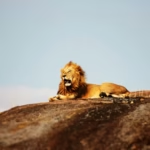
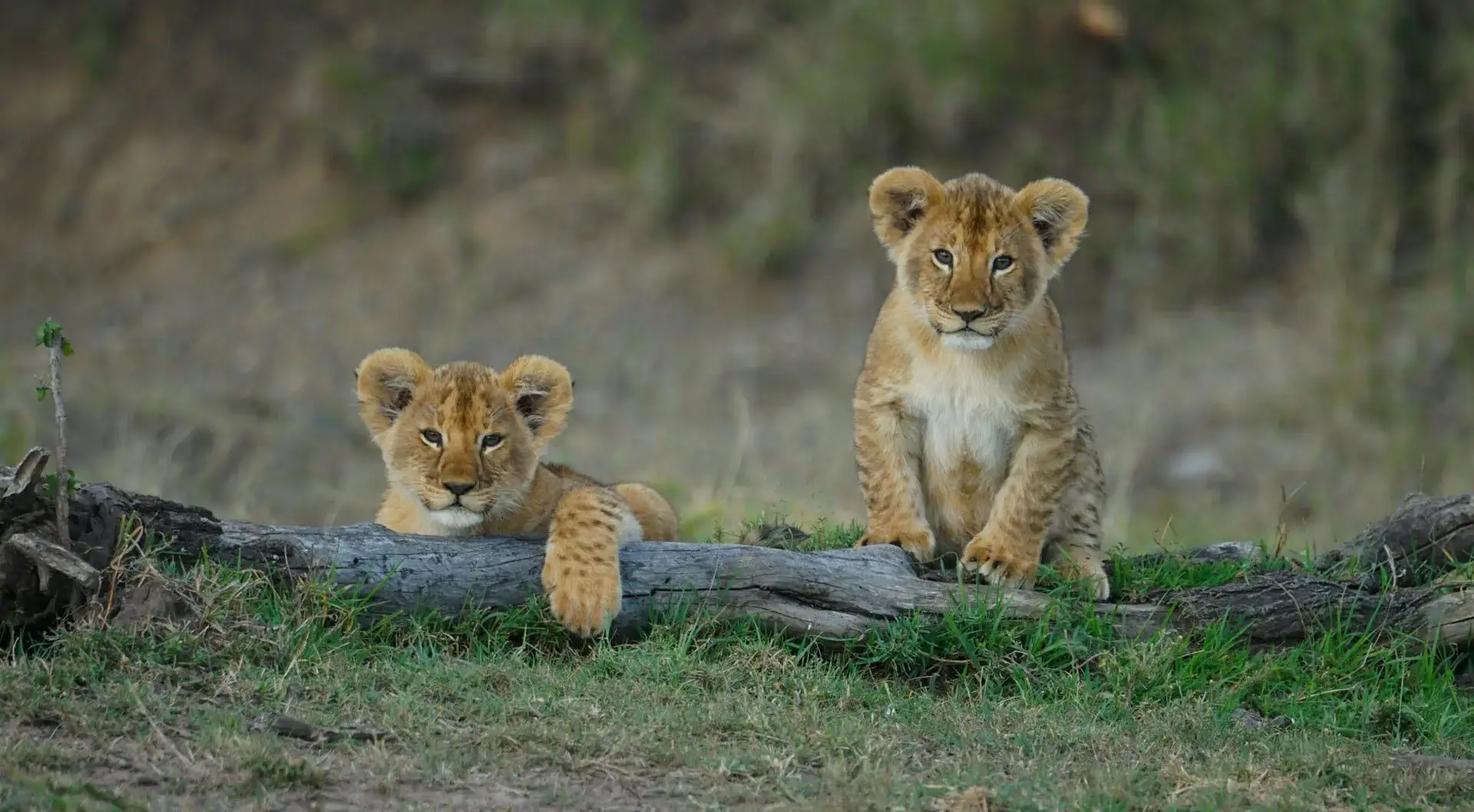
The Serengeti is famous for its incredible array of predators and large carnivores. Lions can be seen resting in shady spots or walking through the many open plains in search of prey. They tend to be more active during cooler parts of the day and early mornings and late afternoons are the best times to see them.
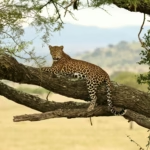
Leopards are also commonly seen in the Serengeti. They tend to be elusive and spend a lot of their time resting in trees or along riverbanks. Good guides will know where to find them and will take you to the best places to spot a leopard.
Cheetahs are mostly associated with the open grasslands of the Serengeti plains. They are fast and powerful predators that use their speed to bring down their prey. The best place to see cheetahs in the Serengeti are the southeastern plains and other similar open habitats. However, game drives are dependent on luck and a good guide will know how to find them.
Spotted hyenas and jackals can also be seen in the open plains and are fantastic opportunities to see these animals in their natural habitat, interacting with other species and avoiding potential predators.
Elephants, Giraffes and Grazing Herds
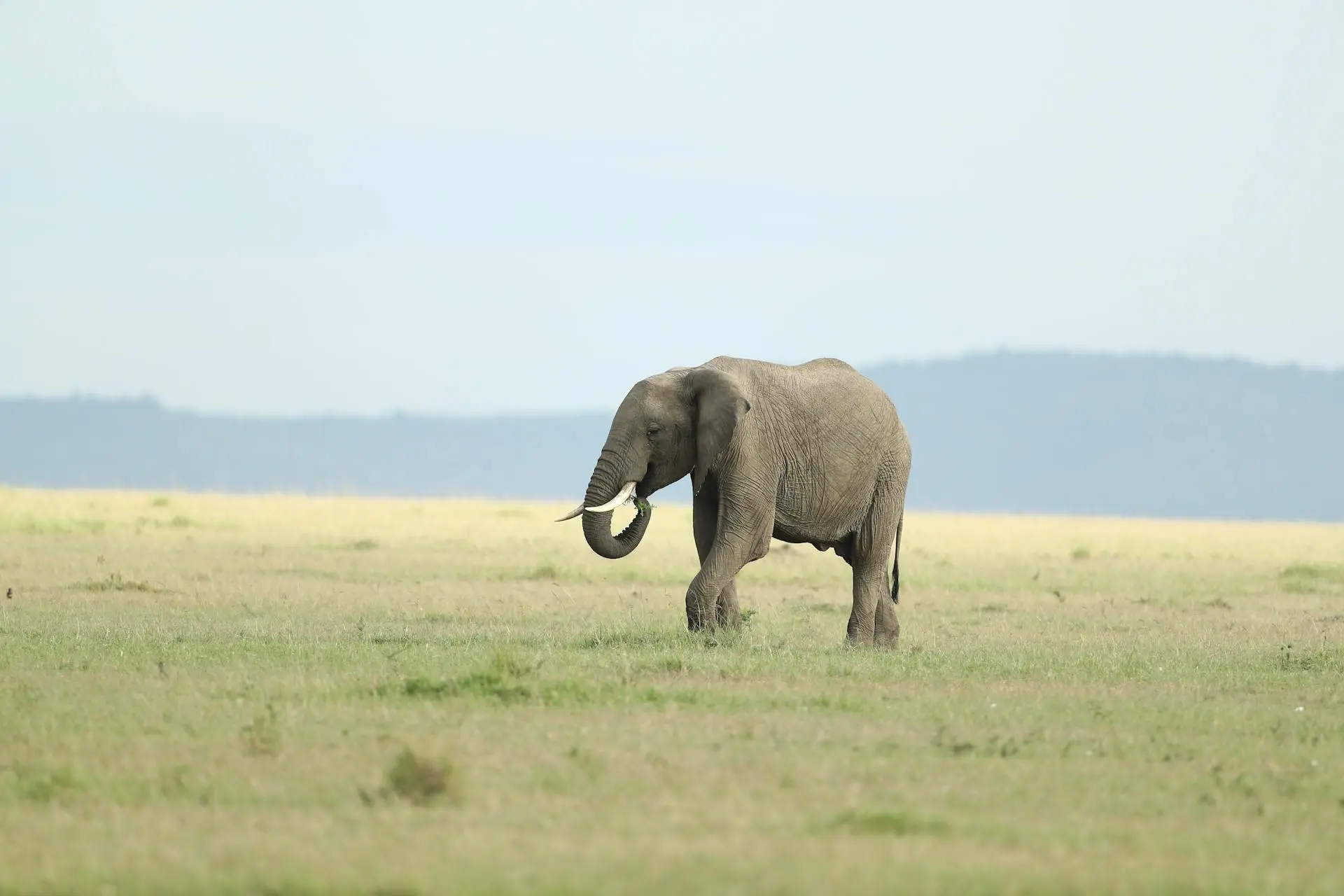
Elephants, giraffes, zebras, buffaloes and a variety of antelope species call the Serengeti home. They tend to gather in herds and be found around permanent water sources or on the many open plains in the park.
Grazing herds tend to be quite large and can easily be spotted during a game drive in September.
Wildebeest and zebras are some of the most fascinating animals to see during the September as they are part of the Great Wildebeest Migration. Herds of these amazing animals can be seen crossing the Mara River in the Northern Serengeti on their way towards Kenya's Maasai Mara. However, this depends on the migration and it is always a good idea to consult with your guide as it is impossible to know where the herds will be.
Birds, Smaller Wildlife and Much More!
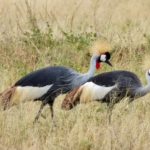
The Serengeti also boasts an incredible variety of bird species. Many different types of birds can be seen during a safari in September, including eagles, vultures, hornbills, and ostriches. They tend to be found around the many open plains and woodlands that can be seen in the Serengeti.
Eagles and vultures can often be seen hovering over the open plains or feeding on animal remains, while the other birds tend to be found around water sources.
Smaller wildlife such as lizards, jackals and insects should also not be missed, as they are an important part of the food chain and interact with bigger animals in the Serengeti.
Which Part Of The Serengeti Should You Visit In September?
Which part of the Serengeti you should visit in September depends on your interests, how long you will be in the park and where the Great Wildebeest Migration is at the time.
The Northern Serengeti
The Northern Serengeti is the prime location to see the Great Wildebeest Migration in September. Large herds of wildebeest and zebras can be seen following the Mara River towards Kenya's Maasai Mara.
The wide-open grasslands, hills, rocky outcrops and riverine vegetation provide a diverse habitat that is home to elephants, lions, giraffes, antelope species and much more.
The Mara River attracts a large number of wildebeest and zebras during the dry season in September as they follow it towards Kenya. However, large herds of wildebeest and zebras can also be seen further into the Northern Serengeti. It is always a good idea to spend a few nights in this area, as it can be difficult to predict where the migration will be.
Even if there is no crossing at the Mara River, a safari in the Northern Serengeti offers fantastic game viewing opportunities on the many open plains.
The Central Serengeti and Seronera
The Central Serengeti is a fantastic place to visit if you would like to see resident wildlife and the many large carnivores that call the Serengeti home.
This area boasts an incredible variety of wildlife and offers some of the best game viewing opportunities in the Serengeti. Elephants, lions, leopards, cheetahs, giraffes and a variety of antelope species can all be seen in this part of the park.
The Central Serengeti has wide-open plains, rocky outcrops and riverine vegetation that provide a diverse habitat for the wildlife in this area.
If this is your first visit to the Serengeti or if you would like to explore more of the national park, you should consider spending a few days in the Central Serengeti. It is a fantastic area for game drives and wildlife spotting. A few days in the central and northern Serengeti are the perfect combination for a safari in September.
The Western Corridor
The Western Corridor has wide-open plains, woodlands and the Grumeti River. It is a fantastic area to explore and offers a different view of the Serengeti.
Although most of the Great Wildebeest Migration has moved north by September, there is still a possibility of seeing them in the Western Corridor. However, it is a good idea to ask your guide for the latest information, as the migration is highly dependent on the weather.
There are still fantastic opportunities to see resident wildlife in the Western Corridor, including elephants, buffaloes, giraffes, predators and much more.
The area also has hippos and crocodiles that can be seen in the riverine area.
The Eastern Serengeti
The wide-open plains, rocky outcrops and kopjes of the Eastern Serengeti provide a unique backdrop for your safari. Cheetahs and other grassland wildlife can also be seen in this area.
Although the Eastern Serengeti is a fantastic place to visit, it depends on your itinerary and if it fits with your interests. It is always a good idea to consult with your guide before including the Eastern Serengeti in your safari plans.
Long drives can also impact your game-viewing opportunities, so it is important to consider how much time you will have in this part of the Serengeti.
Can You See The Great Wildebeest Migration In September?
Yes, September is a fantastic month to see the Great Wildebeest Migration in the Northern Serengeti. Large herds of wildebeest and zebras can be seen following the Mara River towards Kenya's Maasai Mara.
The migration provides an incredible spectacle, but keep in mind that it is difficult to predict where and when the herds will cross the river.
How Can I Increase My Chances of Seeing a River Crossing?
Spending a few nights in the Northern Serengeti is the best way to increase your chances of seeing a river crossing, as it can be difficult to know where the Great Wildebeest Migration will be.
A good guide will also have greater insight into where the herds are likely to cross the river.
It is also important to keep your itinerary flexible in September, as the Great Wildebeest Migration can change dramatically from one day to the next.
Although a river crossing is an incredible experience, a safari in September also offers other fantastic opportunities to see large herds of wildebeest, zebras, elephants, giraffes, predators and much more.
What Can You Experience on a September Safari?
Following the Great Wildebeest Migration
Following the herds of the Great Wildebeest Migration is one of the main attractions of a safari in September. Large numbers of wildebeest and zebras can be seen following the Mara River towards Kenya's Maasai Mara.
This provides incredible opportunities to see the migration and witness this natural phenomenon
Your guide will also be able to share more information about the migration and share fascinating facts about the wildebeest and zebras.
Wildlife Photography
Photography is a fantastic way to capture your safari experience in the Serengeti. September is a great month for wildlife photography as there are excellent opportunities to take pictures of the many different animals in the Serengeti.
The dry season also means clear skies and great photo opportunities when taking pictures of the landscape or animals against the backdrop of the wide-open plains.
Early mornings and late afternoons are also the best time for photography, as the lighting is perfect and there are greater chances of spotting wildlife
Make sure to bring the right camera equipment and spares, as you will definitely want to take pictures of the incredible sunrise or sunset that you experience on your safari.
It is important to protect your camera equipment from the dust, which means bringing along a camera bag and a lens cloth
Drinking water is also essential, especially if you are spending long days on game drives.
Game Drives
Game drives are the best way to explore much of the Serengeti. They provide fantastic opportunities to see a variety of wildlife in this incredible national park.
Morning game drives offer a unique opportunity to see the predators in the Serengeti, as they often return to their resting spots after a night spent in the open plains. Afternoon game drives are also a fantastic way to see elephants, giraffes, predators and other wildlife that can be seen on the wide-open plains of the Serengeti.
A good guide will also show you many interesting things during your game drives, including animal tracks and behaviour.
Accommodation and Planning
September is a busy month for safaris in the Serengeti and it is important to book accommodation in advance. Popular camps and lodges can get very busy, especially in the Northern Serengeti where the Great Wildebeest Migration can be seen.
It is important to keep your accommodation in mind when planning your safari, as the type of camp or lodge that you choose will determine how much game viewing you can experience. Staying in a camp near your area of interest will also reduce the amount of time spent on the road and increase your game-viewing opportunities.
If the Great Wildebeest Migration is your main reason for visiting the Serengeti, you should consider spending a few nights in the Northern Serengeti.
If you also want to see the many large carnivores that call the Serengeti home, you should spend a few days in the Central Serengeti as well.
September or Other Months: Which Safari Season Is Better?
| Weather | Wildlife | Landscape | Crowds & Prices | Great Wildebeest Migration | Best For |
|---|---|---|---|---|---|
| September: Warm days and cool mornings | Excellent game viewing | Thin vegetation | High in migration areas | Great Wildebeest Migration | Game drives and photography |
| Other months: Warmer days, cooler nights | Excellent wildlife viewing | Thick vegetation | Lower in migration areas | Wildlife calving, birdwatching and green landscape | Budget-friendly safaris and fewer crowds |
Explore the Serengeti in September
September is a great month to witness the fascinating Great Wildebeest Migration and enjoy superb wildlife viewing opportunities in the Serengeti. Northern Serengeti is the best place to see the migration, while the Central Serengeti offers fantastic game viewing opportunities to see the many large carnivores in this incredible national park.
Although crossing the Mara River can be an incredible experience, keep in mind that it can be unpredictable. Choosing the right accommodation and spending enough time in the Serengeti can greatly improve your safari experience.