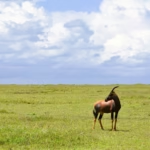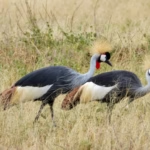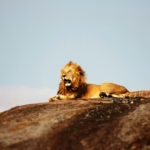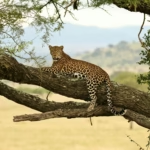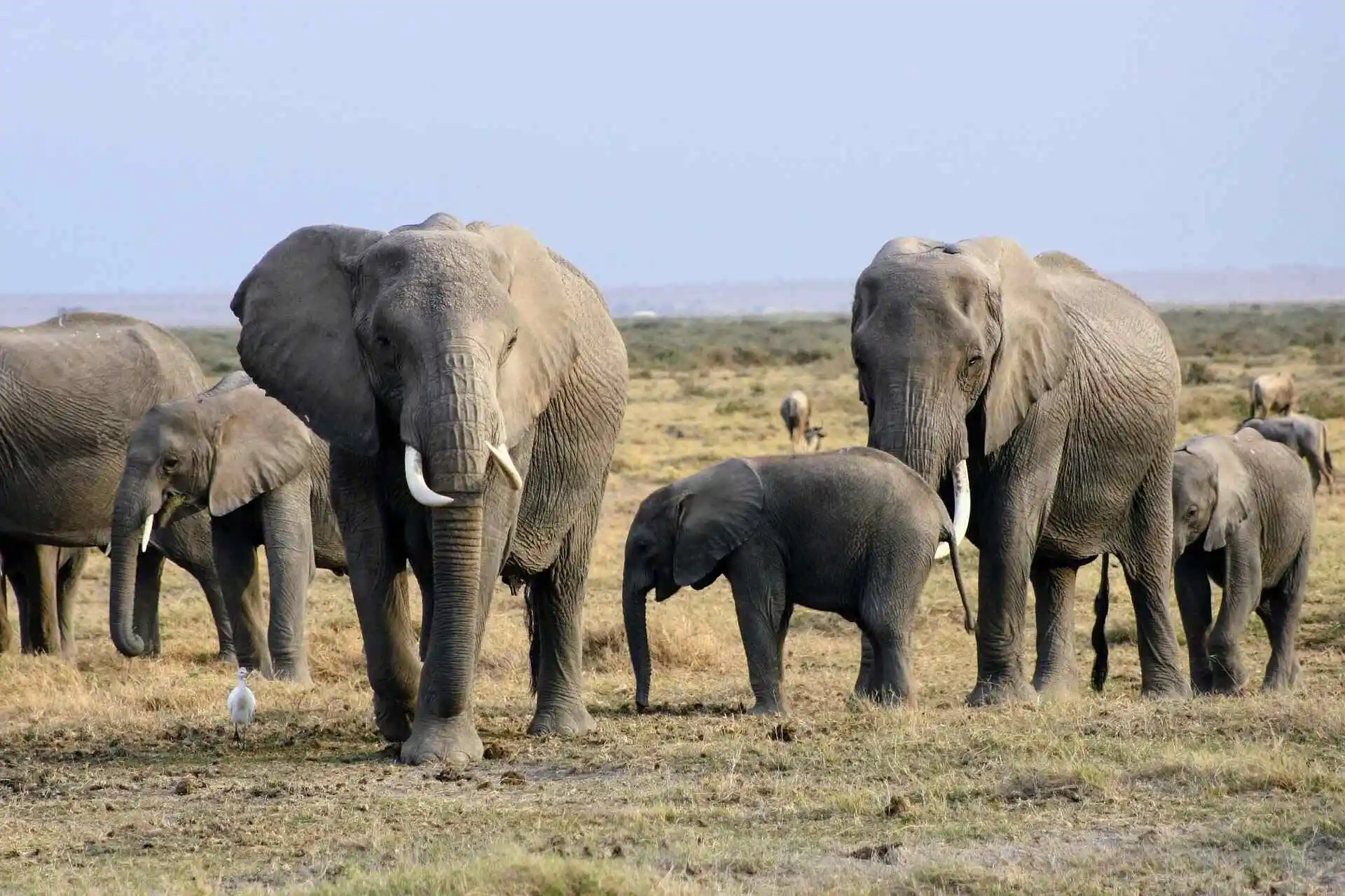
December sees more rain in the Serengeti, leaving the region a lush green. The seasonal watering holes will appear all over the landscape and migratory birds will be making their way to their destination across Africa. The Wildebeest migration also makes its way down towards the southern plains of the region.
A visit to the Serengeti in December is perfect for those in search of a wide variety of animals to photograph and watch. The rain can hamper some game drives, but it brings its own set of wonders to the landscape.
Is December a Good Time to Visit the Serengeti?
December is an excellent time to visit the Serengeti if you have no objections to the occasional shower and the potential for muddy roads. You can expect to see greenery and the resident wildlife animals, migratory birds and a wildebeest migration beginning its passage to the south of the region.
The rain can make roads slushy and the popular Christmas and New Year holidays means that you may find accommodation filling up fast. If you are planning to experience the Serengeti around this time of year, it is advised that you book early.
What Is the Weather Like in December?
You can expect warm temperatures and the occasional shower or thunderstorm in December.
The weather varies across the region and it is not unusual for it to be a clear day after a short rain shower. The rain encourages grass growth and provides seasonal water holes for the grazing animals to congregate around.
You should pack for both sunshine and showers to experience the Serengeti in December.
What to Pack for a Safari in December
Light clothing, a raincoat, walking boots, sun cream and insect repellant will see you through your Serengeti holiday in December. You may also want to bring a light jumper or sweater for chilly mornings on the game drives. Binoculars and a camera will be useful in spotting and framing shots of the animals, along with a lens cloth and waterproof bag for electronics. Quick dry clothing will also prove useful if you encounter a shower.
Wildlife Experiences in the Serengeti in December
December is a wonderful time to witness many of the Serengeti's famed animals. The animals have a habit of congregating depending upon the weather, food sources and migratory patterns.
Lions, Leopards and Cheetahs
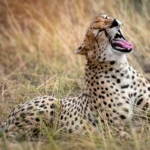
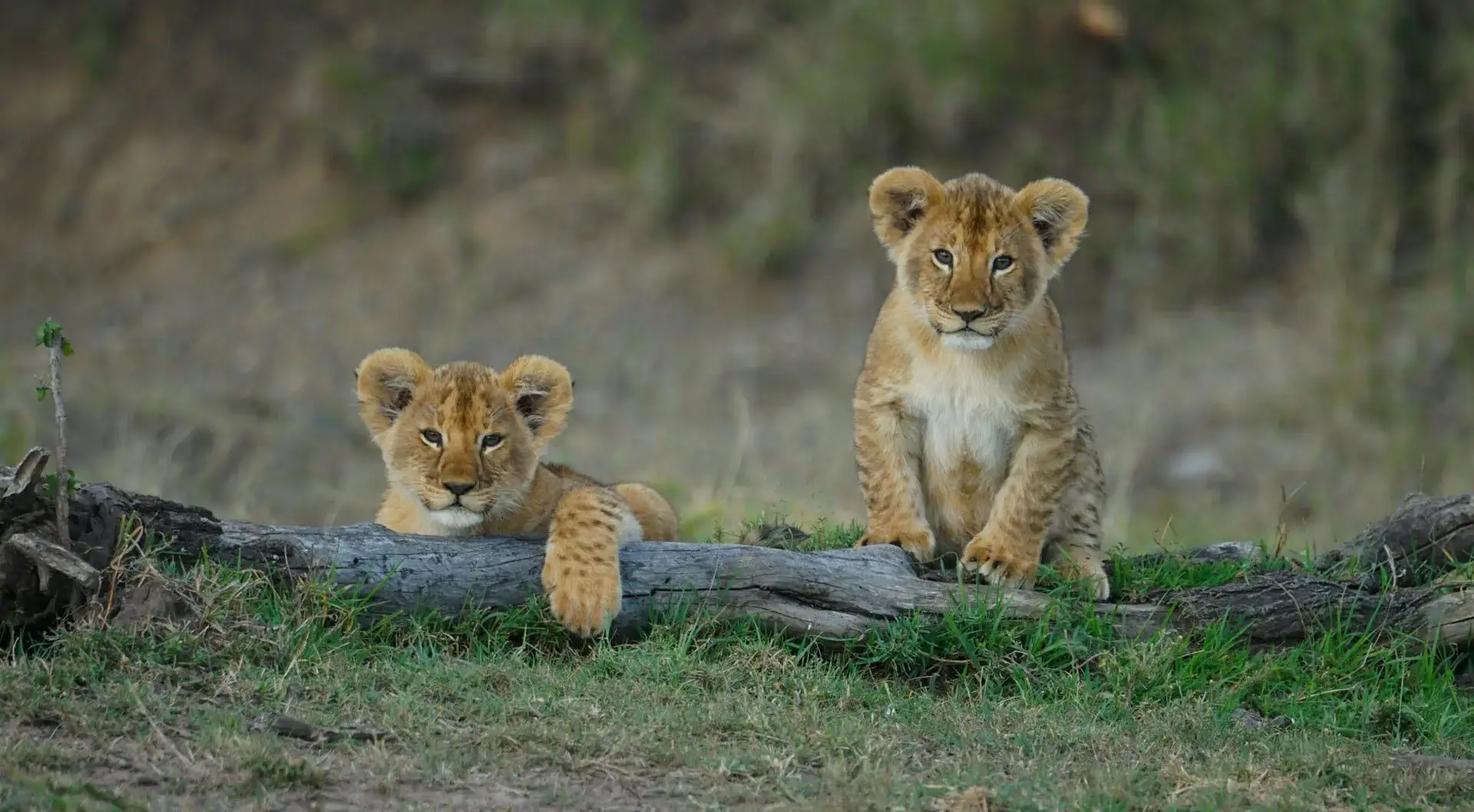
Lions can be found resting in shady spots before they are up and at it again. Leopards are partial to woodland areas for their solitude and cheetahs like the open plains for stalking their prey.
The greenery can mean that some of the animals are harder to spot, but an experienced guide can pick up on animal sign and sounds. The ability to track animals will help to maximise your chances of seeing some of the region's famed big cats.
Elephants, Zebras and Other Herds
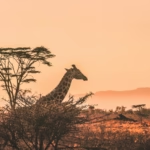
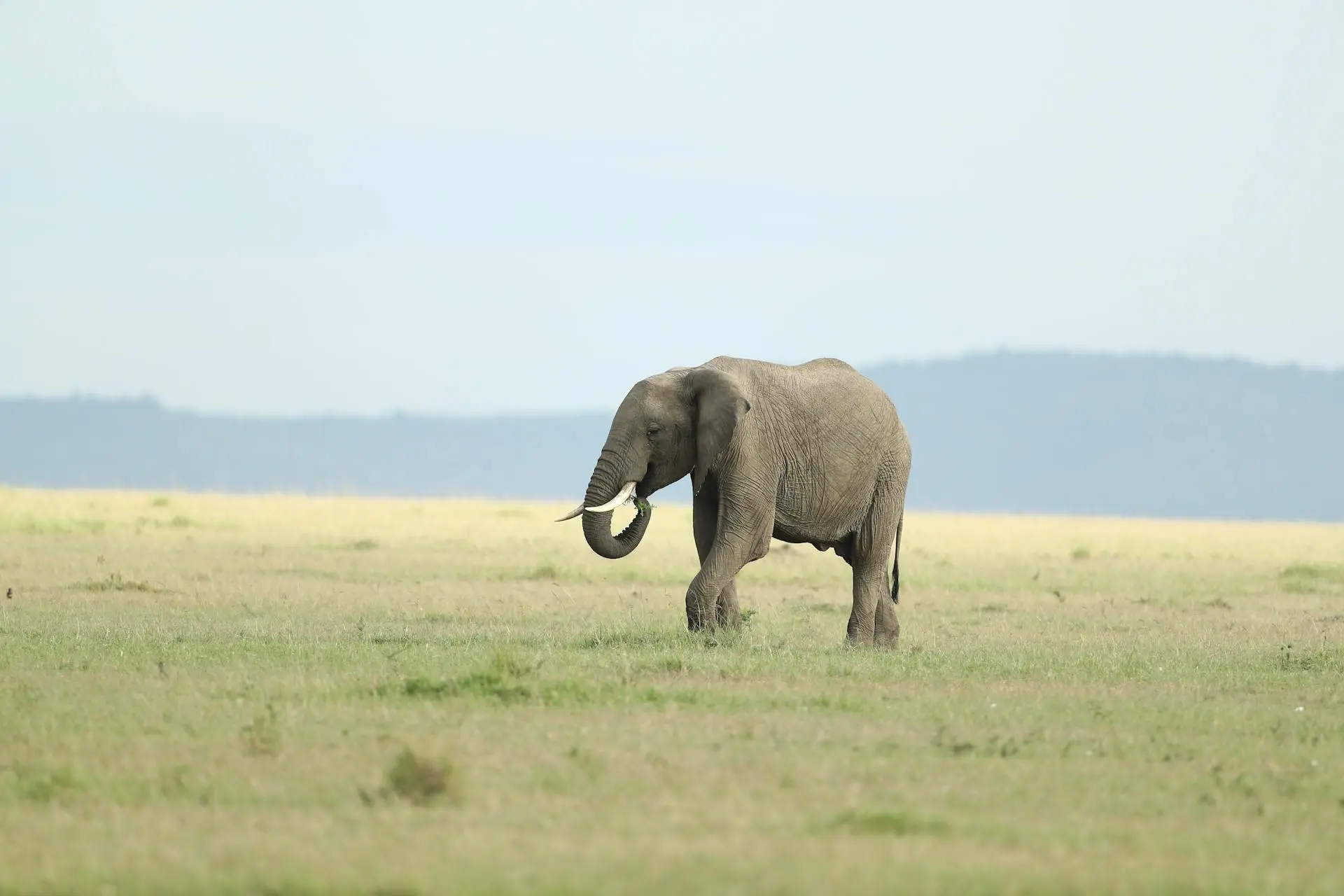
Elephants, Zebras, wildebeest, gazelle, buffalo and giraffes all roam across the Serengeti throughout the year. The short term rain showers encourage grass growth and the grazing animals will begin to congregate in greater numbers. Elephants also move around the region feeding and drinking from the seasonal water sources. Viewing some of the wonderful animal interactions between animals is a must for any animal lover.
Birds and Small Animals
December is a great time to go bird watching in the Serengeti with a mix of resident and migratory birds to spot. Depending on where you are, you could spot storks, bee-eaters, raptors and many other types of birds. You can also spot smaller animals, reptiles and insects adding to the diversity of the region. Spotting some of these creatures will be a great addition to viewing larger animals.
Which Part of the Serengeti Should You Visit?
Your location choice within the Serengeti will depend on your interests at this time of year.
Central Serengeti
The central region and areas around Seronera are favoured for their mix of resident wildlife and varied landscape to interest photographers and nature lovers.
Southern Serengeti
The southern part of the Serengeti and Ndutu area are popular viewing points for the wildebeest herds as they begin to congregate in preparation for the calving season. The fresh growth of grass attracts animals to graze, so this is a great time to view the interesting interactions between different species. Although the herds of wildebeest and zebras are still on the move, you can expect to see some great wildlife spectacles in this part of the region.
Northern Serengeti
The northern region has great vistas and is home to some of the region's most famous animals. However, the herds of migration animals can be further north at this time of year. If you are interested in the great wildebeest migration, it is worth checking on the herds' progress to help plan your holiday.
Can You See the Great Wildebeest Migration in December?
December can be a great month to witness part of the great wildebeest migration. The herds will have begun their slow trek back towards the south of the region to give birth to the next generation of wildebeest. However, this is a time of year when you cannot rely on catching the animals at a specific place because the seasonal rains and grass growth will dictate when they begin their journey.
December is a great time to follow the herds as they make their way back to the southern plains, but not for viewing the famed river crossings of the northern region.
How to Improve Your Chances of Spotting Wildlife
- Ask your tour operator about recent animal sightings in the region
- Book accommodation in your region of choice
- Allow yourself enough time to go on multiple game drives
- Be flexible with your plans
- Follow your guide's lead and keep a respectful distance
Patience is key when viewing animals because they tend to follow their own agenda.
What Can You Expect on a December Safari?
Morning and Afternoon Game Drives
Morning game drives are popular and can be chilly, so you may want to bring a light jumper or sweater. Afternoon drives provide another opportunity to view animals. Your guide may alter the game drive route depending on weather conditions, road accessibility and recent animal sightings.
Wildlife Photography
The green grass, dramatic skies and active animals provide great opportunities for wildlife photography. The conditions after a shower can also produce wonderful animal photographs. Protect your camera from the weather and bring a cloth to clean your lens. Animal photography can be tricky if the animals hide behind foliage, so you may need to be patient while waiting for your shot.
Where to Stay
The central region is recommended for its mix of wildlife and landscape for photography. Accommodation in the south can be popular if you want to follow the wildebeest herds as they begin their journey to the calving grounds. Double check on location availability and seasonal opening times for the accommodation and transport to the camps. December is a popular month for visiting with the festive holidays, so booking early is recommended.
Serengeti in December Compared to Other Months
| Month | Main Safari Highlight |
|---|---|
| January | Green landscapes and gathering herds |
| February | Wildebeest calving and predator activity |
| March | Birdwatching and green scenery |
| April | Long rains and quieter camps |
| May | Changing weather and migration movement |
| June | Drying conditions and western migration |
| July | Dry-season wildlife viewing |
| August | Northern migration herds |
| September | Dry weather and migration activity |
| October | Herds begin moving south |
| November | Short rains and greener plains |
| December | Southern migration herds and green landscapes |
Tips for Planning a Serengeti Safari in December
- Pick your region carefully and check on recent animal sightings
- Allow yourself enough time as it takes several nights to see animals
- Pack for the weather and protect your camera equipment
- Book accommodation early, especially for festive holidays
- Respect the wildlife and follow your guide's instructions