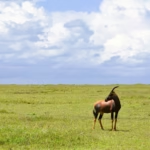
November is characterised by fresh rainfalls and green meadows. Temporary water sources appear, migratory birds arrive and wildebeest start their way to the southern Serengeti. This time of the year is not without its challenges, as the rain can affect the game drives. However, the beauty of the landscape makes it a great month for a Safari.
A Serengeti Safari in November is perfect for those who like birdwatching, taking pictures and observing the changes in the wildlife and landscape. Wildlife spotting is still unpredictable, but with the right planning, you can expect to see a wide variety of animals.
Is November a Good Time to Visit the Serengeti?
November is a great time to visit the Serengeti if you are not bothered by the occasional rain showers. The rainy season in the Serengeti usually starts in November, although it is difficult to predict exactly when it will begin.
You can expect:
- Beautiful green landscape and clouds
- Resident wildlife
- Arrival of migratory species
- Fewer crowds in some areas
- Great opportunity to follow the Wildebeest Migration
The rains mean that some roads may be muddy, and the vegetation will be dense, concealing some animals. A good guide and flexibility will help you to make the most of your time in the Serengeti.
What Is the Weather in November?
During this month, you can expect warm days and chilly evenings. There will also be occasional rainfalls or afternoon thundershowers, but these are unpredictable and vary from one region to another.
The short-term rains nourish the land and create new water sources. These factors, in turn, affect the location of grazing animals, such as wildebeests and zebras.
What to Pack for a Safari in November?
For a Safari in November, you will need comfortable clothes that you can pack easily. Do not forget a waterproof jacket, sturdy shoes, sun cream and insect repellent. You will also need warm clothing for the mornings and evenings when the temperature drops.
Do not forget binoculars and a good camera with a rain cover. Quick-drying clothes are also recommended.
Wildlife Experiences in Serengeti in November
You will have an excellent opportunity to see some of the most iconic animals of the Serengeti. However, depending on the weather, the animals’ location may change.
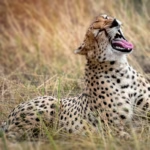
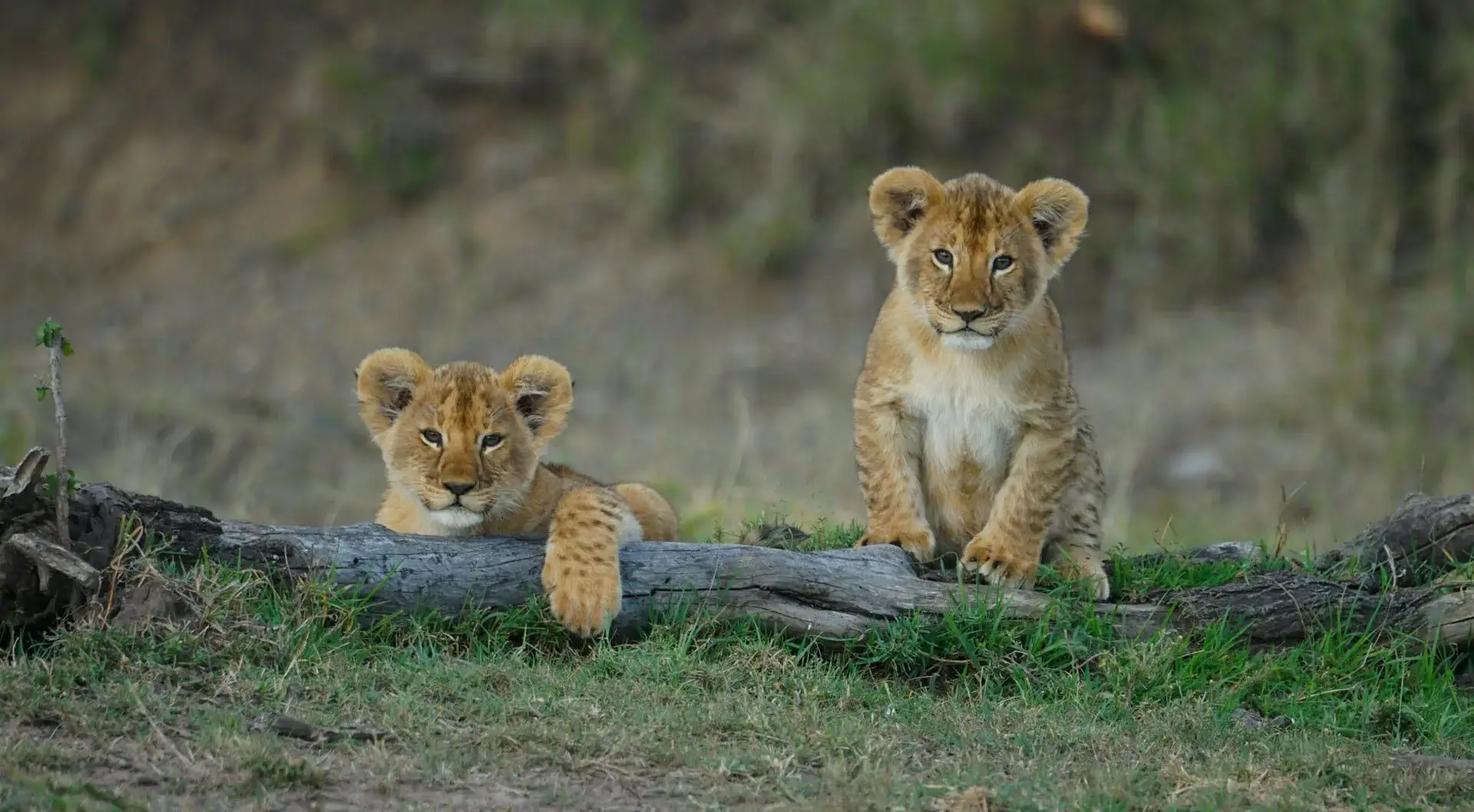
Lions, Leopards and Cheetahs
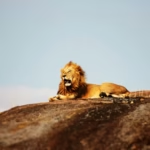
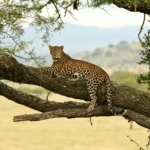
Lions generally relax in shady places before starting to walk around. Leopards are usually found in trees in the woodland and around the rivers. Cheetahs like open spaces, where they can see their prey.
Bushes and grass conceal some animals and require a good guide with tracking and spotting skills to find them. It is worth spending time searching for animals in the Serengeti.
Elephants, Zebras and Other Herds
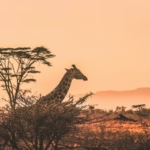
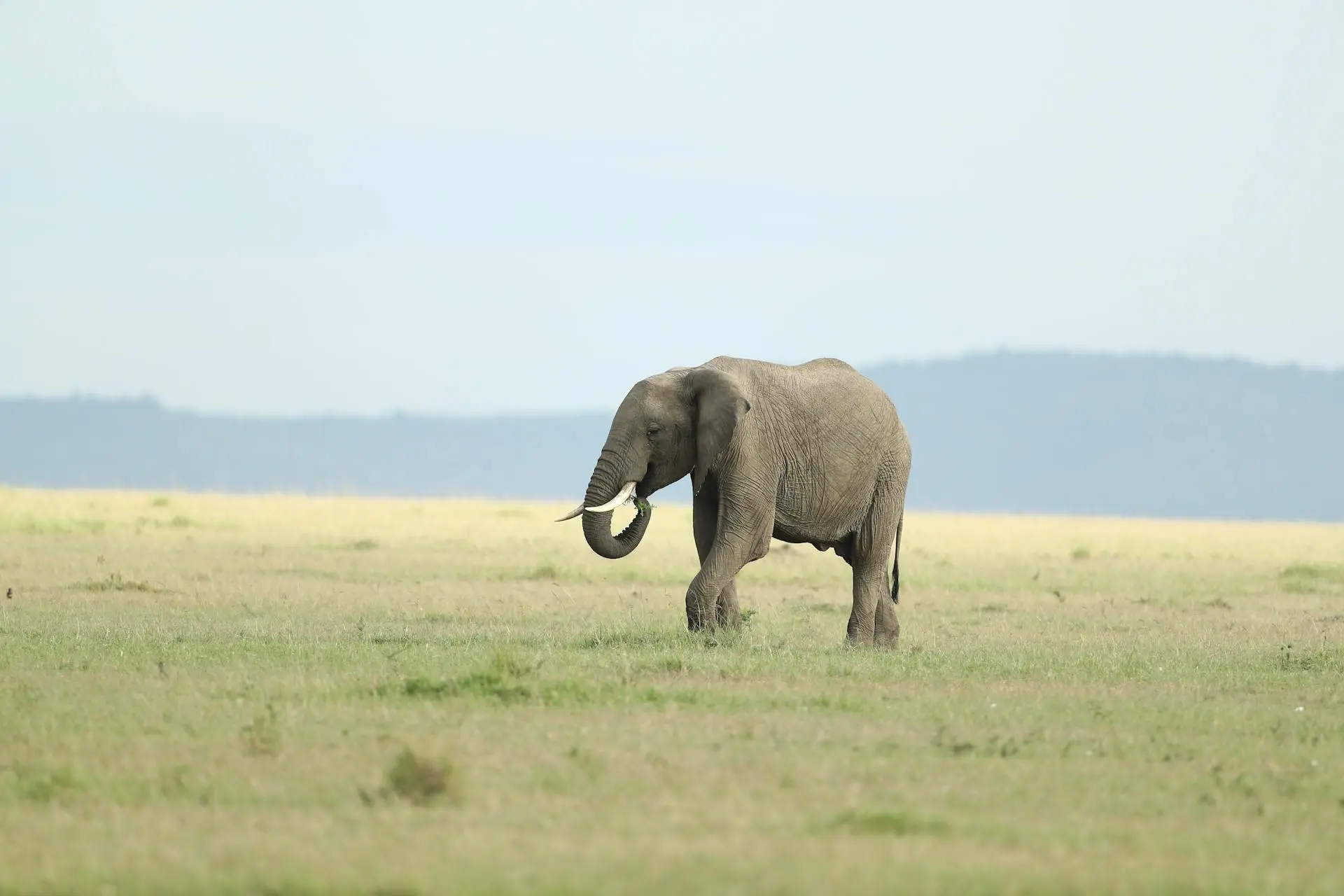
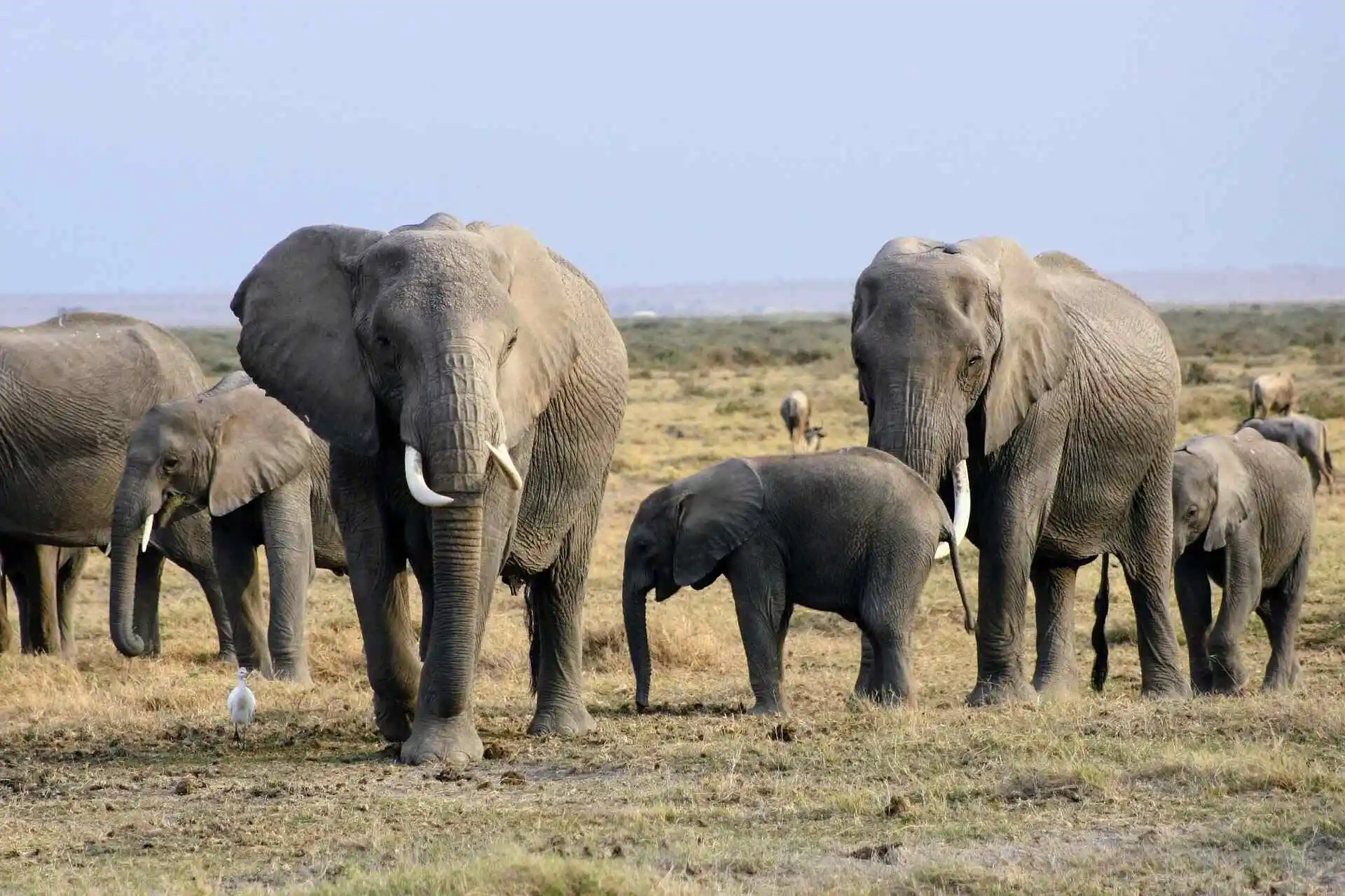
Elephants, zebras, wildebeest, gazelles, buffaloes and giraffes are also excellent choices to watch. Elephants migrate from one place to another in search of food and water. They usually move in family groups.
Zebras stay in the Serengeti all year round, and their herds are usually found in the central and southern parts of the Serengeti.
Grazing animals attract predators, so it is worth keeping an eye on them. It is fascinating to watch how animals interact with each other and their environment.
Birds and Small Animals
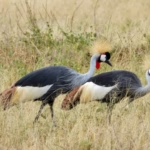
The best time to see migratory species is right at the beginning of their journey. In November, you can see a wide variety of local and migrating birds such as storks, bee-eaters and hawks.
In addition, you can also observe a wide range of small animals, such as rodents and reptiles. They are essential to the Serengeti’s ecosystem.
Which Part of the Serengeti Should You Visit?
The area you decide to explore depends on your interests and what animals you want to see.
Central Serengeti
The area around Serengeti is famous for having a rich ecosystem that supports a wide variety of flora and fauna. This region is a great choice if you want to see the most iconic animals. Since this area has permanent water sources, it attracts wildlife throughout the year.
Eastern and Southern Serengeti
The Eastern part of Serengeti is a great place to see the Wildebeest migration as they start their way to the south. In addition, you can also see other grazing animals, such as zebras and gazelles.
The southern part is where the herds spend their time, and it is a fantastic opportunity to watch the animals interact with each other. The exact location of these animals depends on the weather, so it is worth double-checking before finalising your plans.
Northern Serengeti
The Northern part of Serengeti has amazing landscapes and diverse wildlife. Here, you can also witness the Wildebeest migration, although most animals start their way to the south in November. You should pay extra attention to the current situation in the area if spotting the herds is on your bucket list.
Can I See the Great Wildebeest Migration in November?
Yes, you can see the Great Migration in November. Wildebeests and zebras are already on their way to the south as there is plenty of food there.
Although the seasonal floods in the northern Serengeti can affect the animals’ route, they usually move to the south in search of new pastures. There is no point in trying to see the herds in the northern Serengeti in November.
How to Improve Your Chances of Spotting Wildlife
There are several ways to improve your chances of spotting wildlife in the Serengeti:
- Talk to your tour operator about recent wildlife sightings in the area
- Choose your camps wisely and base them on the animals you want to see
- Allow yourself enough time to see the animals
- Be flexible and change plans depending on the weather
- Listen to your guide and follow their advice
You should remember that there are no guarantees in a Safari tour. What is more, it is always worth observing animals with patience – there is beauty in everything they do.
What Can I Expect on a November Safari?
Morning and Afternoon Game Drives
Morning drives are a great way to observe wildlife in the Serengeti. The animals are tired after the hot afternoon sun, so they like to rest in the shade. A light jacket is recommended as it can get chilly in the mornings, especially if you are in an open vehicle. Afternoon drives are also a good idea as your guide may change the route after the morning drive based on recent animal sightings.
Wildlife Photography
The green grass, fluffy clouds and wild animals make for a fantastic photo opportunity in the Serengeti. However, a wet season means that you cannot expect to take pictures of animals daily. The animals also like to hide in the grass, so it can be challenging to capture good wildlife photos.
Protect your equipment from the weather, and always carry a lens cloth with you. You can also try to be patient and persistent to get excellent shots of the animals.
Where to Stay
Serena and Oliver’s camp are great choices if you want to explore the central part of Serengeti and see diverse wildlife. St Joseph’s camp might be a good choice if you want to see the Wildebeest migration animals on their way to the south.
Some camps can change their location depending on the season, so double-check the availability, price and transportation options before finalising your choice.
Serengeti in November vs Other Months
| Month | Main Safari Highlight |
|---|---|
| January | Green landscape and wildlife |
| February | Wildebeest calving and big cats |
| March | Birdwatching and green season |
| April | Rainy season and fewer crowds |
| May | Changing weather patterns |
| June | Dry season and western migration |
| July | Dry season wildlife viewing |
| August | Northern Migration herds |
| September | Dry season and migration |
| October | Moving herds in the south |
| November | Green landscape and short rains |
| December | Moving herds towards south |
Tips for Planning a Serengeti Safari in November
- Pick a region wisely and talk to your tour operator about recent wildlife developments
- Allow yourself sufficient time for the Safari, as exploring the Serengeti requires several days
- Pack warm clothes and protect your electronics from the weather
- Double-check the availability and price of your camp or hotel
- Always keep a safe distance from wildlife and follow your guide’s instructions