
The Masai People
The Maasai are an important part of the Serengeti region, known for their vibrant culture, traditions, and deep connection with the land. Discover their unique way of life and how to engage respectfully.
The Heart of Serengeti
The Masai People
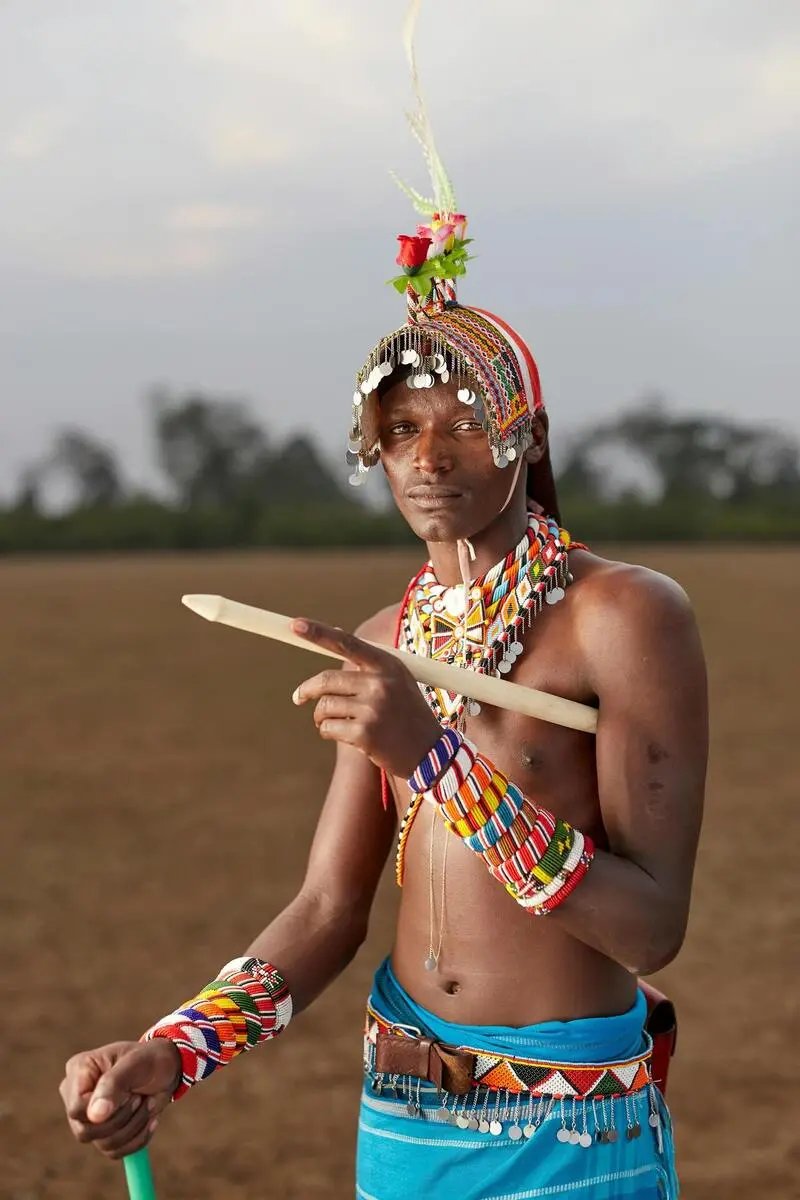
The Maasai are one of East Africa's most distinctive communities, known for their vibrant culture, strong connection to nature, and rich traditions. Residing across parts of northern Tanzania and southern Kenya, including areas surrounding the Serengeti, they have maintained a semi-nomadic pastoral lifestyle for generations. Their lives are closely connected to cattle, which are an important source of food and represent wealth, social standing, and cultural significance. Despite the influence of modernization, many Maasai communities continue to preserve traditional practices, including their distinctive red shúkà clothing and intricate beadwork, which reflect different aspects of their cultural identity.
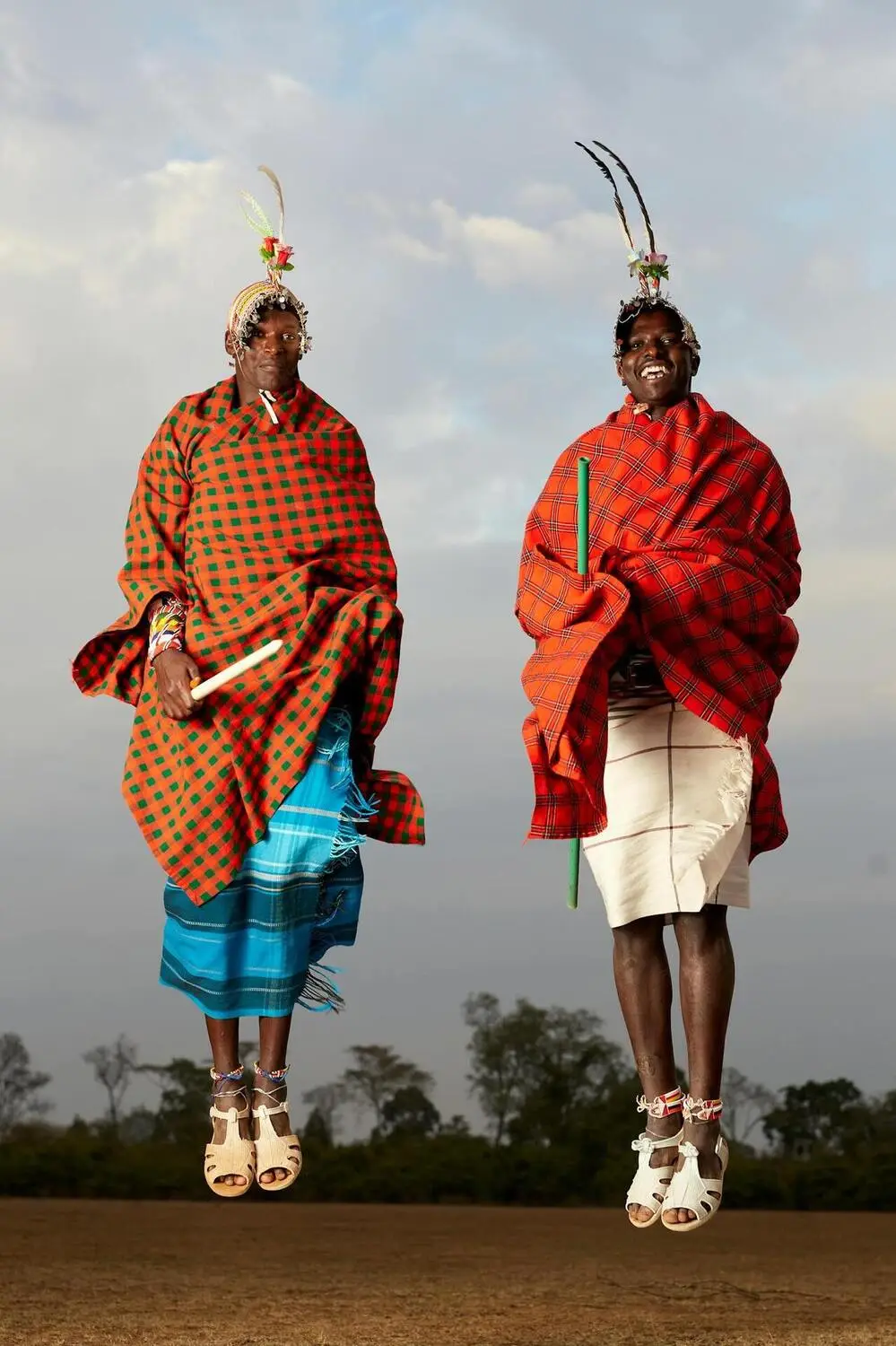
Music, dance, and oral traditions also play an important role in Maasai society, with the famous jumping dance, Adumu, being a celebrated expression of strength and unity. The Maasai have a deep respect for the land and wildlife, and their traditional knowledge remains closely connected to the natural environment. Their communities continue to preserve their cultural heritage while adapting to changing social and economic influences. The Maasai people remain an important part of the cultural landscape surrounding the Serengeti, connecting generations of tradition with the modern world.
Cultural Information
The Maasai are semi-nomadic pastoralists whose lives are deeply intertwined with their cattle, which are not only a source of food but also symbols of wealth, social status, and cultural importance. With a strong connection to nature, the Maasai way of life reflects a careful balance between tradition, community, and survival in the landscapes of northern Tanzania. Their culture has been passed down through generations, helping preserve their distinctive identity despite changing times. Today, Maasai communities continue to follow many traditional customs while adapting to modern influences.
Here are some highlights of their culture:
Dress and Adornments :The Maasai are known for their vibrant shúkàs and intricate beadwork. Colors and patterns used in their clothing and jewelry can carry cultural meanings and reflect identity, age, status, and community traditions.
Music & Dance : Music and dance play a central role in Maasai life. Songs, rhythmic chanting, and movement are used during gatherings and ceremonies and help preserve stories and traditions. The famous “jumping dance” (Adumu) is traditionally associated with Maasai warriors and represents strength, endurance, and cultural pride.
Religion : Traditional Maasai beliefs center on Enkai, also known as Engai, a deity associated with creation, cattle, rain, and the natural world. Today, some Maasai communities combine traditional beliefs with Christianity, reflecting the changing cultural landscape while maintaining important elements of their heritage.
Ceremonies and Rituals :Maasai culture includes age-group ceremonies that mark important stages of life, including transitions into warrior and elder roles. These ceremonies often involve storytelling, singing, dancing, and community gatherings.
Diet : Traditionally, the Maasai diet has relied heavily on cattle products, including milk and meat. Blood has also traditionally been consumed on certain occasions, reflecting the community's long-standing pastoral lifestyle.
The Maasai have adapted to modern changes while maintaining many of their traditional values. They remain a resilient community, working to preserve their cultural heritage while navigating the opportunities and challenges of a changing world.
Responsible Tourism
Visiting Maasai communities offers a meaningful opportunity to learn about one of East Africa's most distinctive cultures. However, it is important to approach these experiences with respect and consideration for local traditions. Maasai communities have developed strong cultural connections to their land and way of life, and visitors should treat their homes, customs, and daily lives with care. Responsible tourism can create meaningful cultural exchanges while supporting local communities and helping preserve traditions for future generations. Here are some essential tips to ensure your visit is respectful, ethical, and meaningful:
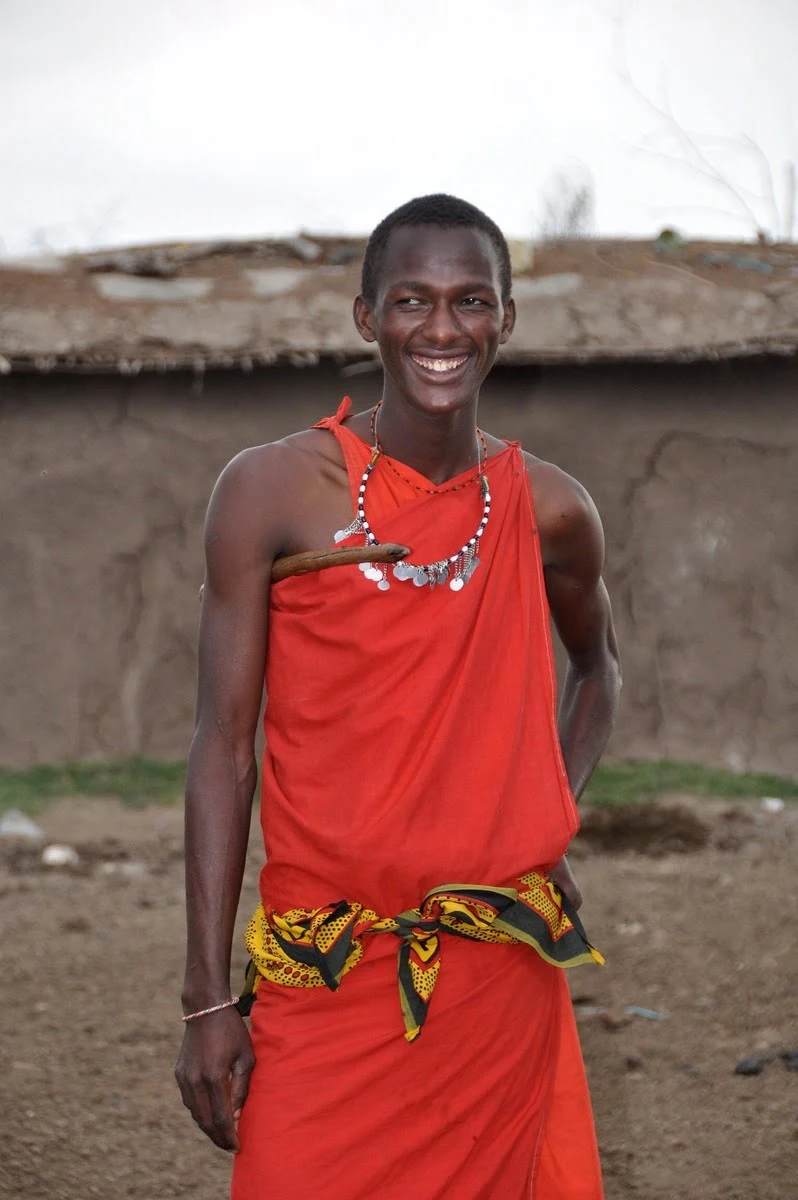
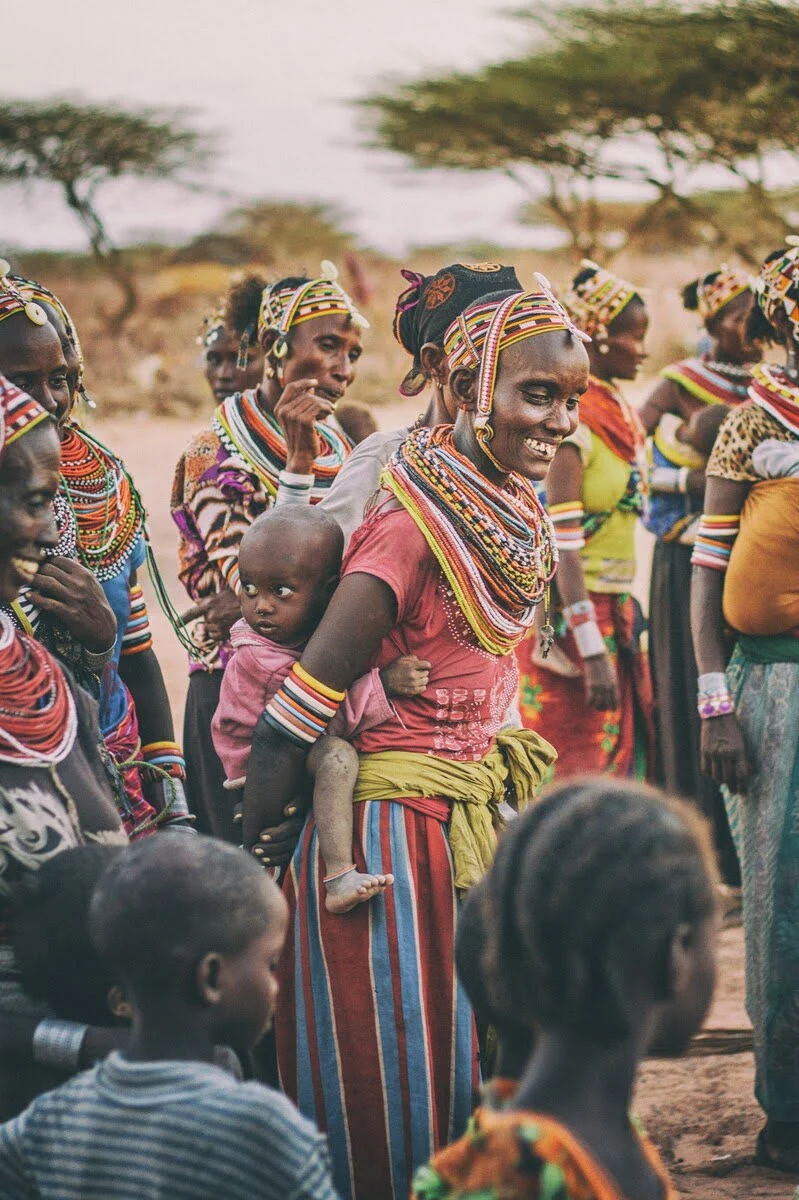
- Ask for Permission : Always seek permission before taking photographs. Respecting personal choice is an important part of a responsible cultural visit.
- Respect Their Privacy : Maasai communities are welcoming, but their villages and daily lives are not performances. Treat their homes and personal spaces with the same respect you would expect from visitors to your own community.
- Support Fair Trade : Purchase handmade crafts, beadwork, jewelry, or other products directly from local artisans where possible. This can provide direct support to community members and help sustain traditional skills.
- Dress Modestly :When visiting Maasai communities, choose clothing that is comfortable and respectful of local customs.
- Listen and Learn : Take the opportunity to learn about Maasai history, traditions, and everyday life. Ask thoughtful questions and allow community members to share their experiences in their own way.
- Use a Local Guide : Choose experiences led by local or Maasai guides where possible. Their knowledge can provide a deeper understanding of the culture while ensuring tourism benefits local communities.
By engaging responsibly, you contribute to meaningful cultural exchange while supporting the preservation of Maasai traditions and building a greater understanding between visitors and local communities.
Safari Activities
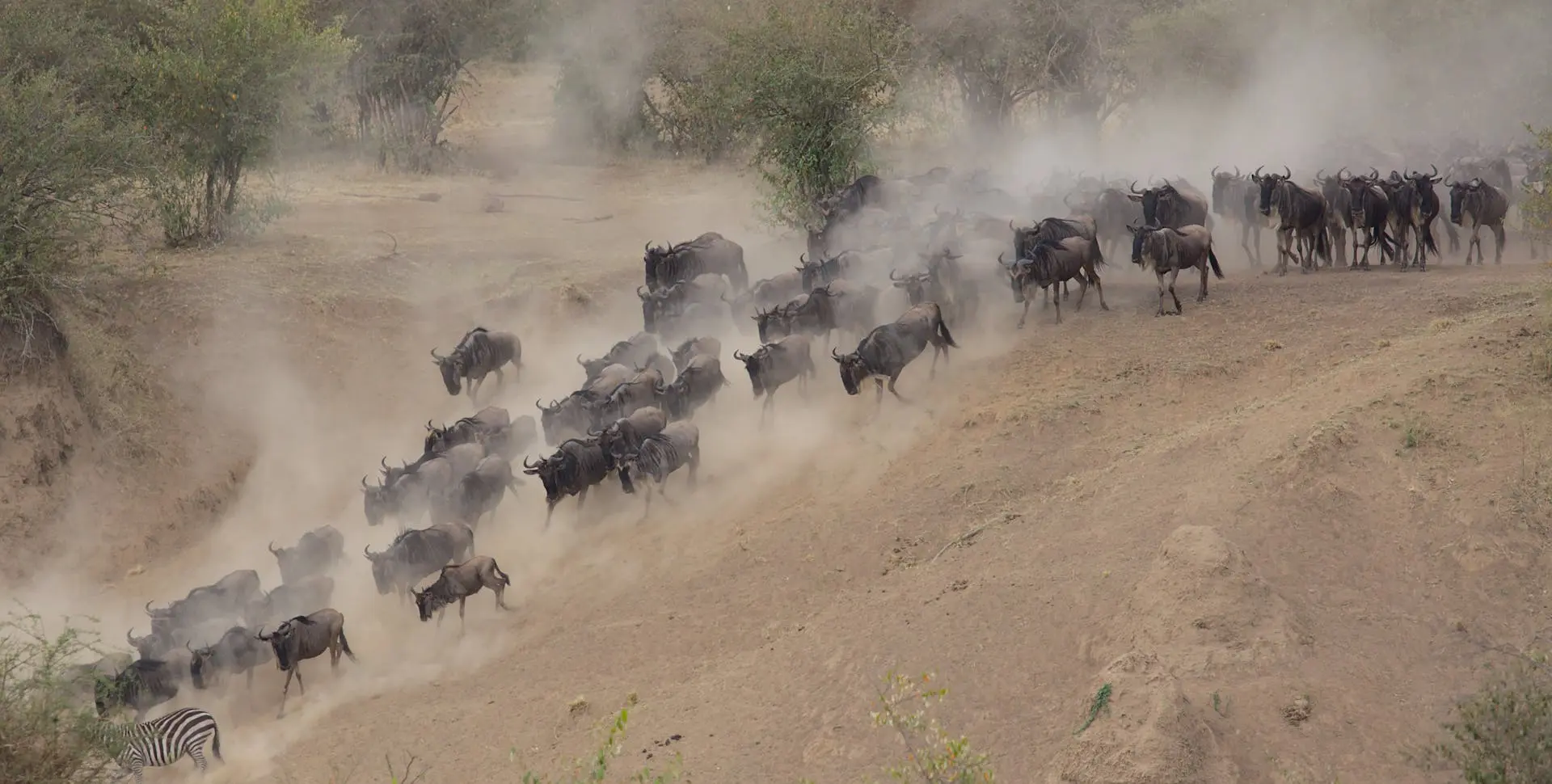
Game Drives
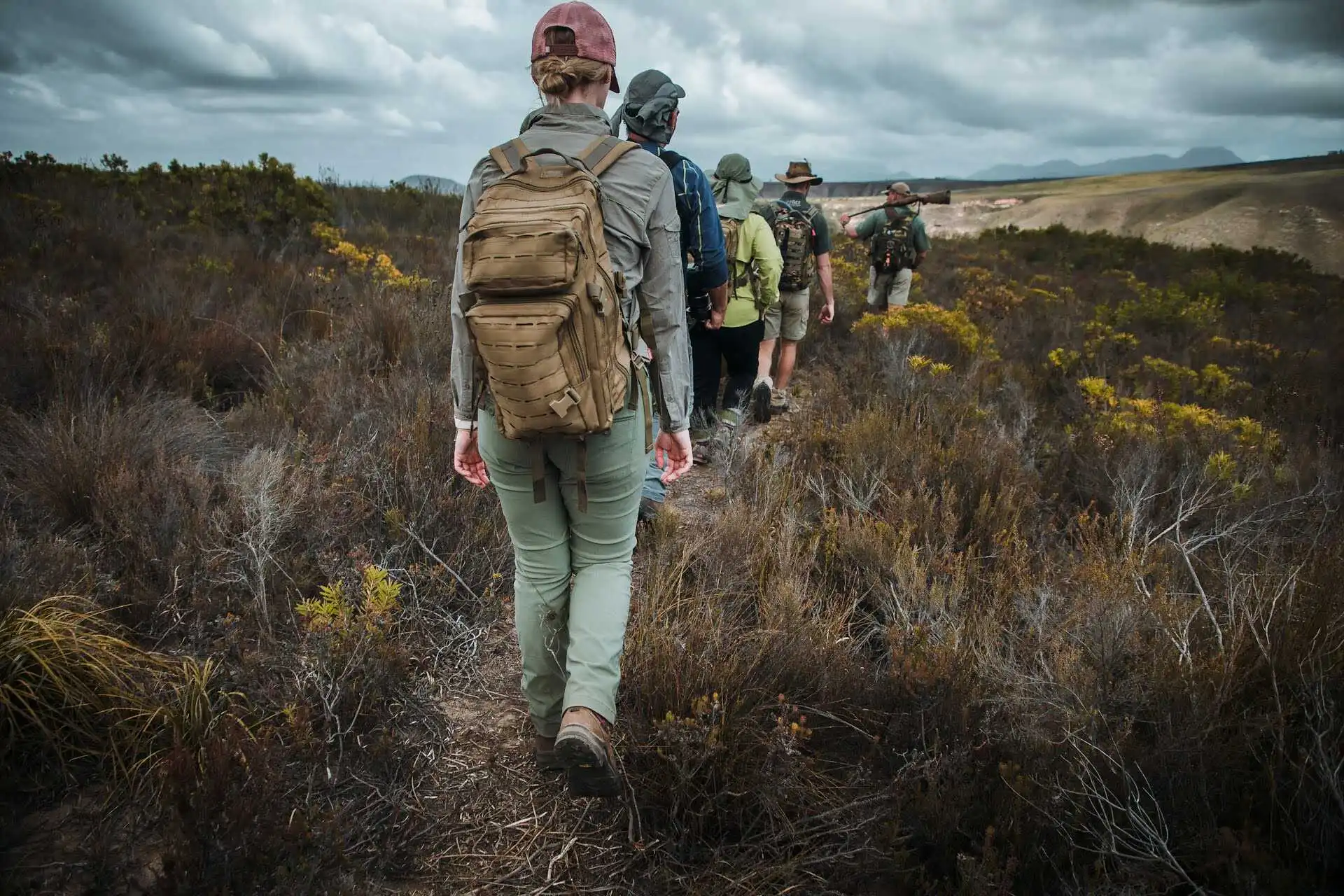
Walking Safaris
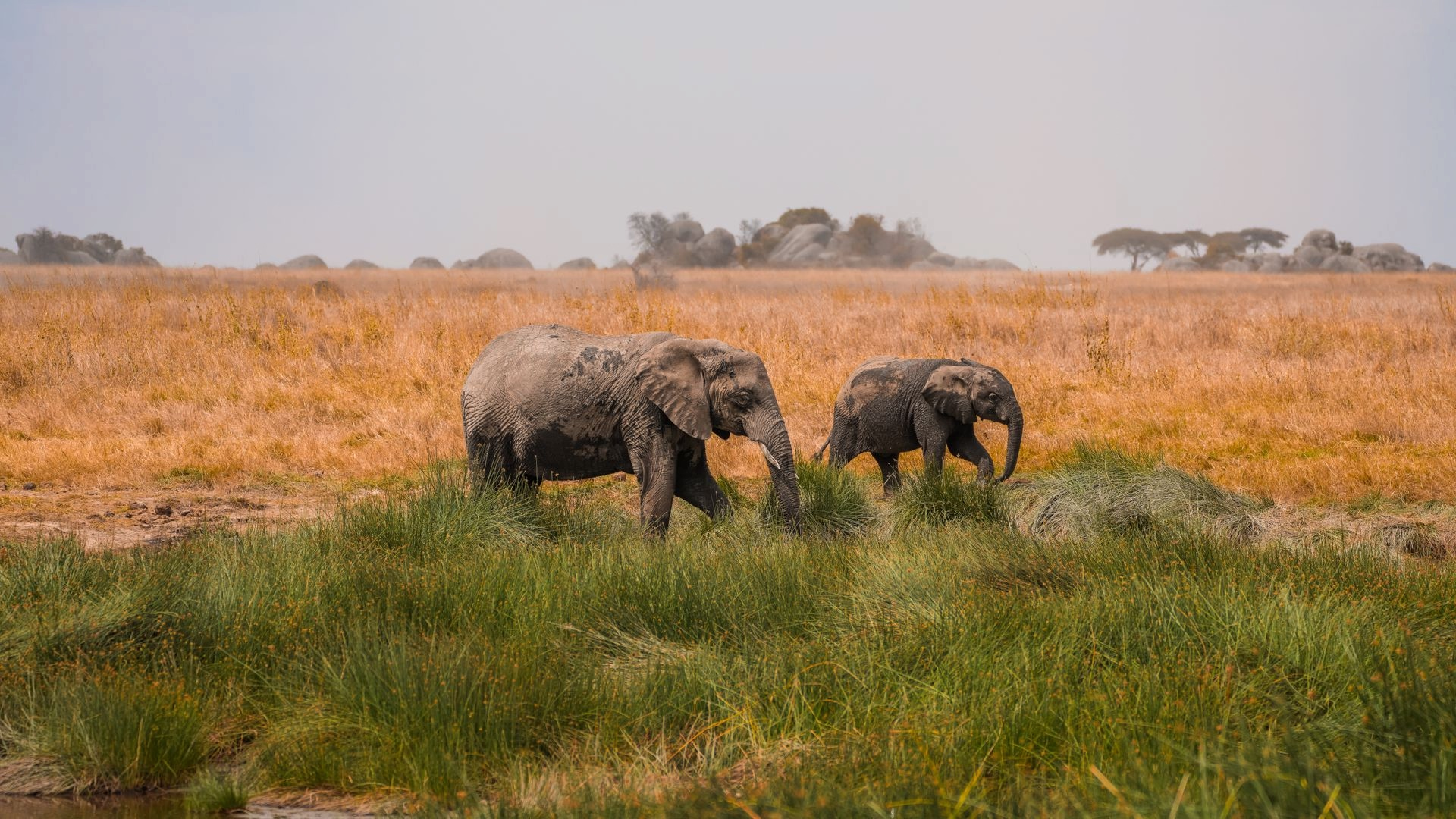
Customized Safaris
Ready to Experience the Maasai Culture?
Immerse yourself in the rich traditions, history, and hospitality of the Maasai people. Experience their culture respectfully and gain a deeper understanding of the communities connected to the Serengeti.
Popular Safari Packages
Discover the best safari experiences the Serengeti has to offer. From thrilling game drives to memorable cultural encounters, our popular safari packages are designed to bring you closer to the wildlife, landscapes, and communities that make Tanzania special. Whether you're seeking adventure, luxury, or a family-friendly getaway, there's a safari for everyone.
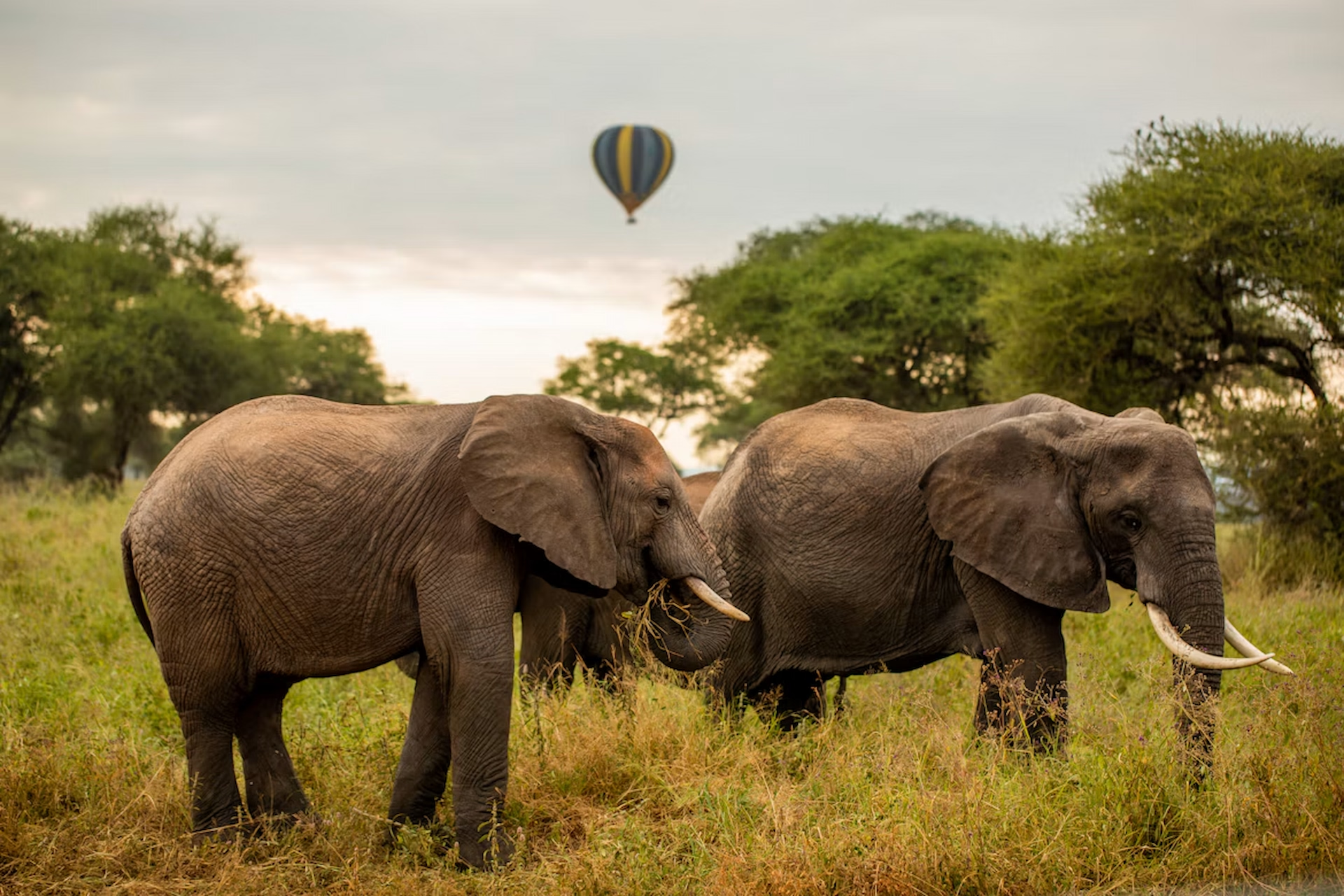
8 Days / 7 Nights
You Visit: Arusha (Start), Tarangire, Ngorongoro, Serengeti, Arusha (End)
Call
View Details
8 Days / 7 Nights
You Visit: Arusha (Start), Tarangire, Lake Manyara, Central Serengeti, Western Serengeti, Arusha (End)
Call
View Details

6 Days / 5 Nights
You Visit: Arusha (Start), Lake Manyara, Serengeti, Ngorongoro, Arusha (End)
Call
View Details