
Health and Safety
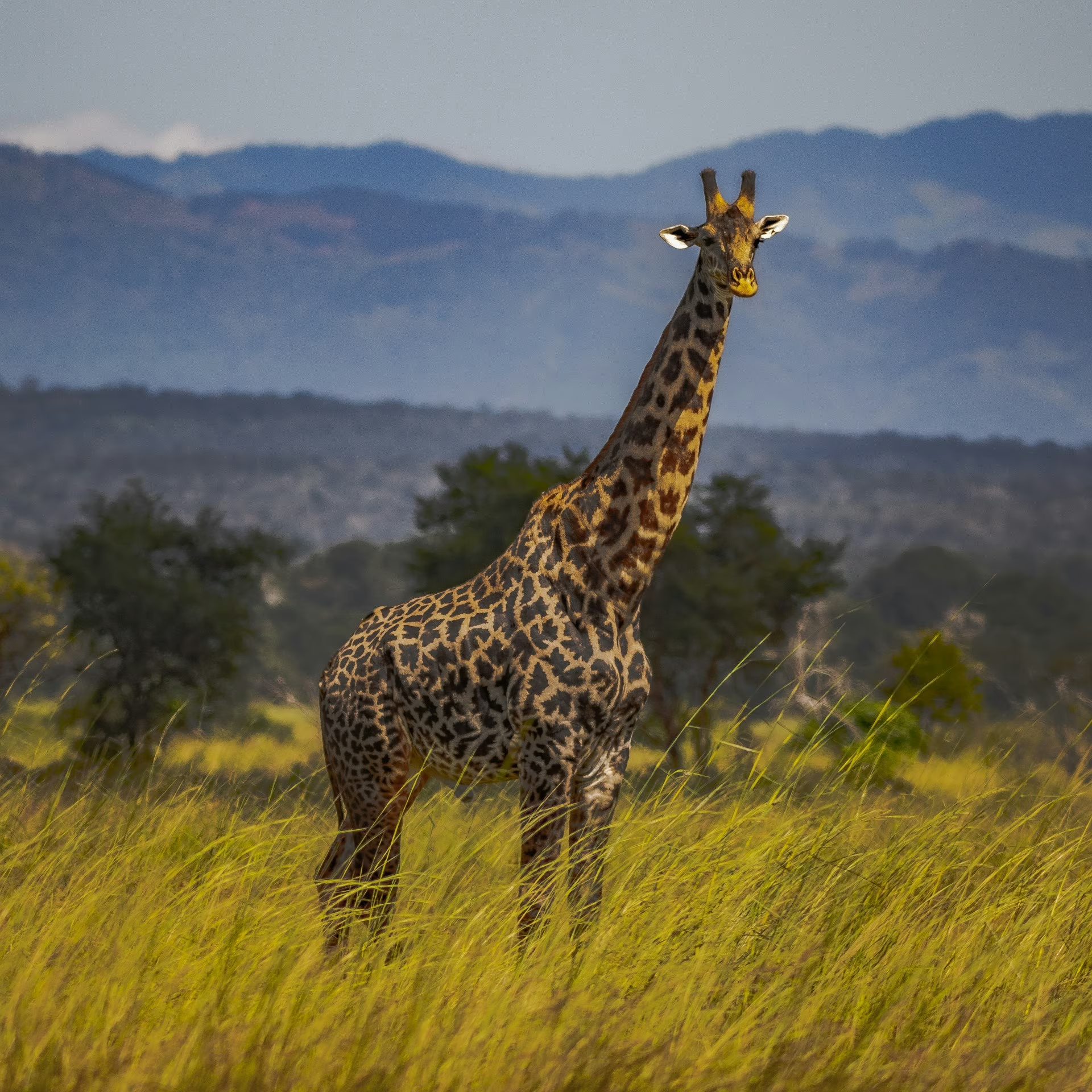
Safety in the Serengeti: Your Secure Safari Destination
The Serengeti is not only one of the most breathtaking wildlife destinations in the world but also a well-managed safari destination. With experienced guides leading every safari, you can enjoy the wonders of the wild while knowing you’re in expert hands. These guides are trained to follow safety procedures that protect both visitors and the incredible animals you’ve come to see.
Additionally, most camps and lodges in the Serengeti are located in secure areas with trained staff available to assist guests. From guided game drives to relaxing evenings at your camp, every part of your safari experience is thoughtfully planned to keep you safe while allowing you to fully enjoy this unforgettable adventure.
Malaria Precautions: Staying Healthy During Your Safari
Tanzania is an incredible destination, and a safari in the Serengeti promises to be an unforgettable adventure. While malaria is present in Tanzania, a few simple precautions can help reduce the risk. By taking proactive steps, you can enjoy your safari with peace of mind and stay prepared throughout your journey.
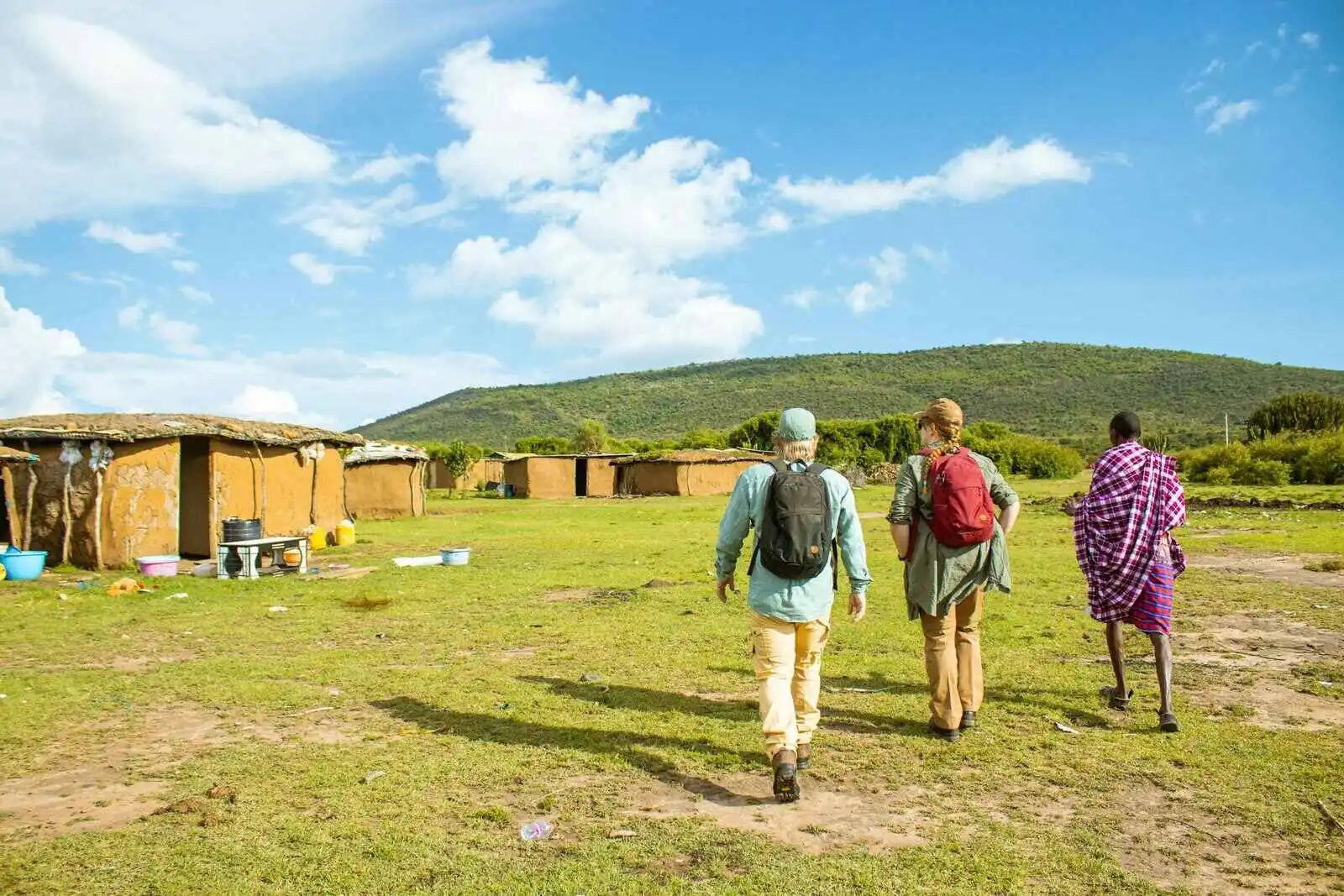
The Serengeti is a stunning destination, and with a few simple precautions, you can enjoy your safari comfortably. Protecting yourself from mosquito bites is especially important during the early morning and evening when mosquitoes are more active.
- Preventative Medication: Speak with your doctor or a travel health professional before your trip to determine whether antimalarial medication is recommended for you.
- Insect Repellent: Pack an effective mosquito repellent containing DEET or another suitable active ingredient for use during your safari.
- Protective Clothing: Light-colored, long-sleeved shirts and trousers can help reduce exposure to mosquito bites while keeping you comfortable.
- Accommodations with Nets: Many safari lodges and camps provide mosquito nets or screened rooms to make your stay comfortable and protected.
- Vaccinations: Check the latest travel health advice for Tanzania and make sure your routine vaccinations are up to date. Yellow fever requirements can depend on your travel history.
By taking these simple precautions, you can focus on the adventure ahead, from exploring the Serengeti plains to watching its remarkable wildlife.
Travel Insurance: Protect Your Safari Adventure
Travel insurance is an important part of preparing for your safari in Tanzania. While the Serengeti is a well-established safari destination, unforeseen events can happen. The right insurance can provide coverage for medical emergencies, trip cancellations, delays, and lost luggage, giving you greater peace of mind throughout your journey.
If you plan to enjoy adventurous activities such as hot air balloon rides or guided walking experiences, check that your policy covers these activities. Having comprehensive travel insurance means you can focus on enjoying your safari while knowing you have protection against unexpected circumstances.
Wildlife Viewing: A Safe and Thrilling Experience
Wildlife viewing in the Serengeti is an exciting experience. As long as you follow the guidance of your experienced safari guide, you can enjoy remarkable wildlife encounters while maintaining a safe distance from the animals.
Safari guides understand animal behavior and local conditions and take great care to keep guests safe while allowing them to experience the wilderness responsibly.
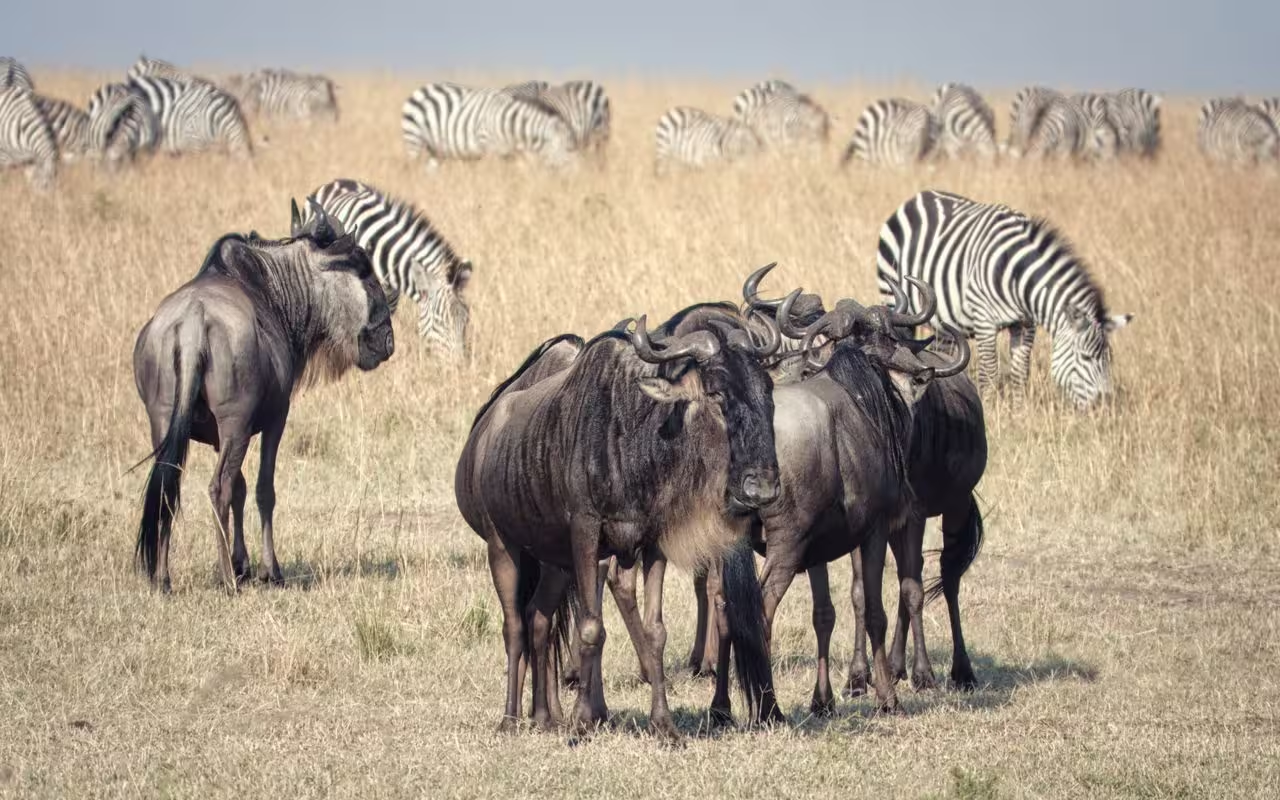
To make sure you have a safe and enjoyable experience, here are a few simple precautions to follow:
- Stay Inside the Vehicle: Always remain inside your safari vehicle unless your guide has specifically instructed you otherwise. This is the safest way to observe wildlife in the park.
- Listen to Your Guide:Your guide understands animal behavior and knows how to respond to different situations. Always follow their instructions and remain calm.
- Respect the Animals:Never attempt to approach, touch, or feed wildlife. Keeping a respectful distance protects both you and the animals.
- Keep Noise to a Minimum:Loud sounds can disturb wildlife and may cause animals to change their natural behavior. Enjoy the experience quietly.
- Avoid Sudden Movements:Quick movements can attract attention or startle animals. Stay calm and observe from a safe distance.
By keeping these precautions in mind, you’ll enjoy a safe and unforgettable wildlife viewing experience in the Serengeti!
Start Your Serengeti Adventure Today!
Get expert tips for spotting wildlife and making the most of your safari experience. Learn how to observe animals safely, understand their behavior, and enjoy every moment in the Serengeti.
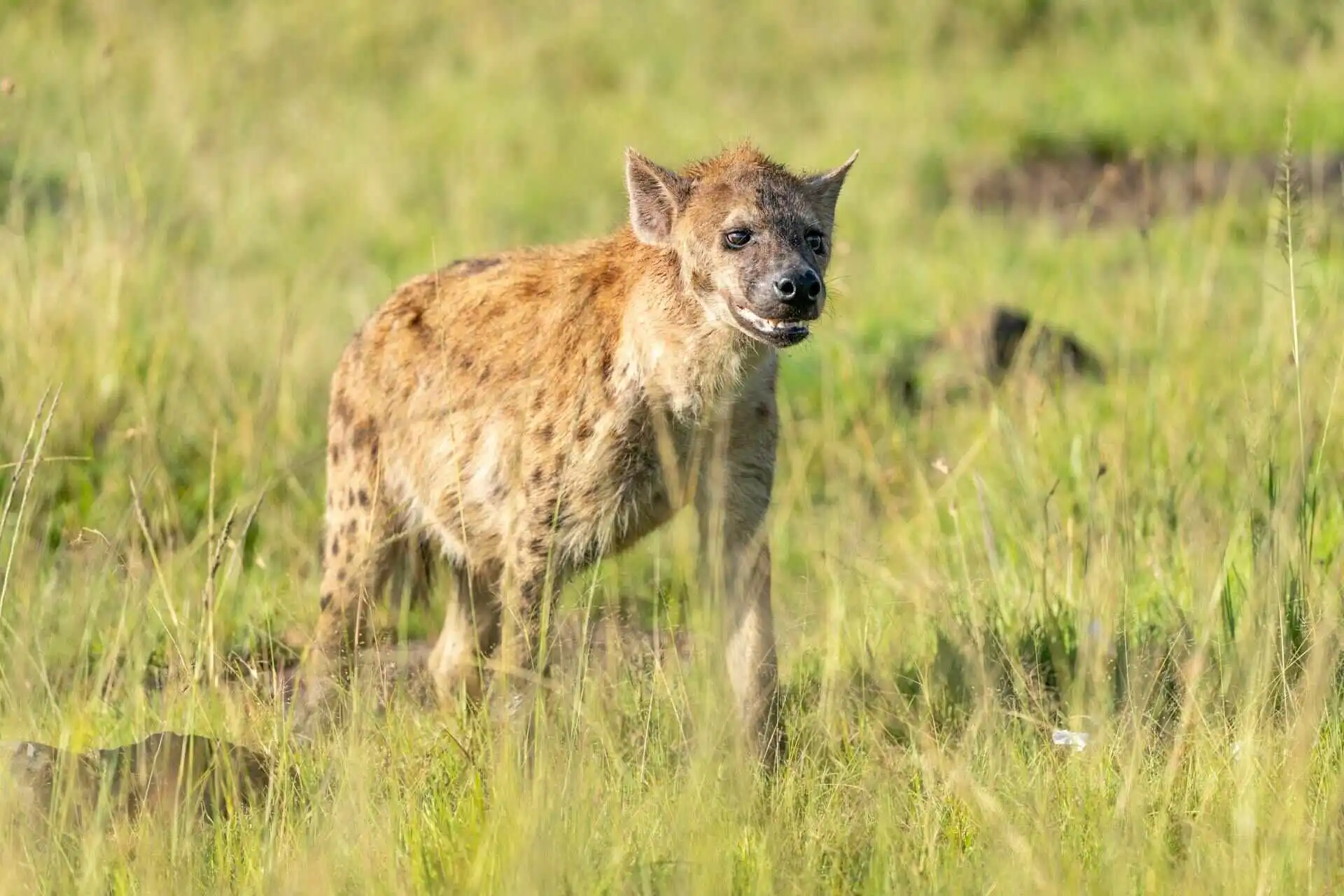
Altitude Sickness
Some parts of northern Tanzania, particularly areas around Arusha and Mount Kilimanjaro, are located at higher altitudes. While most areas of the Serengeti are not considered high-altitude destinations, it is worth being prepared if your itinerary includes elevated areas before or after your safari.
- Recognizing Symptoms: Symptoms can include headaches, fatigue, dizziness, and shortness of breath. These may occur when the body has not yet adjusted to higher elevations.
- Stay Hydrated: Drink plenty of water to help your body adjust when travelling to higher-altitude areas.
- Pace Yourself: Avoid strenuous activities immediately after arriving at high altitudes and give your body time to adapt.
- Medication: If you are concerned about altitude sickness, speak with your doctor before travelling about whether preventative medication is appropriate.
FAQs about Health & Safety in Serengeti
Is it safe to go on a safari in the Serengeti?
Yes. Experienced guides follow wildlife safety procedures, and visitors should follow their instructions throughout the safari.
Is malaria a risk in the Serengeti?
Yes. Malaria occurs in Tanzania. Use mosquito repellent, wear protective clothing and consult a healthcare professional about preventive medication.
Do I need travel insurance for a Serengeti safari?
Travel insurance is strongly recommended to cover medical emergencies, trip cancellations, delays and activities included in your safari.
How can I stay safe around wildlife?
Stay inside your safari vehicle unless instructed otherwise, keep a safe distance from animals and never approach or feed wildlife.
What vaccinations are needed for Tanzania?
Recommendations depend on your health and travel plans. Check current vaccination advice with a healthcare professional before travelling to Tanzania.