
About Serengeti
Land of Wonders
Introduction to Serengeti
The Serengeti in northern Tanzania is one of the most famous wildlife destinations in Africa. Known for its vast golden savannahs and rich biodiversity, it stretches across approximately 14,750 square kilometers and is home to some of the most iconic wildlife on the continent.
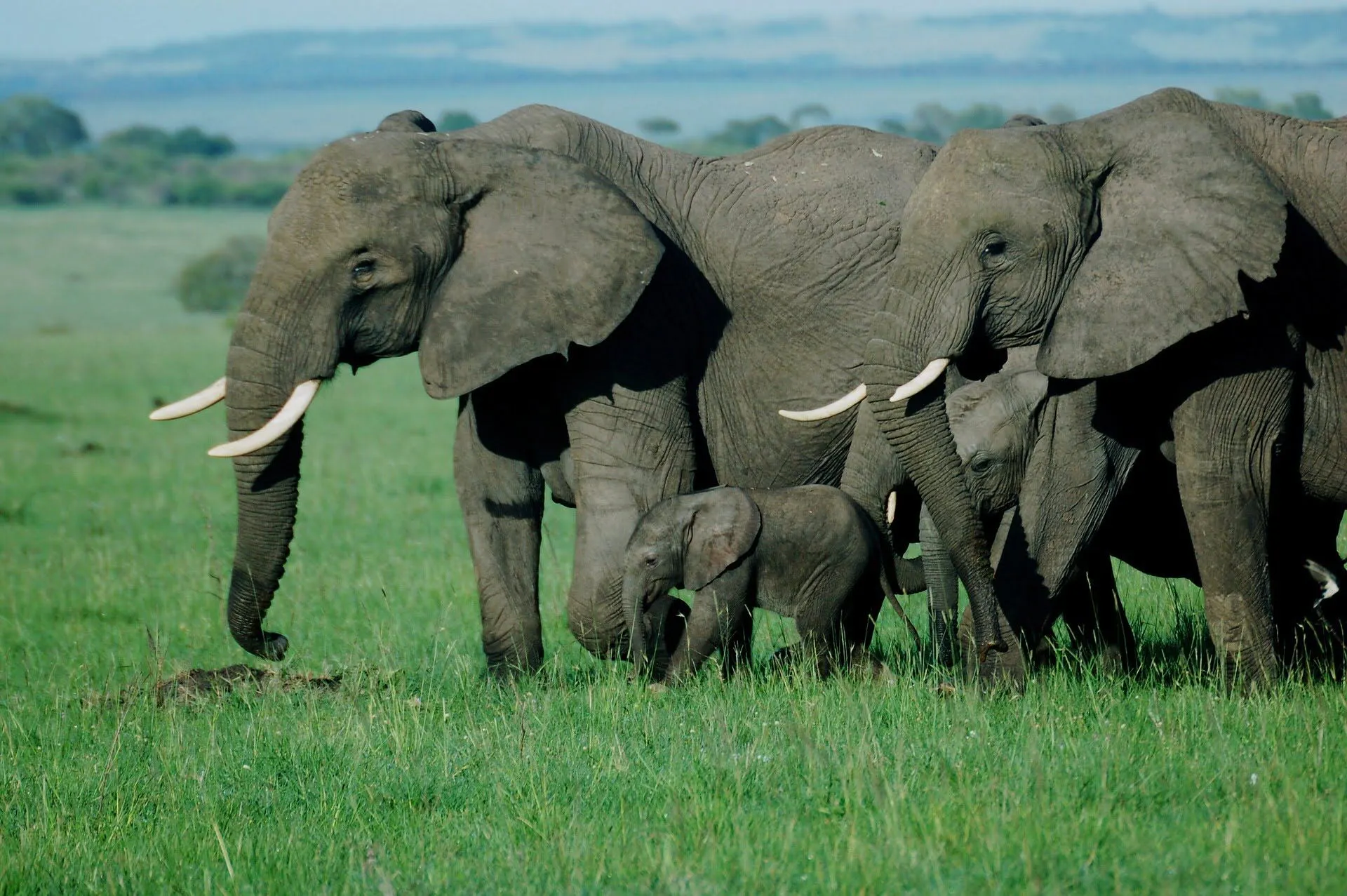
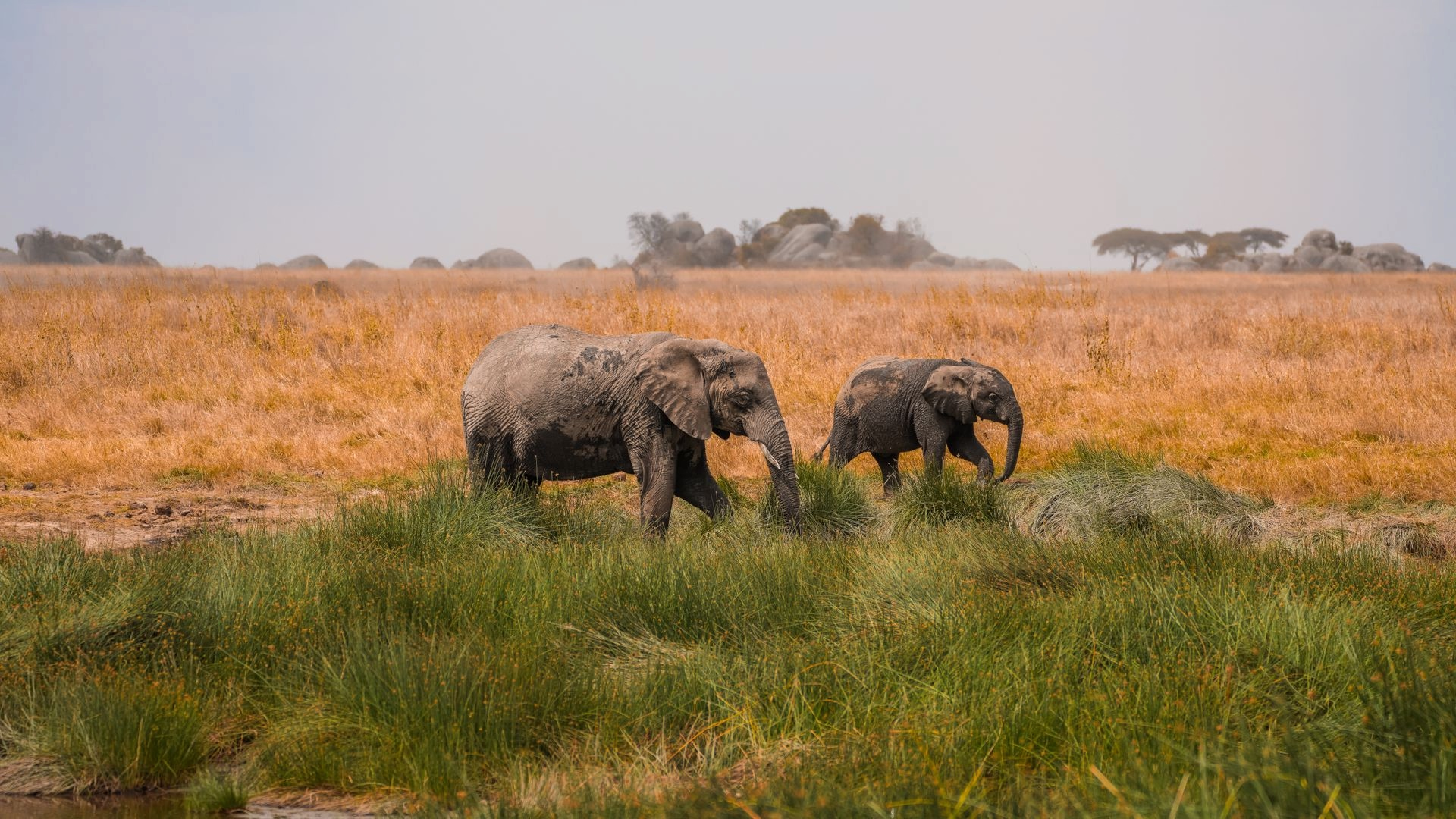
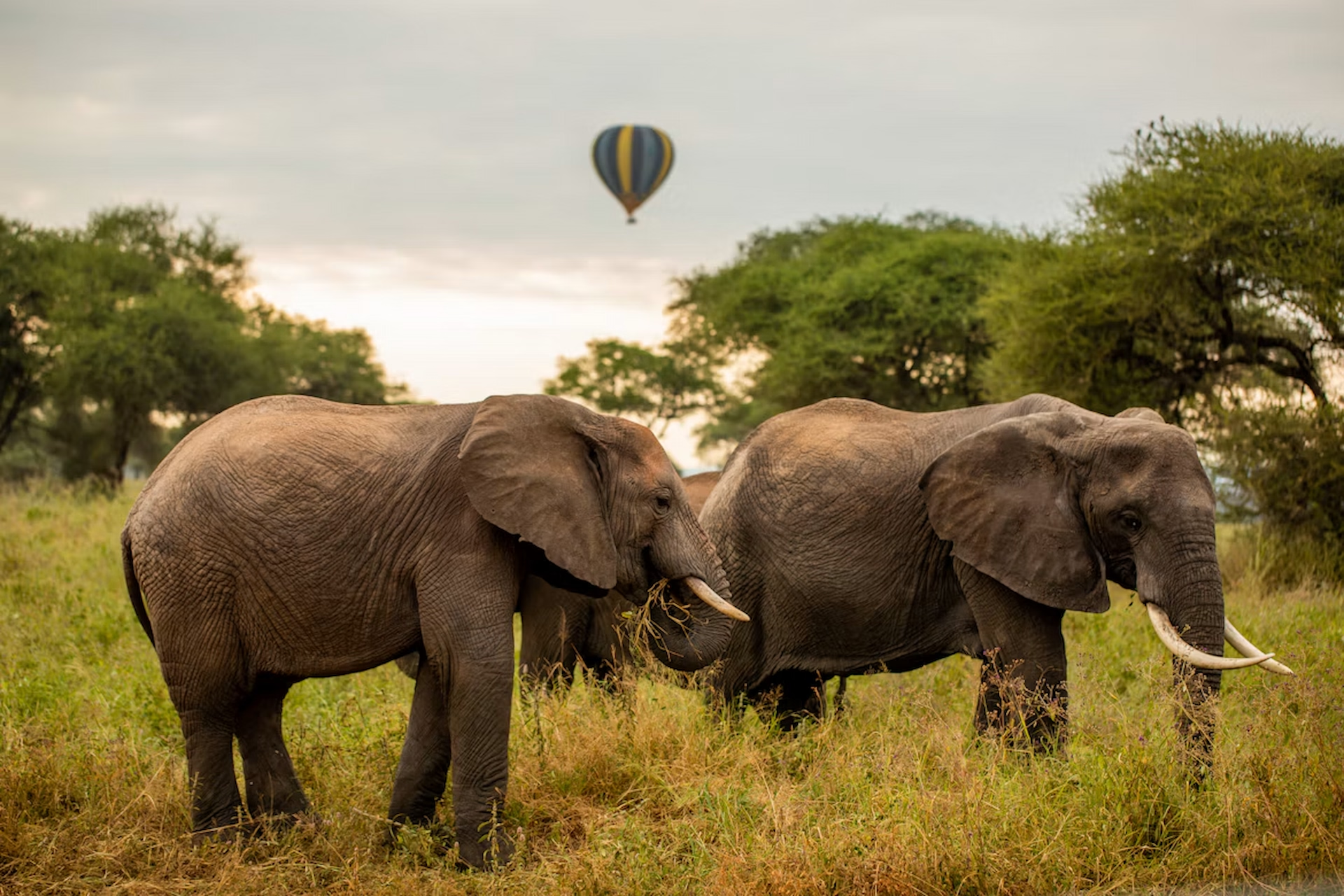
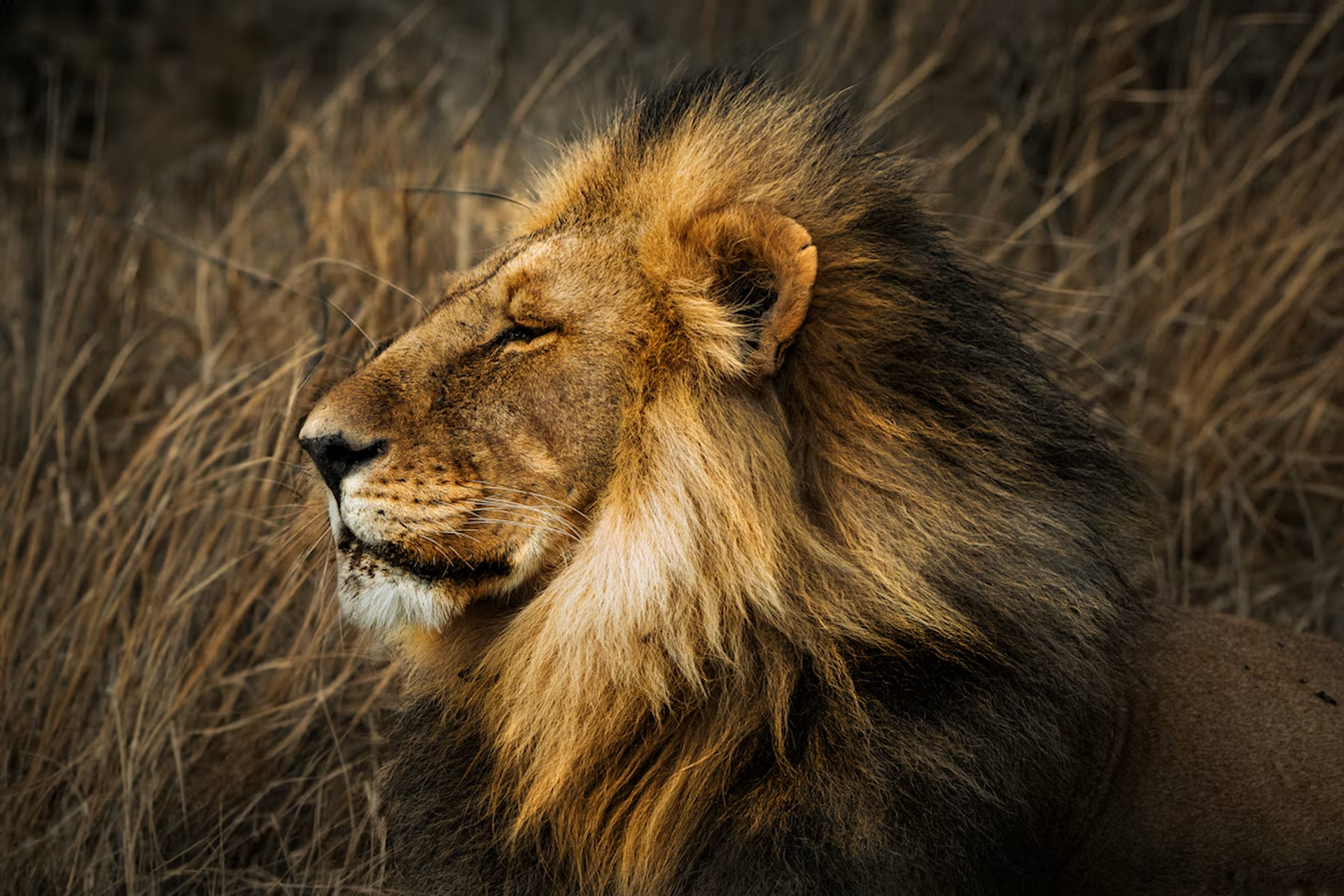
Here, you can witness lions, elephants, giraffes, and cheetahs in their natural habitat. The highlight is the Great Migration, where millions of wildebeest and zebras move across the plains in search of fresh grazing.
Every corner of the Serengeti tells a story of survival and beauty, offering both adventure and a deep connection with nature.
History & Formation
The Origin of Serengeti
The Serengeti was first established as a national park in 1951 to protect its remarkable wildlife populations and vast natural landscapes. In 1959, the Ngorongoro Conservation Area was separated from the park, creating a distinct conservation zone. The name Serengeti comes from the Maasai word "Siringet," meaning "endless plains," reflecting the region's vast open grasslands.
Over the years, conservation efforts have played a vital role in protecting the Serengeti's wildlife and natural habitats. Local Maasai communities remain closely connected to the surrounding landscapes, preserving their cultural traditions while adapting to modern conservation practices. These efforts have helped maintain the region's cultural heritage while supporting responsible tourism.
Geography and landscape
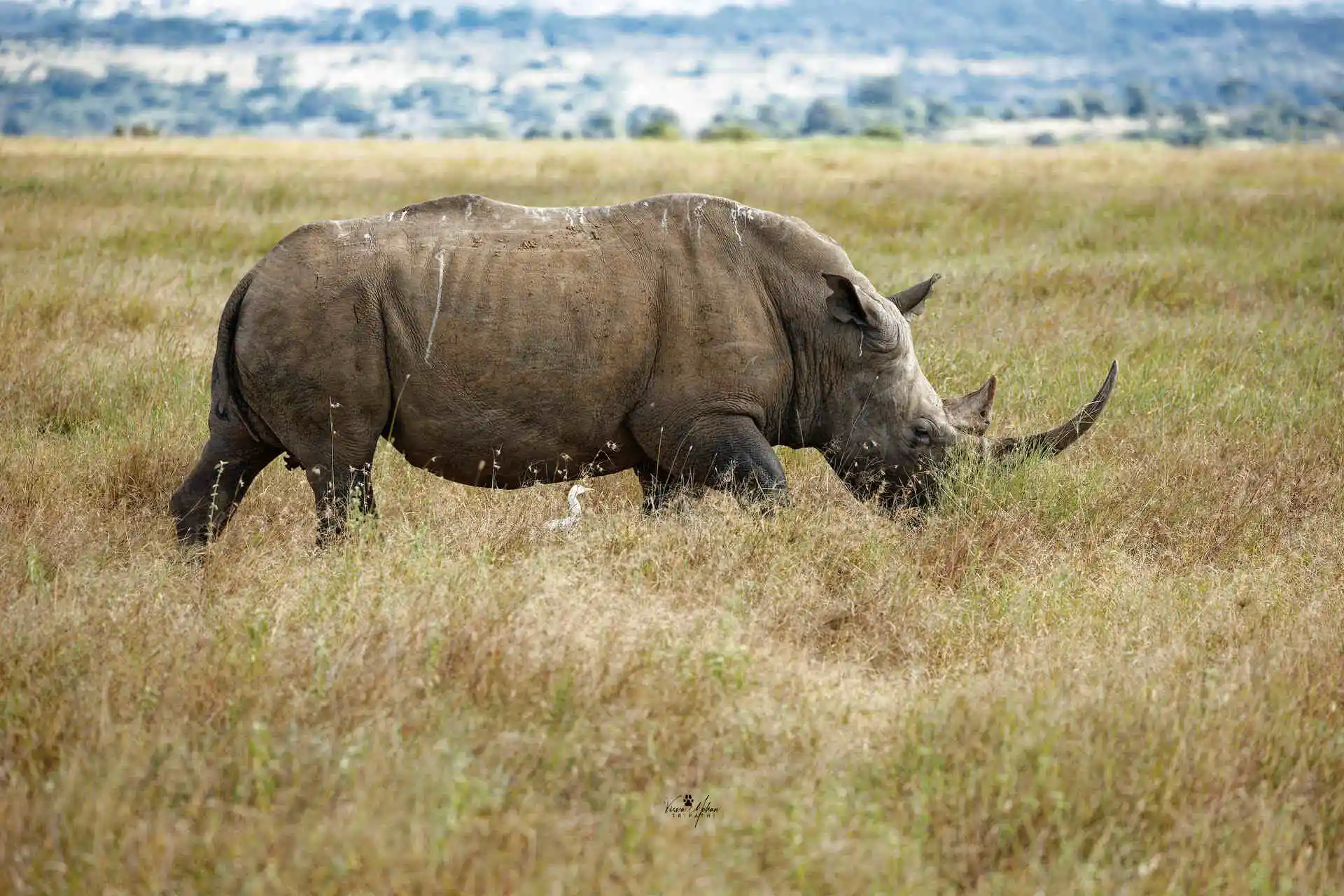
Serengeti National Park covers approximately 14,763 square kilometers (5,700 square miles) in northern Tanzania and forms part of the greater Serengeti-Mara ecosystem. This vast ecosystem extends across the Kenya-Tanzania border and includes the Maasai Mara, supporting one of Africa's most remarkable wildlife populations.
To the north, the Serengeti connects with Kenya's Maasai Mara, while the Ngorongoro Conservation Area lies to the southeast. Open savannah grasslands spread across the central plains, while woodlands, rocky kopjes, and river valleys create diverse habitats that sustain an incredible variety of wildlife. This unique geography makes the Serengeti one of the most remarkable and rewarding safari destinations in Africa.
Climate and Best Time to Visit
The Serengeti enjoys a generally warm climate year-round, with daytime temperatures ranging from 20°C (68°F) to 30°C (86°F) and cooler nights, particularly in higher-altitude areas. The dry season, from June to October, offers sunny days and cooler nights, making it ideal for safaris and wildlife viewing, especially during the Great Migration. The wet season, from November to May, brings lush greenery and vibrant birdlife, with rainfall particularly common from March to May. This season offers fewer crowds in some areas and a peaceful experience, with the landscape becoming a beautiful, green paradise. Regardless of the season, it's best to pack light, breathable clothes for warm days and a jacket for cooler mornings and evenings.

July to October
The prime time to witness the Great Migration in the northern Serengeti. This period features dramatic Mara River crossings and high wildlife concentrations, making it a photographer's paradise.

December to February
Ideal for predator sightings, as the calving season attracts large numbers of wildebeest to the southern Serengeti. This period also offers excellent birdwatching opportunities, with many migratory species visiting the region.

March to June
Known as the green season, the landscape becomes lush and vibrant, attracting a variety of wildlife. This period also offers fewer crowds in many areas, providing a more peaceful safari experience.
The Great Migration
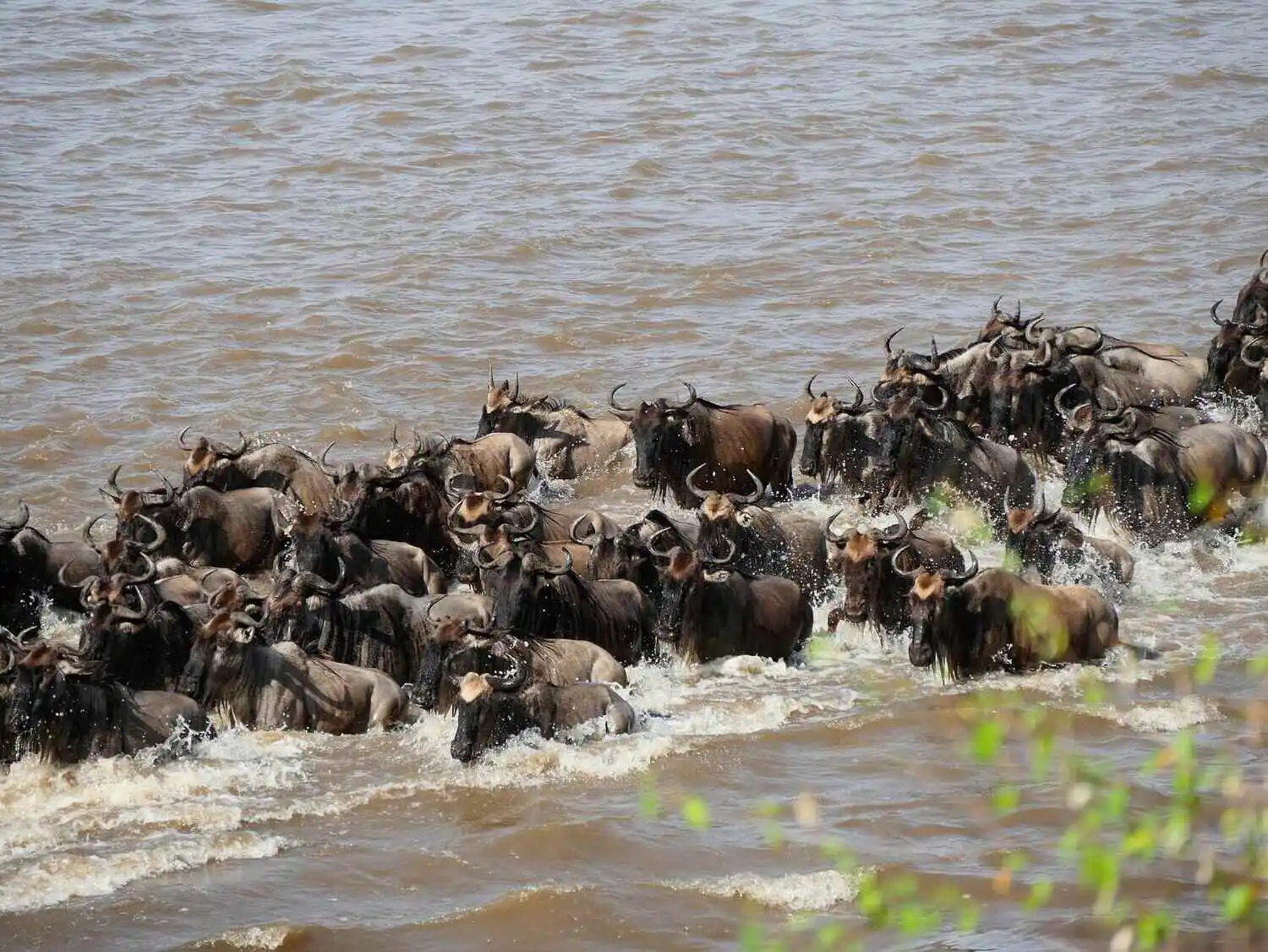
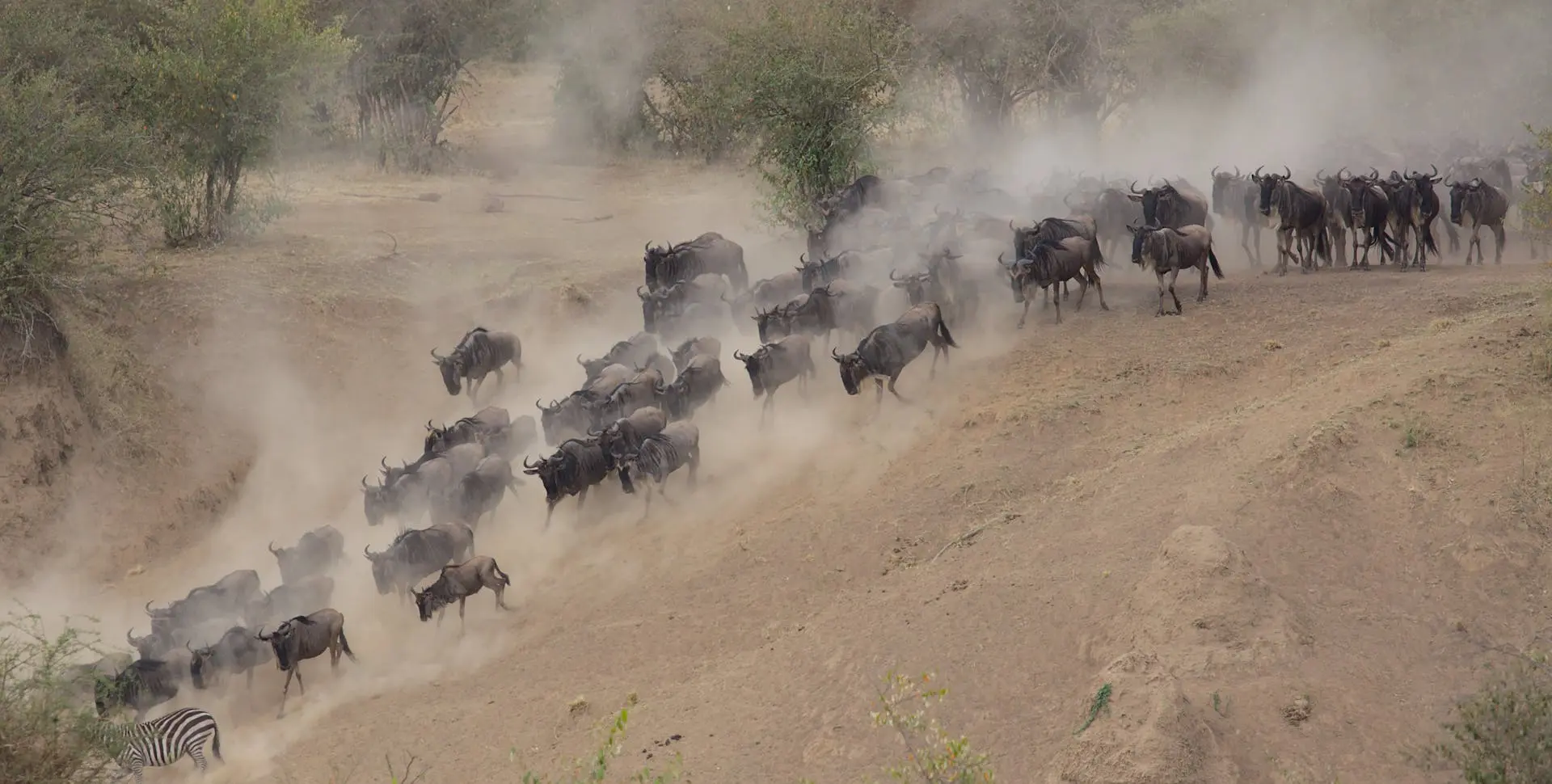
The Great Migration is one of nature’s most spectacular events. Each year, millions of wildebeest, zebras, and gazelles move across Tanzania’s Serengeti ecosystem in search of fresh grazing and water.
Highlights include:
- River Crossings:Heart-pounding scenes as herds cross crocodile-filled rivers, creating some of the most dramatic moments of the migration.
- Predator Encounters: Lions, leopards, and cheetahs follow the herds, creating intense wildlife action across the Serengeti plains.
Want to dive deeper? Visit our Great Migration page for the complete story of this remarkable event.
Safari Activities
Game Drives
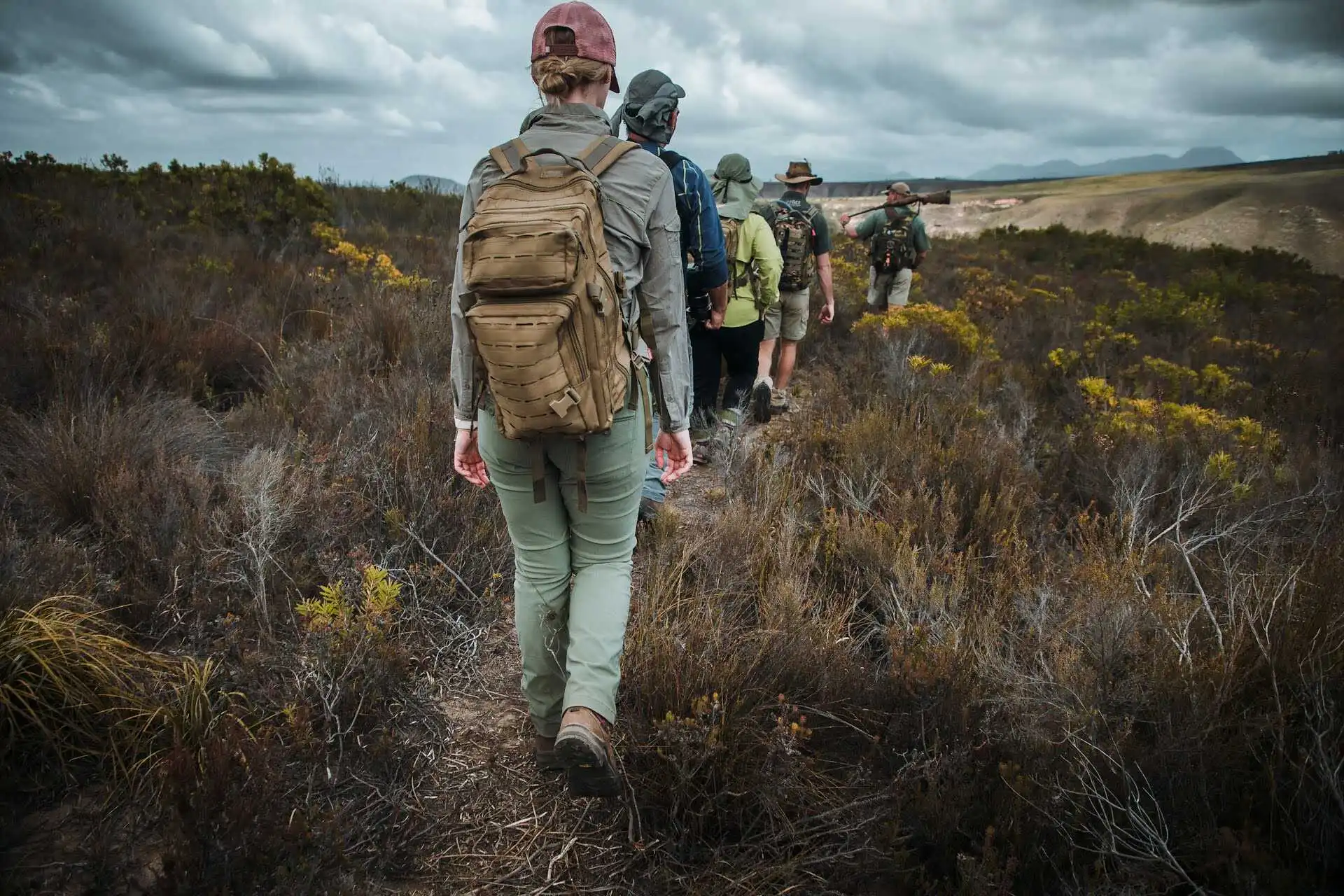
Walking Safaris
Customized Safaris
Experience the Serengeti
Are you ready to explore the beauty and wildlife of the Serengeti? Whether you're looking to witness the Great Migration or simply enjoy the breathtaking landscapes, the Serengeti offers something for every nature lover.
Popular Safari Packages
Experience the best of the Serengeti with our carefully designed safari packages. From action-packed game drives to close encounters with the Big Five, each package offers a unique way to explore the reserve. Whether you want a luxury escape, an adventurous holiday, or a family-friendly trip, our safaris bring you closer to the wildlife and landscapes that make the Mara world-famous.
8 Days / 7 Nights
You Visit: Arusha (Start), Tarangire, Ngorongoro, Serengeti, Arusha (End)
Call
View Details
8 Days / 7 Nights
You Visit: Arusha (Start), Tarangire, Lake Manyara, Central Serengeti, Western Serengeti, Arusha (End)
Call
View Details
6 Days / 5 Nights
You Visit: Arusha (Start), Lake Manyara, Serengeti, Ngorongoro, Arusha (End)
Call
View Details