
Nature's Grandest Spectacle
The Great Migration
Join the epic journey of wildlife across the Serengeti — a natural wonder like no other!
The Epic Journey of the Great Migration
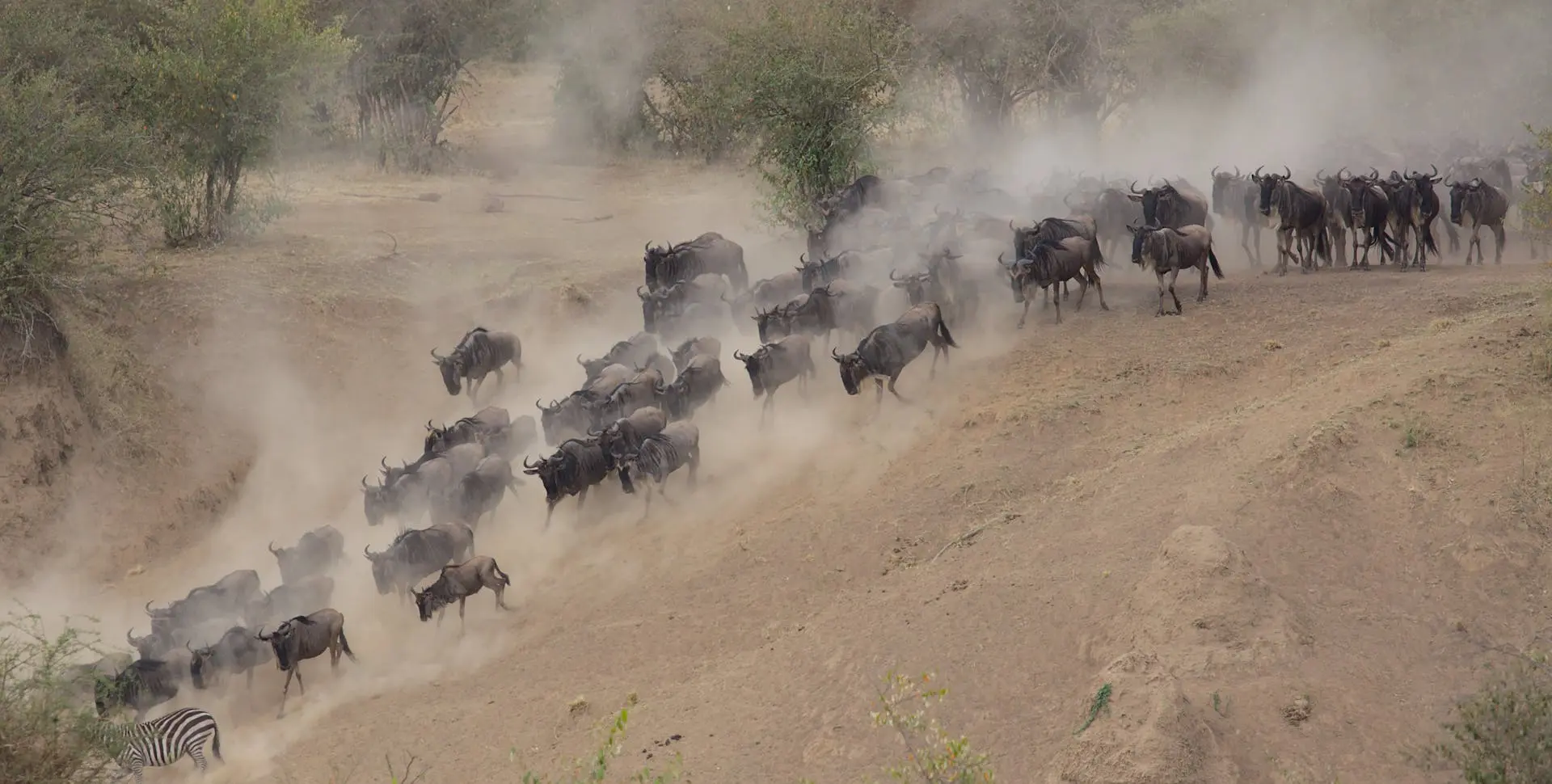
The Great Migration is one of the most spectacular wildlife events on the planet. Every year, over two million wildebeest, zebras and gazelles cross the Serengeti in a giant loop that never truly ends. This journey is not just a feast for the eyes. It is a critical natural process that keeps the ecosystem alive.
The migration is a never-ending cycle of life, driven by the search for fresh grazing and water. Predators wait at every river crossing and every stretch of open plain, making this a must-see phenomenon for nature enthusiasts.
What is the Great Migration?
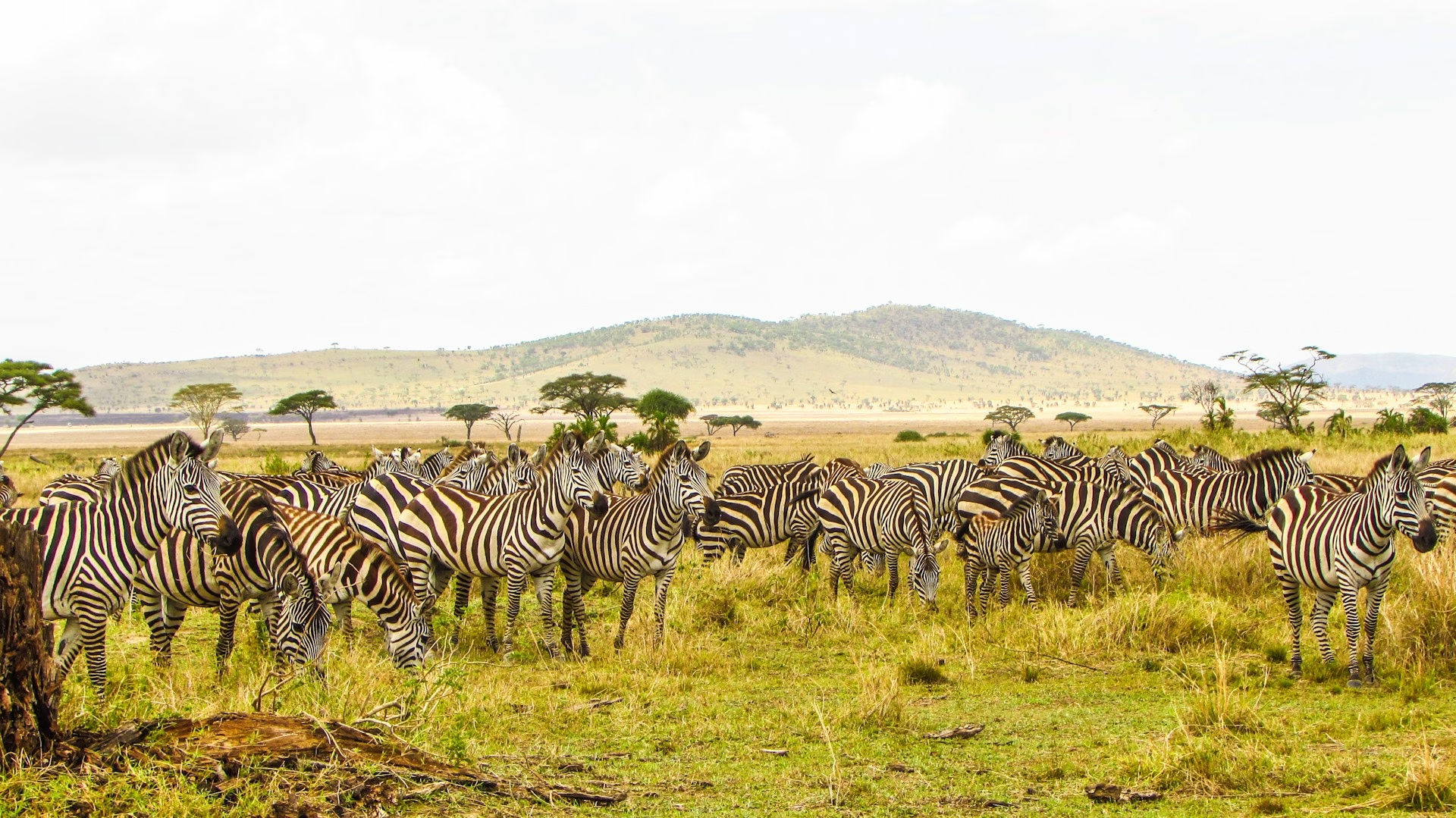
The Great Migration is an annual movement of over 1.5 million wildebeest, 200,000 zebras, and smaller groups of antelope. They travel in a massive loop across the Serengeti and Maasai Mara, covering more than 1,800 miles.
Why Does It Happen?
This migration is driven by seasonal rainfall patterns and the availability of food. Wildebeest follow the rains to find fresh, nutrient-rich grass, and this keeps their herds alive.
The Migration Route
The journey begins on the southern plains of the Serengeti, where calving season takes place. From there, herds move north through the Central Serengeti and the Western Corridor, crossing the Grumeti River along the way. By July, they push into the Northern Serengeti and face the Mara River crossings. As the rains shift again around November, the herds turn south and head back toward the plains.
Peak Seasons for Specific Events During the Great Migration
The Serengeti offers a front-row seat to the Great Migration's most dramatic moments. Knowing when to visit can help you experience these incredible events, whether it's the thrilling river crossings or the serene calving season. Here's a guide to the peak times for witnessing the migration's most iconic occurrences.
Grumeti River Crossings (May–July)
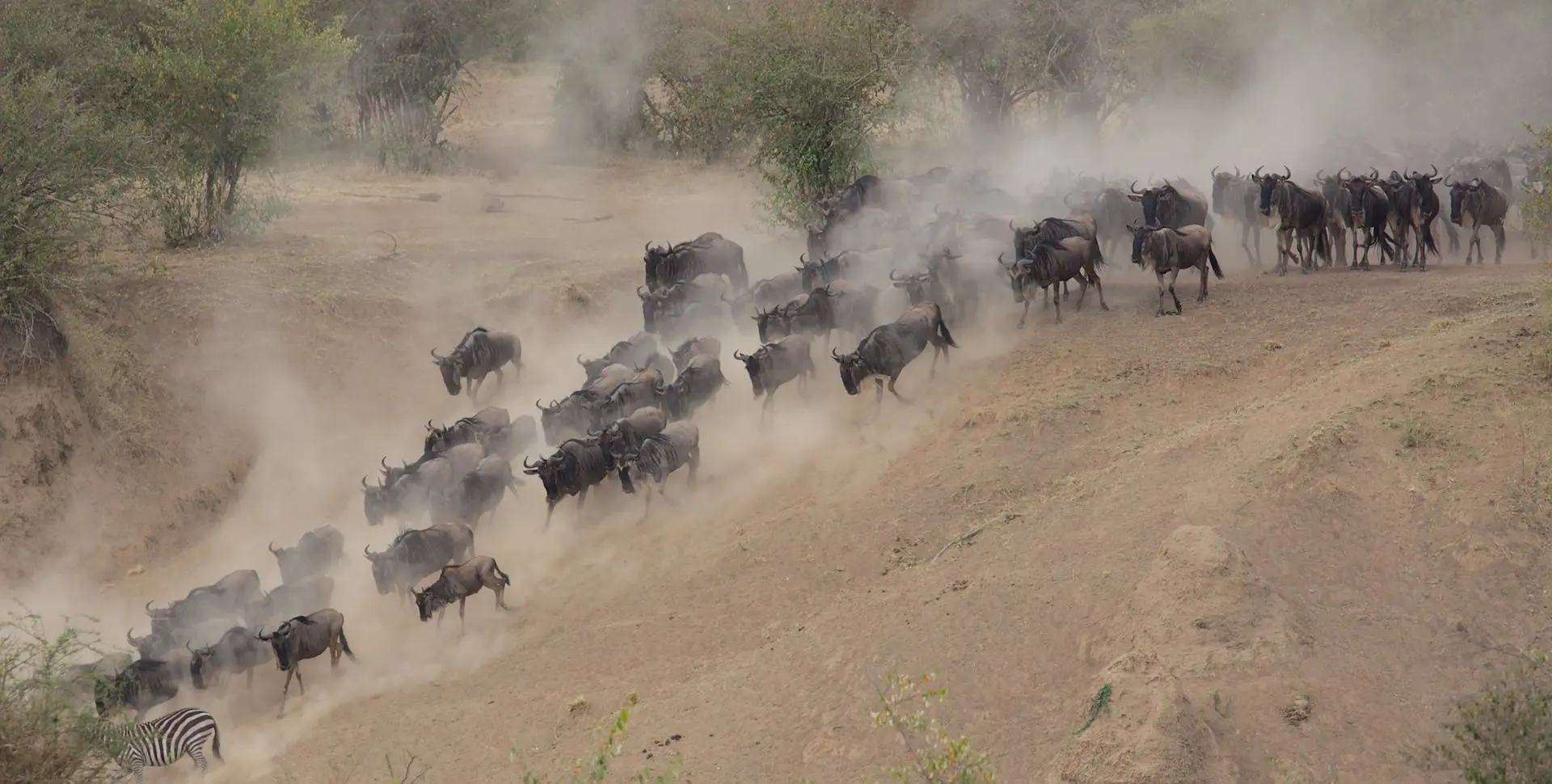
- The herds cross the Grumeti River as they move north through the Western Corridor.
- Large crocodiles wait in the water, and these crossings are often smaller and less crowded than the ones further north.
Mara River Crossings (July–September)
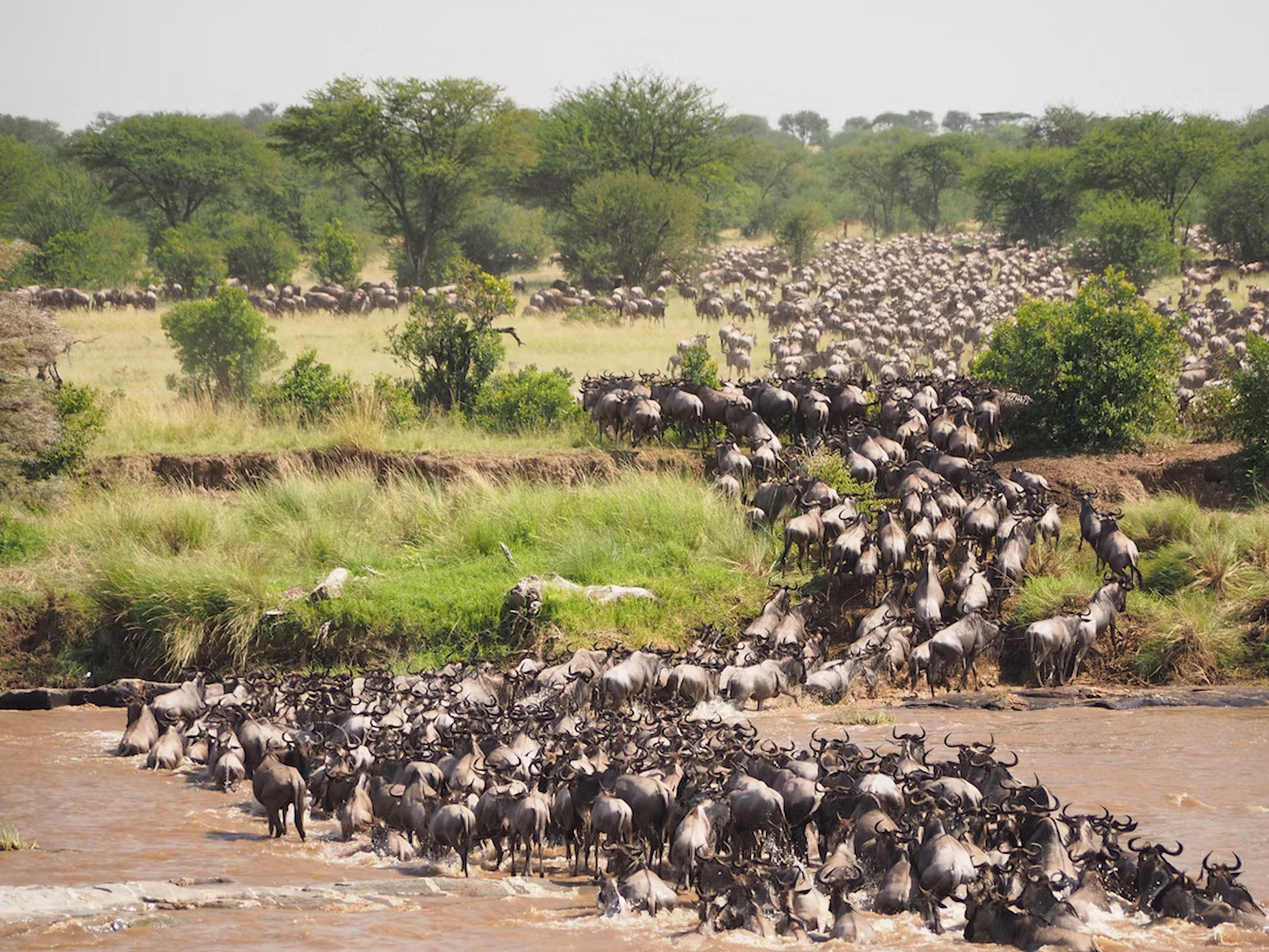
- The herds reach the Northern Serengeti and face the Mara River, the migration's most dramatic obstacle.
- Steep banks, strong currents and waiting crocodiles make this crossing the most watched event of the entire year.
Northern Grazing Season (August–October)
- Herds spread across the Northern Serengeti to graze on fresh grass.
- Predator activity stays high, making this the best time to observe classic savanna wildlife interactions.
Return South (November–December)
- Short rains push the herds back toward the southern plains ahead of calving season.
- The Central Serengeti sees large numbers of animals pass through during this return journey.
Calving Season (January–March)
- More than 500,000 wildebeest calves are born on the southern plains within a few weeks.
- Predators gather in large numbers, and newborn calves face constant danger in their first days of life.
Tips for Timing Your Trip
Timing is everything when planning a safari to witness the Great Migration. By understanding the migration's patterns and preparing in advance, you can maximize your chances of catching the most spectacular wildlife moments. Here's how to make the most of your visit:
Wildlife Viewing Opportunities
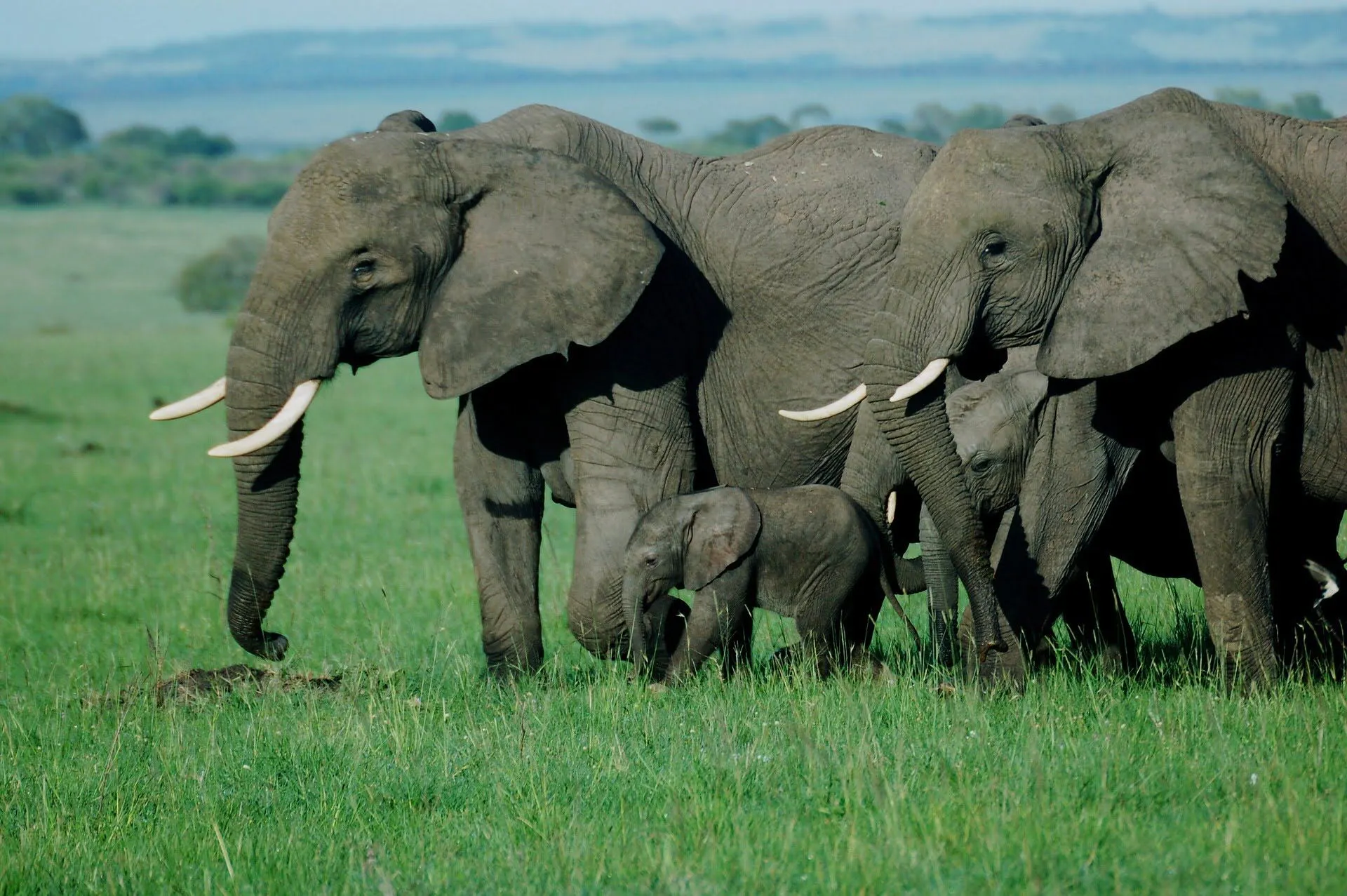
The Great Migration is a wildlife spectacle like no other, offering a front-row seat to nature's most dramatic events. While the wildebeest are the stars of the show, they share the stage with a wide array of other animals, each playing a crucial role in the ecosystem.
Predator Hunts
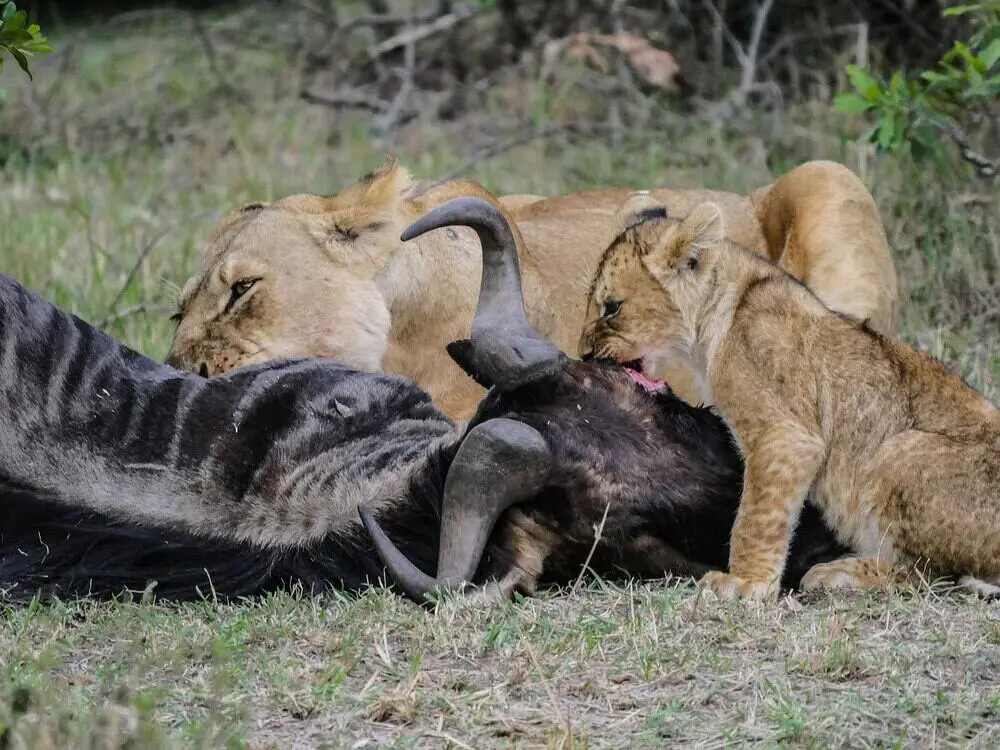
The abundance of wildebeest, zebras and gazelles draws predators like lions, cheetahs and hyenas. These skilled hunters capitalize on the opportunity to stalk and ambush the herds in a thrilling display of survival.
River Crossings
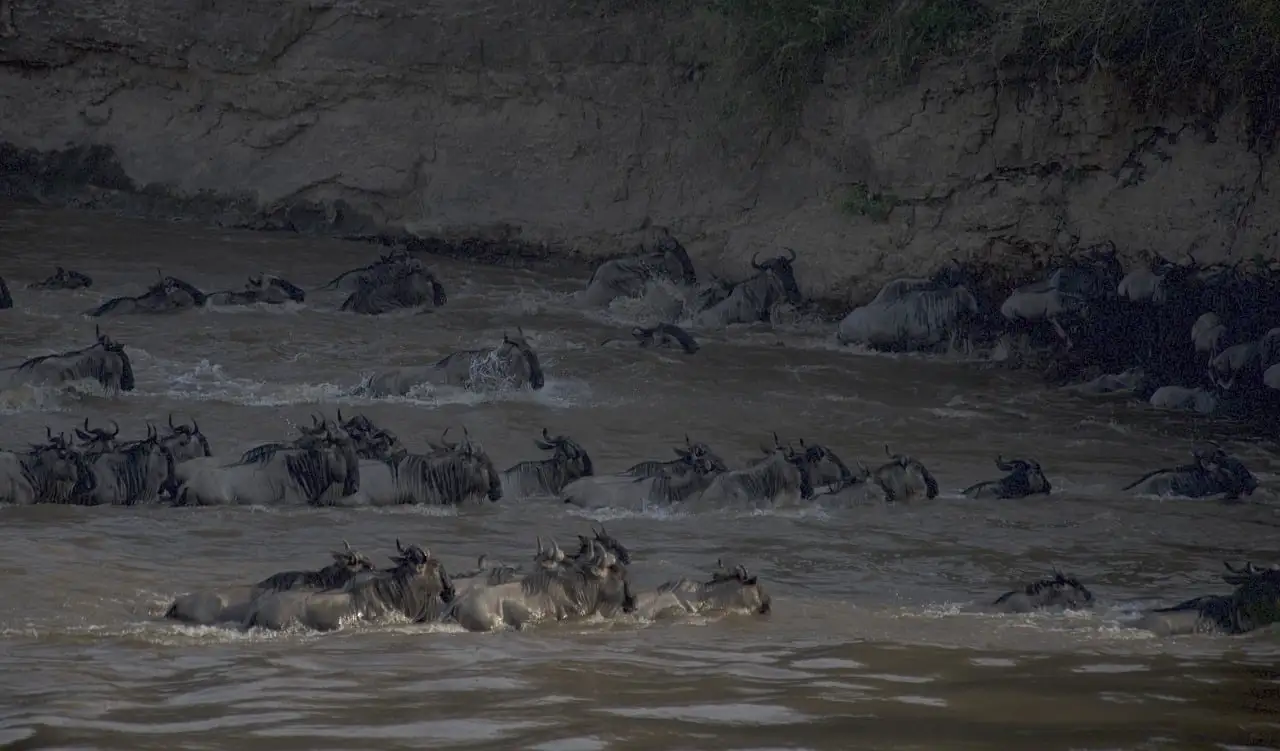
The Grumeti and Mara River crossings are the migration's most iconic moments, filled with chaos and danger. Crocodiles lie in wait in the water while predators prowl along the banks, creating dramatic, edge-of-your-seat action.
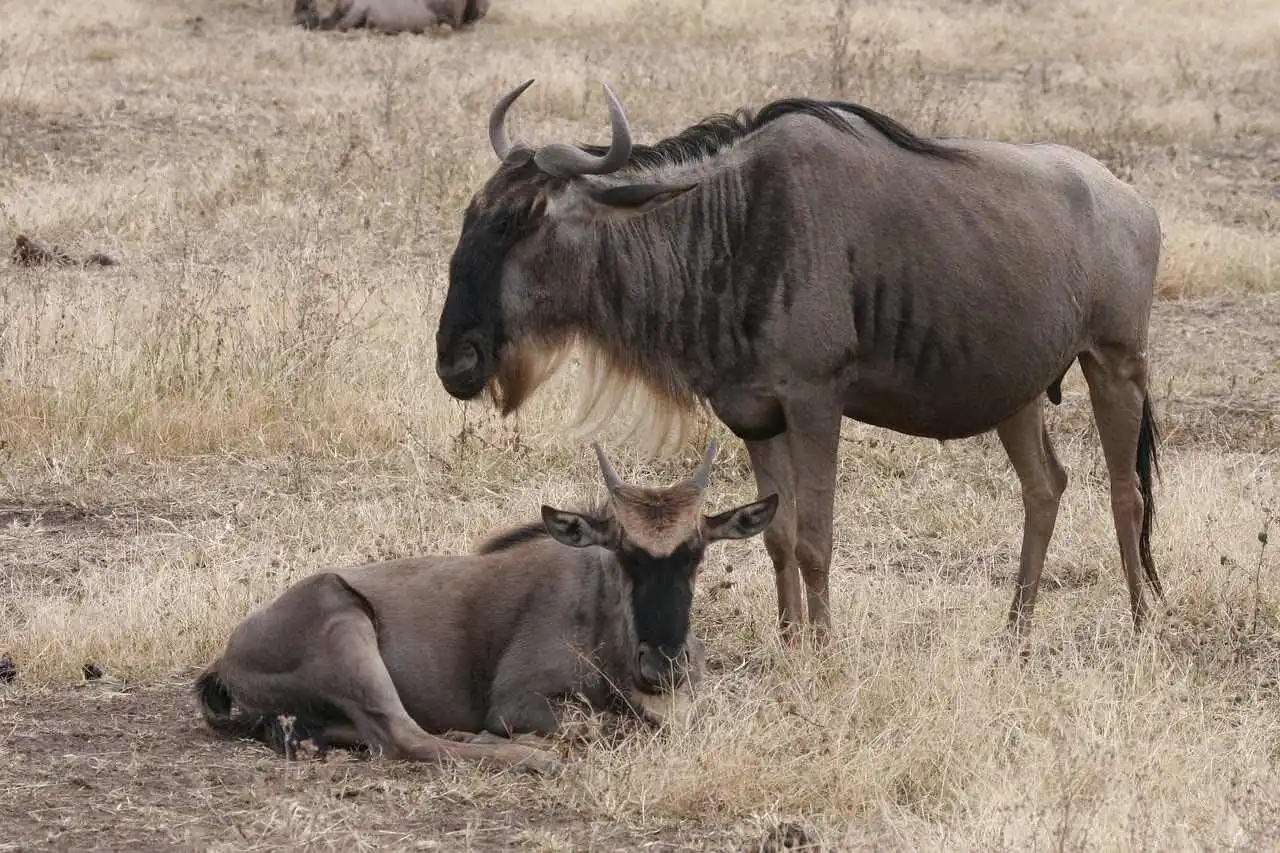
Calving Season
During calving season, thousands of wildebeest calves are born on the southern plains of the Serengeti. These vulnerable newborns take their first steps, offering a beautiful yet tense scene as predators quickly close in.
Best Locations to see The Great Migration in the Serengeti
The Serengeti offers several prime spots to witness the Great Migration, each with its own unique features. These locations provide a range of experiences from dramatic action to peaceful observation.
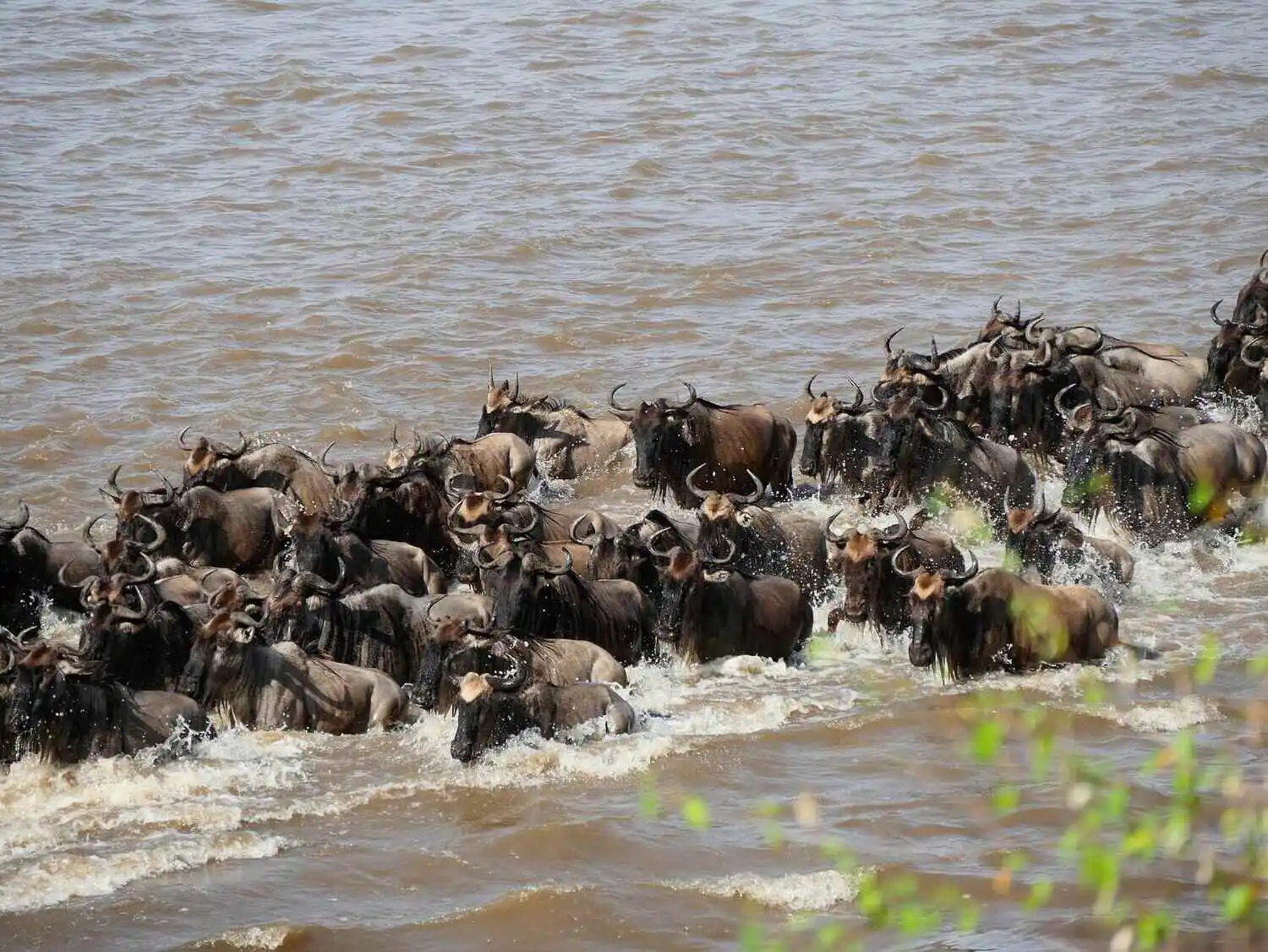
Mara River Crossing
The Mara River crossing near Kogatende is famous for its dramatic scenes, where wildebeest, zebras and gazelles risk their lives to cross crocodile-filled waters. It's one of the most thrilling parts of the migration, with predators waiting along the banks for an easy meal.
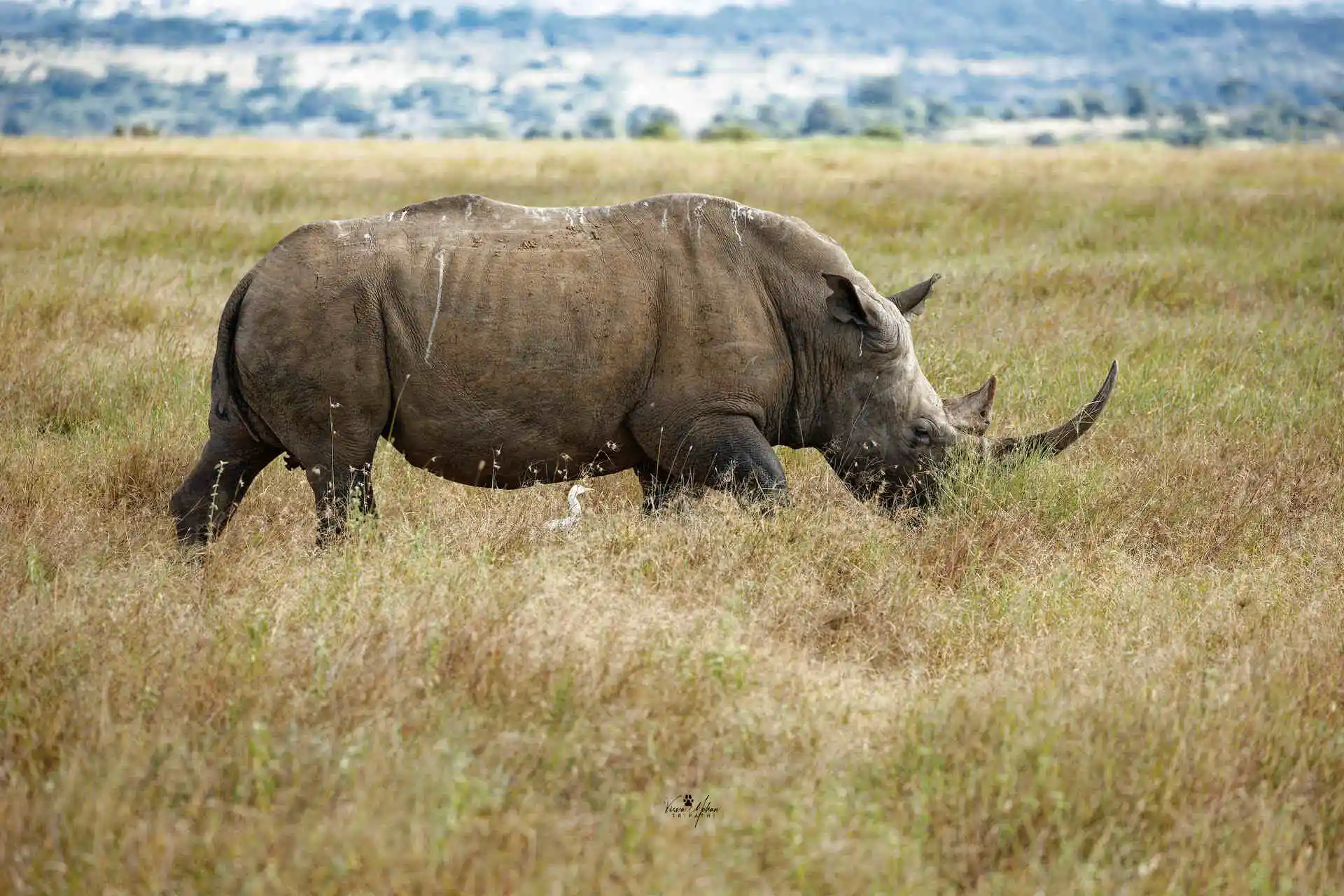
Ndutu and the Southern Plains
Ndutu is known for its rich wildlife and open, uncrowded landscape. This area offers a great mix of predator action, newborn calves and scenic views, providing a more peaceful safari experience during calving season.
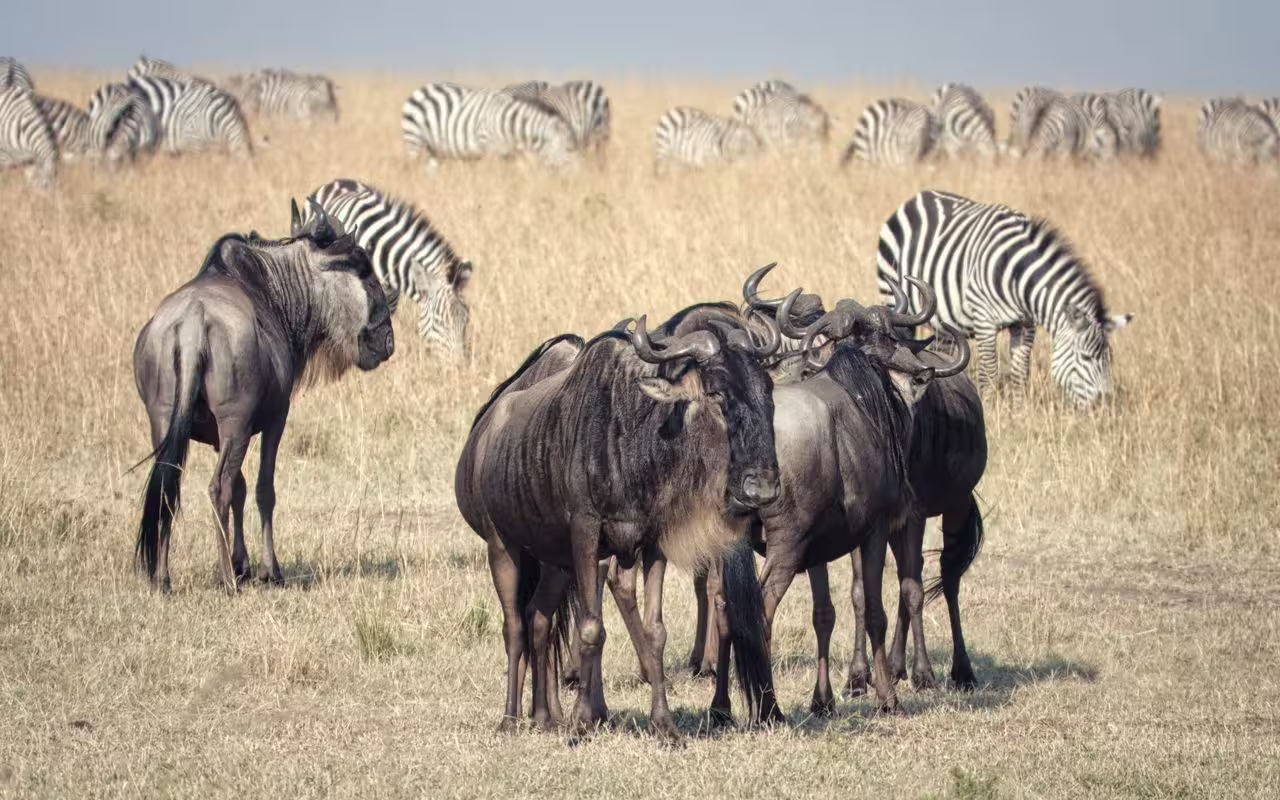
Naabi Hill
Naabi Hill offers sweeping views of the Serengeti's central plains, making it perfect for spotting migration herds from a distance. It also provides a great vantage point to see predators in action, all while enjoying the expansive landscape.
Grumeti River
The Grumeti River is a quieter spot where visitors can observe the wildebeest herds crossing and grazing. It offers an intimate experience with fewer tourists, making it ideal for those seeking a peaceful safari with excellent wildlife opportunities.
Seronera Valley
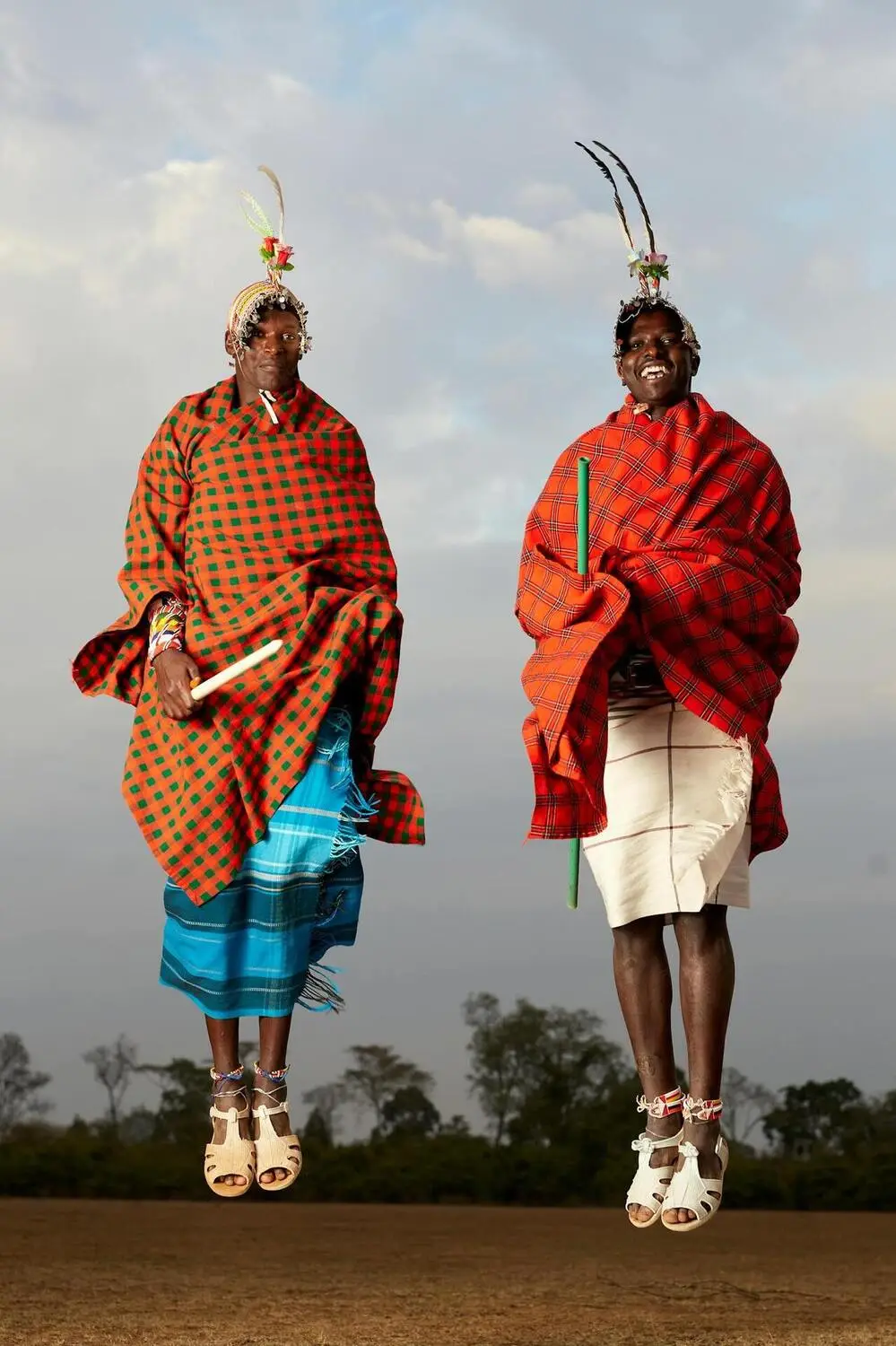
Seronera Valley is a popular hub in the Central Serengeti and a great place to base your safari. From here, visitors can quickly access migration hotspots and enjoy wildlife sightings all year round, with strong resident wildlife even outside peak migration months.
Conservation Challenges and Solutions
The Great Migration is a natural wonder that requires protection. Preserving its route is vital for the animals and ecosystems that rely on it. Here's how we can all contribute to its conservation:
The Importance of Conserving the Migration Route
Conserving the migration route ensures wildlife can complete their journey to find food and water. Protecting these areas is essential for maintaining biodiversity and the delicate balance of nature.
Challenges Facing the Migration
The migration faces threats from human activities, climate change and habitat loss. Changes in rainfall and development along migration paths are disrupting the movement of herds.
How Travelers Can Contribute to Responsible Tourism
Travelers can support conservation by choosing eco-friendly safaris and respecting local wildlife. Supporting sustainable tourism initiatives helps protect the migration route for future generations.
Photo Opportunities
The Great Migration offers some of the most awe-inspiring wildlife moments, making it a photographer's dream. Whether you're an experienced photographer or a beginner, here's how you can capture the essence of this incredible event:
Tips for Capturing Stunning Photos of the Migration
- Capture the movement of the wildebeest, predators hunting or dramatic river crossings to focus on the action.
- Including the surrounding environment adds depth to your photos, making them feel more dynamic.
- Early morning or late afternoon light creates beautiful, soft tones that enhance the atmosphere of your shot.
- Watch for key migration events and position yourself accordingly to anticipate the best moments.
- Wildlife photography requires patience, so wait for the right moment to unfold for your shot.
Recommended Camera Settings
- A fast shutter speed (1/1000 sec or faster) helps freeze motion and capture fast-moving animals clearly.
- Set a wide aperture (f/4 to f/5.6) for a shallow depth of field to isolate your subject from the background.
- Keep ISO low (around 100–400) to avoid noise, adjusting based on light conditions.
- Use continuous shooting mode to capture multiple frames quickly, ideal for action shots.
- Continuous autofocus (AI Servo or AF-C) is essential for tracking moving subjects and keeping them in focus.
Witness the Great Migration Up Close
See the Great Migration in the Serengeti like never before. Our safari packages take you close to this incredible event, offering amazing wildlife encounters. Don't miss the chance to watch millions of animals on the move, book your safari today and make it an experience to remember.
.
Best Safari Packages for Witnessing the Great Migration
The Great Migration is an unforgettable experience, and the Maasai Mara offers the perfect backdrop to witness it. Our carefully curated safari packages allow you to be part of this awe-inspiring event, offering you the best chance to see the migration in all its glory. Whether you're looking for a luxurious experience or a more adventurous journey, there’s a package for every traveler.
8 Days / 7 Nights
You Visit: Arusha (Start), Tarangire, Ngorongoro, Serengeti, Arusha (End)
Call
View Details
8 Days / 7 Nights
You Visit: Arusha (Start), Tarangire, Lake Manyara, Central Serengeti, Western Serengeti, Arusha (End)
Call
View Details
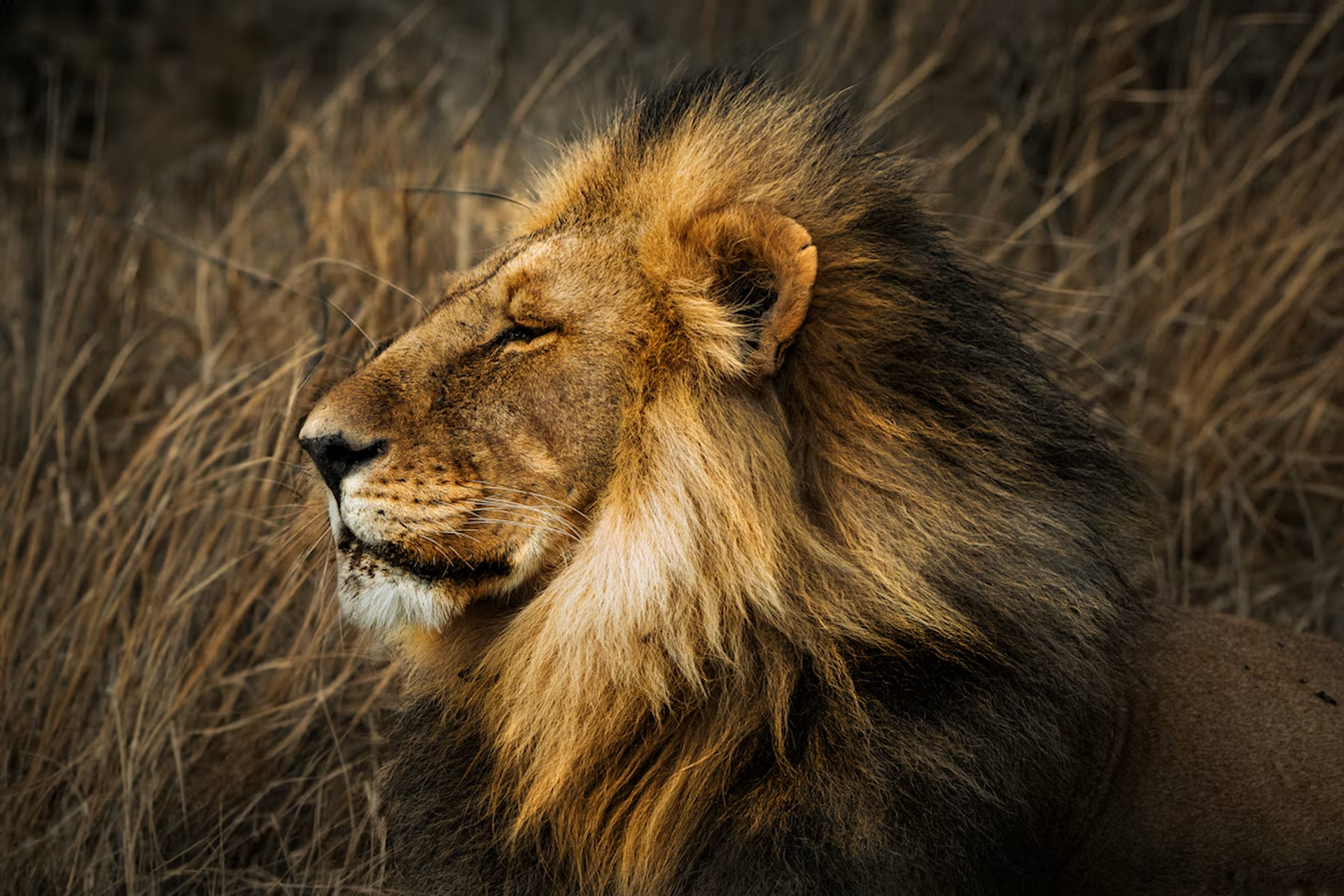
6 Days / 5 Nights
You Visit: Arusha (Start), Lake Manyara, Serengeti, Ngorongoro, Arusha (End)
Call
View Details
FAQs - The Great Migration
When does the Great Migration happen in the Serengeti?
The migration takes place year-round, with calving from January to March and river crossings generally occurring from May to September.
Where can I see the Great Migration in the Serengeti?
The main areas include the Southern Plains, Central Serengeti, Western Corridor, Northern Serengeti and the Mara River region.
When is the best time to see the Great Migration?
July to September is popular for Mara River crossings, while January to March offers calving season and strong predator activity.
Can I see the Mara River crossings in the Serengeti?
Yes. Northern Serengeti near Kogatende offers opportunities to see wildebeest and zebras crossing the Mara River during the migration.
What animals can I see during the Great Migration?
The migration features wildebeest, zebras and gazelles, while lions, cheetahs, hyenas and crocodiles are often seen around the herds.