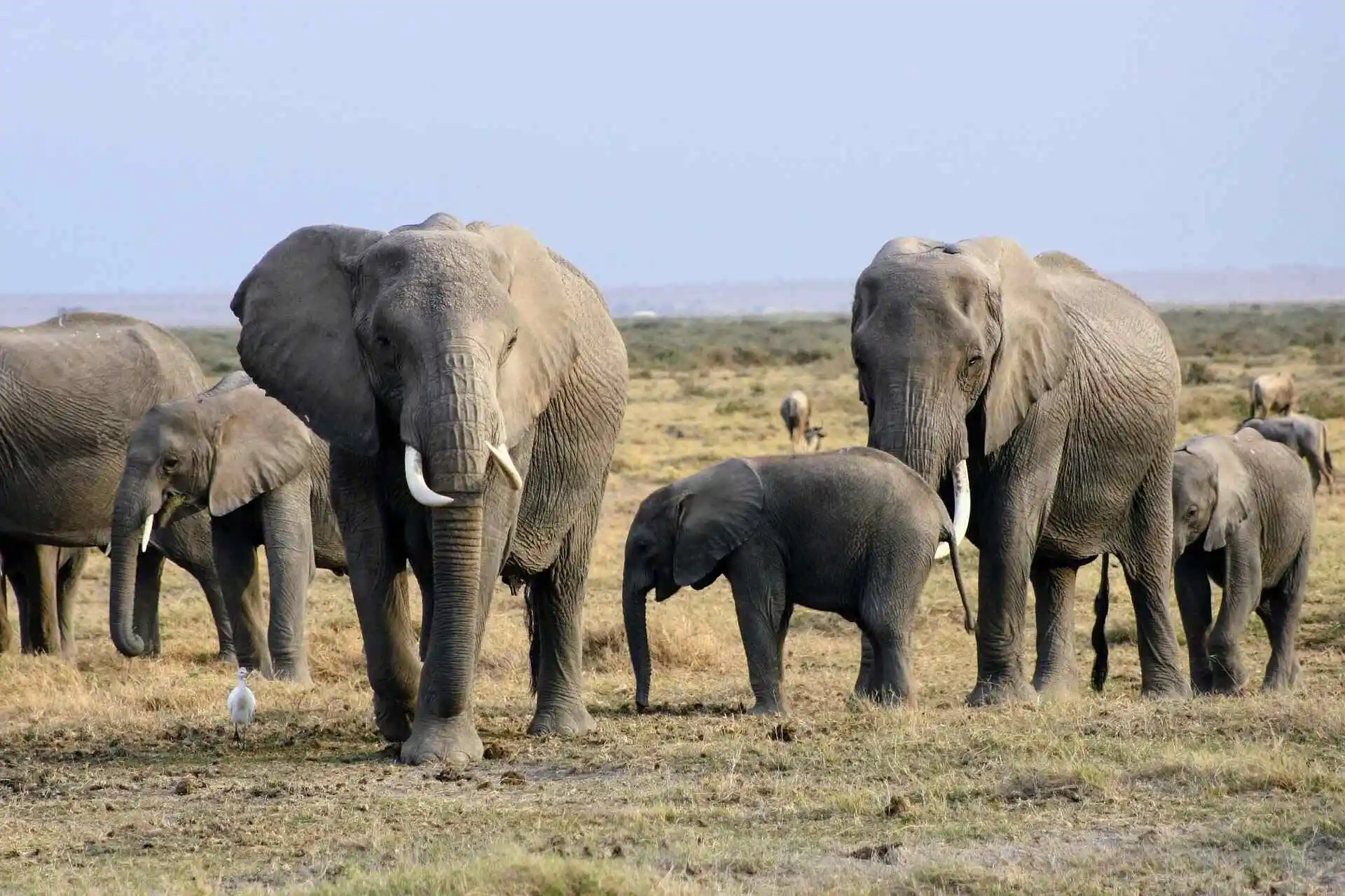
July is one of the best months to witness the dry season in the Serengeti as clear skies, chilly mornings and excellent wildlife viewing opportunities await. The Great Wildebeest Migration often takes place in the Northern Serengeti in July with herds of wildebeest potentially crossing the Mara River. However the migration is dependent on rainfall and grazing patterns which are impossible to predict. July is a great month to visit the Serengeti offering a mix of wildlife, scenery and safari adventures.
Is July a Good Month for a Serengeti Safari?
Yes, July is a great month to see the Serengeti in the dry season.
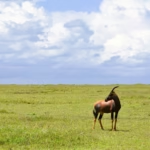
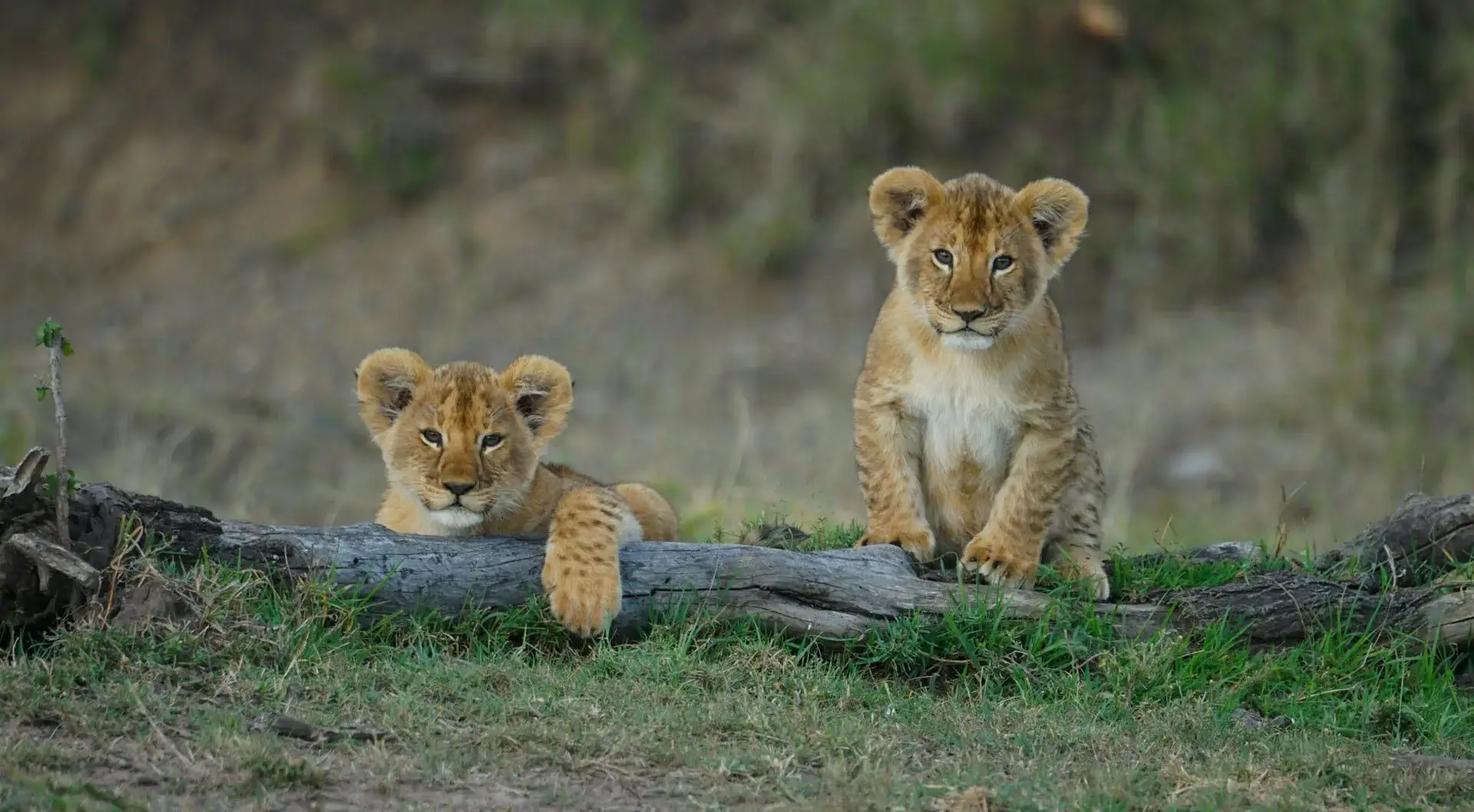
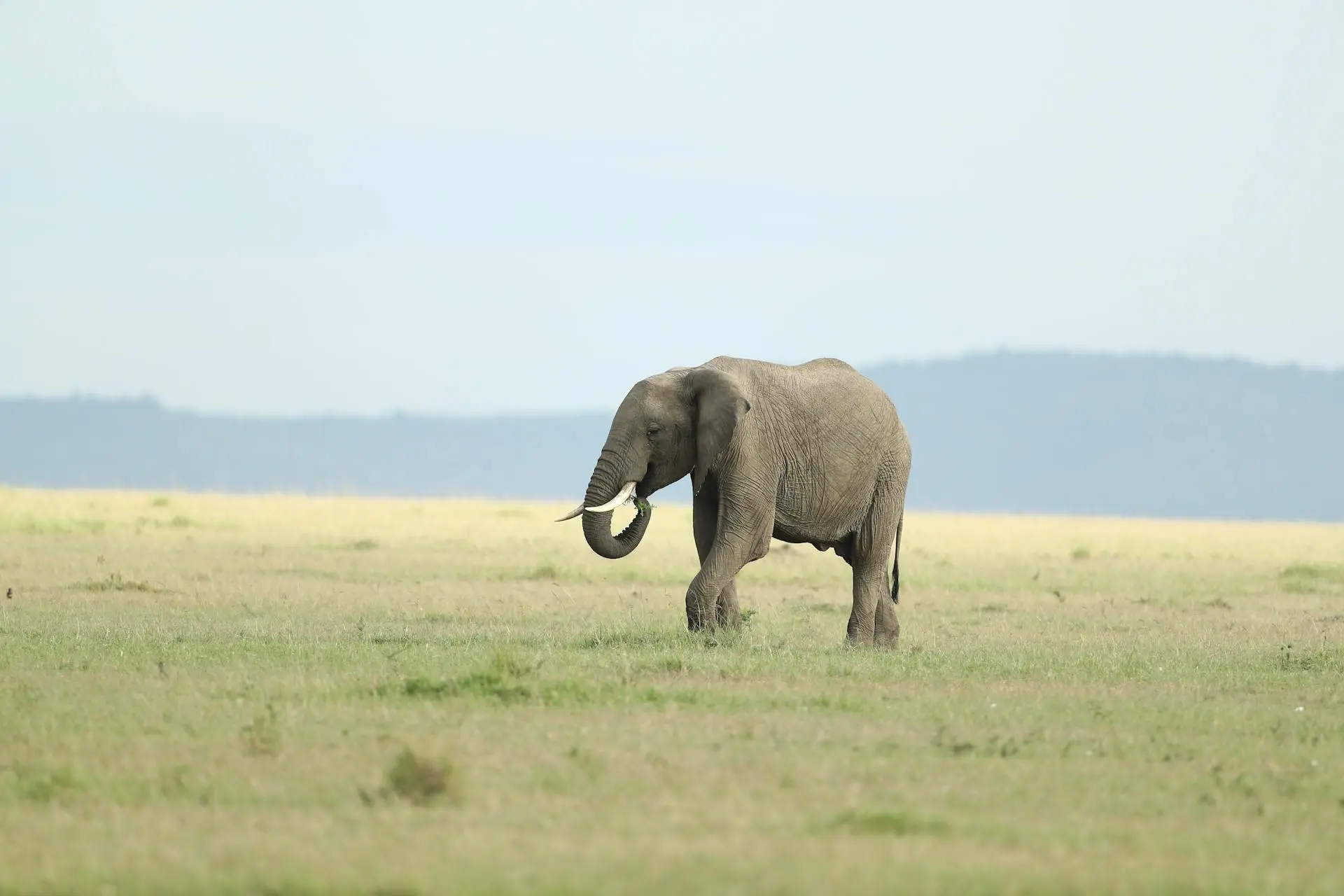
Lions, elephants, giraffes, zebras, buffaloes, and a variety of antelopes can be seen in this year-round wildlife haven. Wildlife spotting opportunities are excellent in the dry season as animals congregate around water sources and vegetation becomes sparse.
July is also an excellent month to witness the Great Wildebeest Migration. Herds of wildebeest and zebras regularly pass through the Western Corridor on their way to the North where they aim to reach the Mara River. The crossing of the Mara River is always an awe-inspiring sight but it is impossible to predict.
July is also one of the peak seasons for a safari in the Serengeti. As such it is important to book accommodation well in advance and plan to spend a few days in the area.
What is the Weather Like in the Serengeti in July?
July falls within the dry season in the Serengeti with generally little rainshowers and plenty of sunshine.
Nights and early mornings can be particularly chilly so it is important to pack warm clothing, especially if travelling in an open vehicle. Days are generally warm although temperatures can vary depending on the time of day and one's altitude.
Visibility is also excellent in July as vegetation becomes sparse. Dust kicked up by vehicles can also reduce visibility on some roads so it is a good idea to bring a scarf to cover the mouth and nose.
Warm clothing should be worn in the mornings and evenings while light clothing is perfect for warm afternoons. Comfortable trousers and closed shoes are also recommended. In addition, sunblock, sunglasses and a hat are essential accessories. It is also a good idea to bring a camera with a good lens and enough memory cards. While morning game drives offer excellent wildlife spotting opportunities, they can also be cold so warm clothing is recommended.
What Wildlife Can I See on a July Safari?
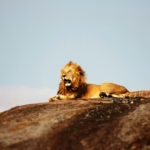
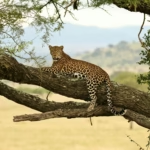
July offers excellent opportunities to see the Serengeti's impressive variety of wildlife. Lions can often be seen resting in trees or on rocky outcrops while leopards blend in with the foliage and cheetahs wait patiently in the open plains. Elephants, giraffes, buffaloes, zebras and a variety of antelopes can also be seen.
The Great Wildebeest Migration is one of the main draws of a July safari. Large herds of wildebeest and zebras can often be seen traversing the Western Corridor and central Serengeti on their way to the north. Predators such as lions and spotted hyenas can also be seen following the migration.
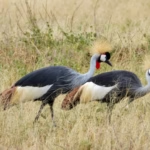
July is also an excellent time for birdwatching. Different bird species can be seen in the open plains, along riverbanks, in woodland and rocky regions. Eagles, vultures, hornbills and other fascinating bird species can be seen on a game drive in July.
Wildlife spotting opportunities are never guaranteed so it is important to spend a few days in the region to increase one's chances of seeing the Serengeti's fascinating variety of wildlife.
Where Should I Go on a July Safari?
The Northern Serengeti
The Northern Serengeti is a popular safari circuit in July as it is the favored destination for the Great Wildebeest Migration. Wide open plains, gentle hills, winding rivers and woodlands dot this region which is home to an impressive variety of wildlife. The Mara River is a major attraction as it hosts some of the most dramatic crossings of the Great Wildebeest Migration. Crocodiles can also be seen basking along the riverbank. While the crossing of the Mara River is always an incredible experience it is important to remember that it is completely unpredictable.
Kogatende and its surrounding regions are excellent places to base oneself while taking in the wildlife and scenery of the Northern Serengeti. It is also a good idea to keep track of the most recent sightings of herds of wildebeest and zebras before setting up camp as the wildlife spotting opportunities will be greater. This region is also perfect for game drives offering excellent opportunities to see the Serengeti's diverse variety of wildlife even if the Mara River crossing is missed.
The Western Corridor
The Western Corridor is another excellent option for a July safari, especially if the Great Wildebeest Migration is still making its way along the Grumeti River. This region is home to a fascinating variety of wildlife including the elusive leopards. Crocodiles and hippos can also be seen in the river while open plains offer opportunities to spot game.
The Western Corridor is also a great option for game drives as it provides a respite from the bustle of the Northern Serengeti, especially if the Great Wildebeest Migration has already passed through the region. It is a good idea to keep track of recent sightings of wildebeest and zebras before planning one's itinerary in this region.
The Central Serengeti/Seronera
The Central Serengeti is an excellent option for a safari in July offering wide open plains, interesting rock formations known as kopjes and a mix of wooded land and the wide-open spaces characteristic of the central region.
This region is home to big game including lions, leopards, cheetahs, elephants, giraffes, buffaloes and a variety of antelopes. Wildlife spotting opportunities in this region are excellent throughout the year with more focused opportunities to see the Great Wildebeest Migration in July. The Central Serengeti is also a great option for those who want to enjoy a mix of the year-round wildlife and the interesting opportunities presented by the Great Wildebeest Migration.
The Eastern Serengeti
The Eastern Serengeti offers wide open plains, interesting rock formations and opportunities to see a variety of wildlife including cheetahs. This region is less developed than the Northern Serengeti making it a good option for travelers who want to escape the busy itineraries of other safari-goers. It is not recommended for those hoping to see the Mara River crossing as the region is not as close to the northern regions where the crossing takes place. Discussing recent sightings and travel time estimates with one's safari company is a good way to determine whether the Eastern Serengeti should be included in one's itinerary.
How Does the Great Wildebeest Migration Move in July?
The Great Wildebeest Migration sees millions of wildebeest, zebras and other herbivores following a circuit through the Serengeti and into Kenya's Maasai Mara. Travelers hoping to witness this incredible spectacle should be aware that the migration moves depending on rainfall, fresh grazing and water sources. Wildebeest and zebras in the central and western Serengeti will begin to make their way to the north during July. Some may reach the Mara River and attempt the perilous crossing but this is impossible to predict.
The Mara River crossing is one of the main attractions of the Great Wildebeest Migration but it is by no means guaranteed. Wildebeest congregate at the banks of the river but the crossing can be delayed for days or even weeks. Some herds of wildebeest and zebras may not make it to the Mara River at all during July. Predators such as lions and spotted hyenas follow the migration and take advantage of any weakened wildebeest during the crossing but they can also be seen in the Serengeti throughout July.
Witnessing the Great Wildebeest Migration is an incredible experience but it is important to keep in mind that it cannot be predicted. Spending a few nights in the Northern Serengeti is a good way to increase one's chances of seeing the migration while taking in the beauty of the region. Keeping track of the most recent sightings of herds of wildebeest and zebras is also a good way to plan one's itinerary as the migration moves rapidly through the region.
What Can I Experience on a July Safari?
Witnessing the Great Wildebeest Migration
The Great Wildebeest Migration is one of the main highlights of a safari in July. Large herds of wildebeest and zebras can often be seen sprawling out across the plains in search of fresh grazing. This natural phenomenon is an incredible sight to behold and increases one's chances of seeing predators such as lions, leopards, hyenas and cheetahs. Wildlife spotting opportunities are excellent throughout the Serengeti in July so a few days spent in the region are sure to offer unforgettable safari views.
Looking for Mara River Crossings
The Mara River crossing is one of the highlights of the Great Wildebeest Migration but it cannot be predicted. Wildebeest congregate at the banks of the Mara River in the Northern Serengeti but the crossing can be delayed for days or even weeks. Some herds of wildebeest and zebras may not make it to the river at all during July. However the sight of hundreds of wildebeest plunging into the river is truly incredible and definitely worth the wait. Predators such as lions and spotted hyenas take advantage of the weakened wildebeest during the crossing but they can also be seen in the Serengeti throughout July. Game drives in the Northern Serengeti are also the best way to increase one's chances of witnessing the Mara River crossing.
Capturing Photographs of the Serengeti's Landscapes
July is the perfect month to capture photographs of the natural beauty of the Serengeti. Wide open plains, rocky kopjes, scattered trees and gently meandering rivers make for excellent foregrounds in wildlife photography. Early mornings and late afternoons offer the best lighting for capturing photographs of the Serengeti's beautiful landscapes. Clear skies also create interesting shadows which add depth and contrast to photographs of the region. Dusty tracks can also reduce visibility so it is important to keep an eye on the road and the wildlife. Bringing spare batteries and memory cards is also an essential part of wildlife photography.
Enjoying Game Drives in the Dry Season
The dry season in the Serengeti offers excellent game driving opportunities as wildlife spotting opportunities are high. Wide open plains offer excellent visibility while animals such as elephants, giraffes and buffaloes congregate around water sources. Morning game drives tend to be colder so travelers should bring warm clothing that they can remove as the day wears on. An expert guide can also help to locate wildlife and create the most flexible and exciting itinerary. Game drives in July offer unforgettable safari views that are sure to delight travelers who want to enjoy the dry season in the Serengeti.
Exploring Different Wildlife Habitats
The wide variety of wildlife habitats in the Serengeti offer unforgettable safari views for all types of travelers. Wide open plains are the main attraction in the central region while the rocky kopjes of the central and western Serengeti offer spectacular photo opportunities. Travelers can also enjoy the unique wetland habitats along the rivers while experiencing the charm of the nearby woodlands. The central region is perfect for spotting the Serengeti's year-round residents. The western and northern regions of the Serengeti are ideal for game drives in search of the Great Wildebeest Migration.
Choosing one's base according to one's preferences, travel time and recent wildlife sightings is a good way to optimize one's safari experience in July. It is also important to keep in mind that excessive travel between different regions can reduce game viewing opportunities.
Packing Smart for Serengeti in July
Warm clothing should be worn during the chilly mornings and evenings of a July safari. Bringing a fleece or jacket, long trousers and comfortable shoes are also a good way to enjoy the cool evenings. Sunscreen, sunglasses, a hat, insect repellent, a scarf and sunglasses are also essential accessories for a safari in July. A camera and a good lens are also necessary to capture the unforgettable wildlife sightings and natural beauty of the Serengeti. Dust kicked up by vehicles on dry tracks can reduce visibility so it is important to bring a camera cover. Bringing drinking water is also essential as is keeping important items within reach. Dressing in layers is also a good way to stay comfortable during the cool evenings and warm afternoons.
Avoid Rushing Between Wildlife Viewing Areas
Patience is a virtue when it comes to wildlife viewing in the Serengeti. Rushing from one region to another decreases the chances of spotting wildlife. Spending a few days in the Northern Serengeti is a good way to increase one's chances of witnessing the Great Wildebeest Migration. A flexible itinerary also makes it possible to take advantage of sudden sightings of wildlife.
Making sure that enough time is set aside to reach the airstrip is also important, especially if traveling by air. Keeping in mind that road travel can be time-consuming if one is not near the Northern Serengeti is also a good way to optimize one's itinerary.
Choosing a Suitable Camp
Accommodation options vary depending on one's budget and preferences. Choosing a camp is a good way to enjoy the wilderness of the Serengeti. Those hoping to witness the Great Wildebeest Migration should base themselves in the Northern Serengeti while those hoping to enjoy the year-round wildlife of the central region should consider this area. Booking in advance is essential as July is a peak season and camps in the Northern Serengeti can fill up quickly. Deciding on the most suitable camp according to one's financial capabilities, comfort levels and safari preferences is also important. Making sure to keep track of one's travel time and itinerary is also crucial as is asking for advice from local guides who have received the most recent reports of wildlife sightings.
Keeping Your Itinerary Flexible
The Great Wildebeest Migration cannot be predicted as it follows natural patterns. Herds of wildebeest and zebras make their way to the Mara River in search of fresh grazing but they can change direction if the conditions are not favorable. Keeping a flexible itinerary is also a good way to take advantage of sudden sightings of predators such as lions, leopards and hyenas. Taking one's time when traveling between camps and airstrips is also important as is enjoying the unforgettable scenery and wildlife of the Serengeti.
July or Other Months: Which Safari Season is the Best?
| Comparison Factor | July | Other Months |
|---|---|---|
| Weather | Generally dry | Varies |
| Wildlife Viewing | Good visibility | Depends on vegetation and water availability |
| Landscape | Drying grasslands | Ranges from green plains to dry savannah |
| Crowds and Prices | Peak season | Varies |
| Great Wildebeest Migration | Herds may reach the north | Migration route changes seasonally |
| Best For | Dry-season game drives and migration viewing | Different seasonal wildlife and landscape experiences |
Visiting Serengeti in July Offers a Variety of Experiences
July is an excellent month to witness the Serengeti's dry-season wildlife and breathtaking landscapes. The wild herds of the Great Wildebeest Migration can be seen making their way to the north in the Northern Serengeti while the central region offers excellent opportunities to see the diverse variety of the Serengeti's year-round residents.
The Western Corridor is also a worthy consideration if the Great Wildebeest Migration is still making its way along the Grumeti River. However, it is important to remember that wildlife and river crossings are unpredictable. The best way to enjoy a safari in July is to keep one's itinerary flexible, take advantage of the excellent wildlife spotting opportunities and ask trusted local guides for the most recent reports of wildlife sightings.