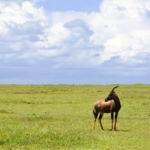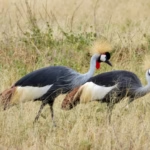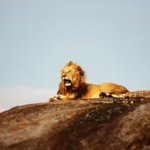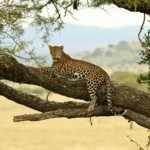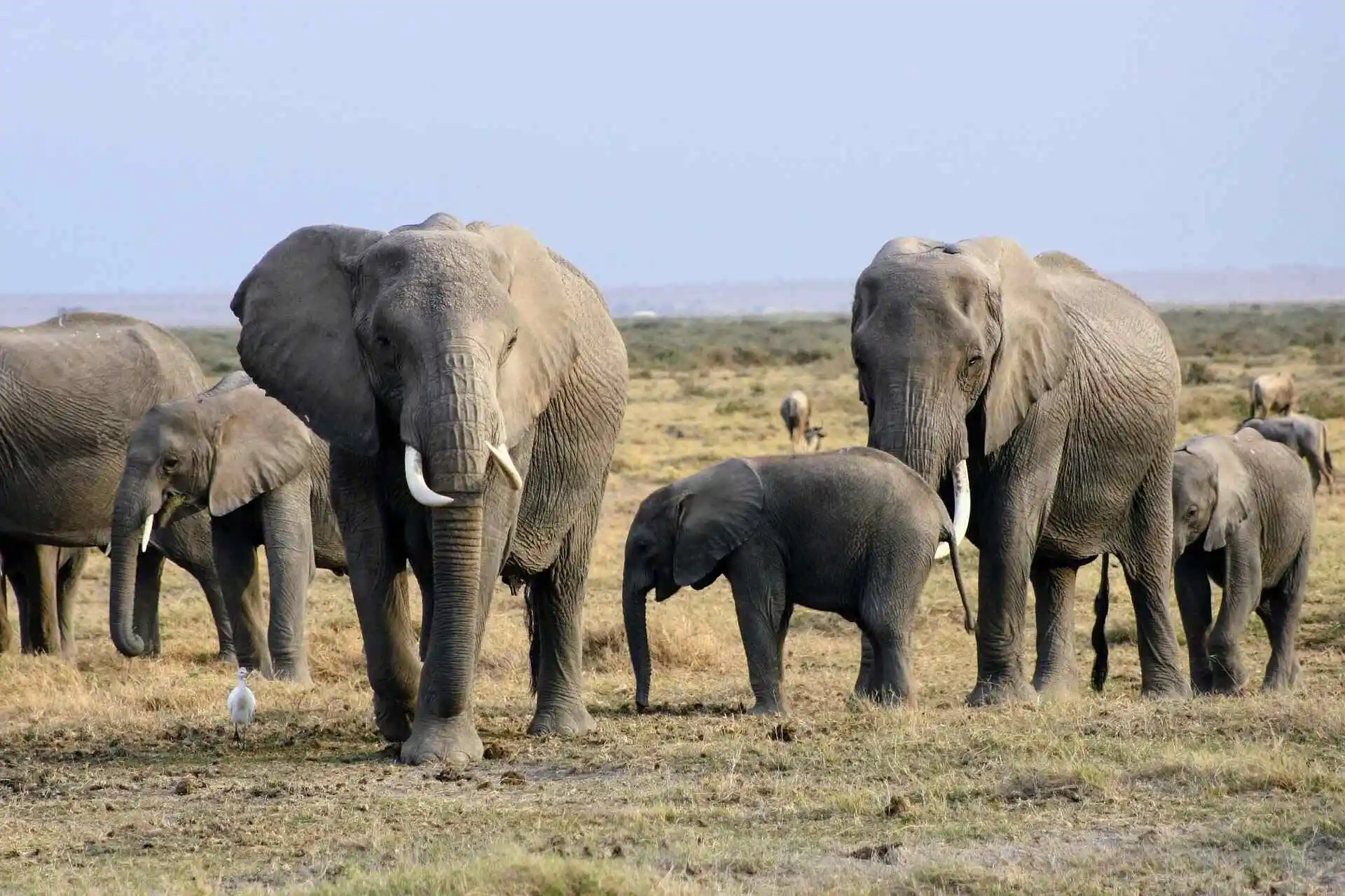
August is a special month in the Serengeti: the landscape is dry, the mornings are cool and animals are easy to spot. Grasslands turn from green to brown, as the vegetation dries out. Many animals can be seen walking across open plains or gathered around permanent water sources. August is a great month to go on a game drive, take amazing photos and discover the wilderness of the Serengeti.
One of the highlights of a safari in August is the Great Wildebeest Migration. Large herds of wildebeest and zebras can be seen crossing the Mara River in the Northern Serengeti. However, crossings are unpredictable: they depend on the weather, availability of grazing land and the movement of the herds.
Is August A Good Month To Take A Safari In The Serengeti?
Yes, you should definitely consider taking a safari in the Serengeti in August: it is a great period to witness the dry-season wilderness and the Great Wildebeest Migration.
Lions, leopards, cheetahs, elephants, giraffes, zebras, buffaloes and various antelope species can be found all over the Serengeti. During the dry season, animals are easier to spot: they gather around permanent water sources and the vegetation becomes less dense. The Great Wildebeest Migration is also a highlight of a Serengeti safari in August: you have a high chance of witnessing a river crossing. However, crossings are hard to predict: they depend on the weather, the availability of grazing land and the movement of the herds.
In addition, August is the peak season for game viewing in the Serengeti: be sure to book your accommodation in advance, especially if you are interested in northern circuits. Allow enough time for your game drives to make the most of your safari.
What Is The Weather Like In The Serengeti In August?
The dry season is in full progress during August in the Serengeti. There is little rain and plenty of sunshine: cold mornings and warm afternoons are common in August. The temperature varies depending on the altitude and the time of the day: it is advisable to wear warm clothes when getting ready for a game drive or when leaving the vehicle at night. During the day, it is best to wear light clothes. As the vegetation dries out, the landscape acquires a golden-brown color. However, the decreased density of vegetation makes animals easier to spot. The roads can be dusty, which may interfere with your photographs.
It is recommended to wear warm clothes when leaving your accommodation or a safari vehicle in the morning or in the evening. In addition, sunglasses, sunscreen and a hat will protect you from the sun. A scarf will also keep you safe from dust: it is a common sight in the Serengeti during the dry season.
What Wildlife Can I See On An August Safari?
August is a great month to witness the Great Wildebeest Migration as well as enjoy the local wildlife.
Lions, Leopards And Cheetahs
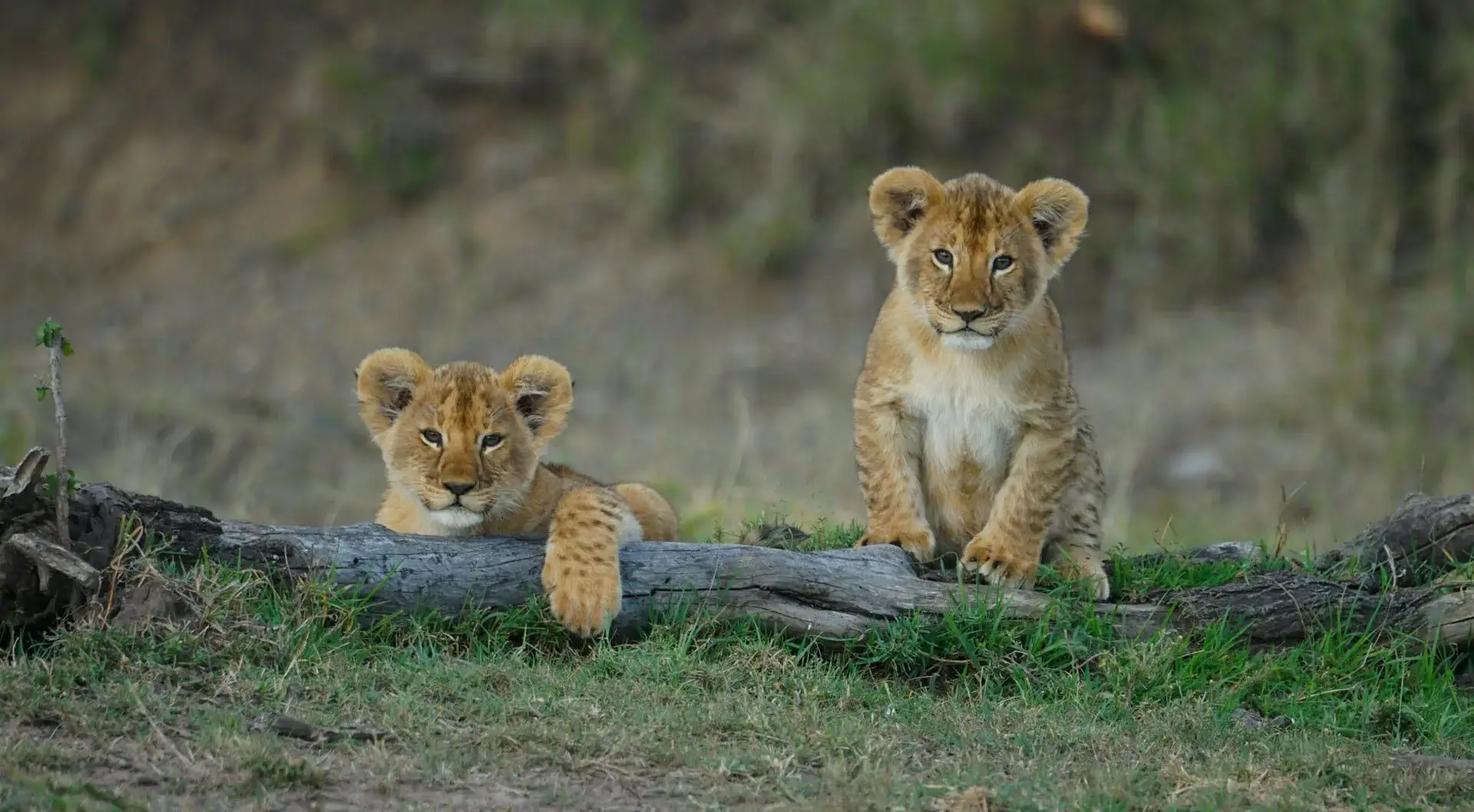
Lions can be found virtually everywhere in the Serengeti. They tend to be inactive in the heat of the day and become more active when the temperature drops. Your guide will know the best places to spot them: they usually follow the animal tracks, leopard alarm calls and other signs. Leopards are often found resting in trees or along forest edges. Cheetahs are most commonly associated with the grasslands: they are fast, which allows them to lead a nomadic life. Your chances of seeing them depend on your route and the time of your game drives.
Spotted hyenas, as well as other predators, can also be seen in the Serengeti: watch out for them during your game drives.
Elephants, Giraffes And Grazing Herds
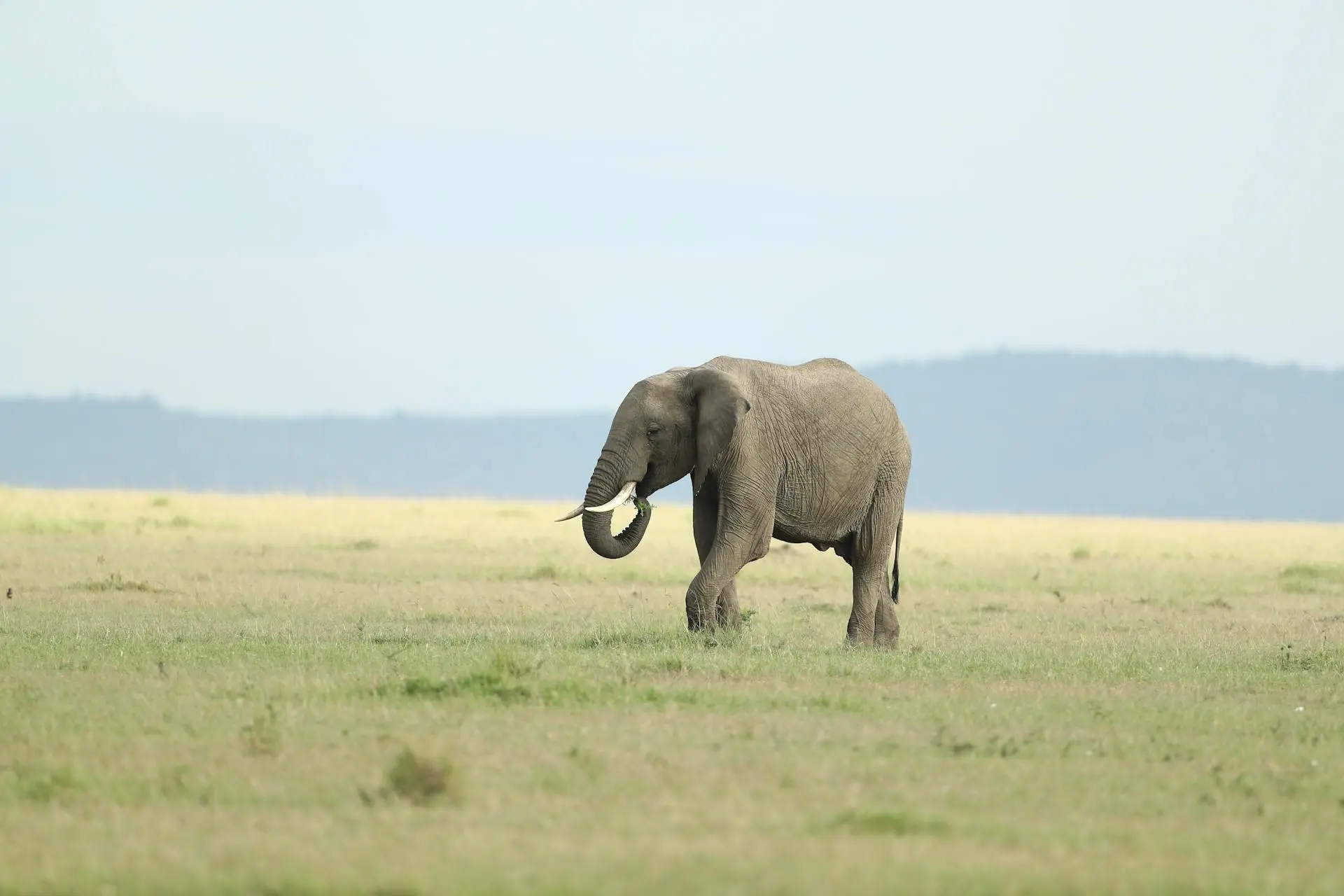
Elephants, giraffes, zebras, buffaloes, elands, impalas and several other herbivore species call the Serengeti their home. Their local populations are in constant movement: they head to new areas in search of food and water. During the dry season, animals are easier to spot because of the lack of vegetation and the presence of permanent water sources.
The wildlife you will see during your game drives depends on the region you are visiting and the time of your arrival there. Be sure to spend several days in a place to increase your chances of spotting its unique animals. Your local guide will also give you advice on the best time to visit a certain region.
Birds And Small Animals
The birdlife is abundant in the Serengeti. Many species, including eagles, vultures and hornbills, can be seen across grasslands, woodlands and riverbanks.
In addition to large animals and birds, you will also be able to see jackals, hyenas and other small creatures during your game drives. A keen eye is essential when spotting them.
Where Should I Go On An August Safari?
The region you should visit in August depends on your personal preferences, the length of your trip and the migration activities in the area.
The Northern Serengeti
The Northern Serengeti is a great option for an August safari: you will have a good chance of seeing the Great Wildebeest Migration. This region offers a variety of landscapes: grasslands, rolling hills, woodlands, riverine habitats and more. The Mara River is a major landmark of the area: wildebeest and zebras often gather along its banks. Nile crocodiles can also be seen in this part of the Serengeti. Kogatende is a great place to base yourself when exploring the Northern Serengeti. However, remember that the herds travel long distances daily, which means that your game drives may not be productive if you miss the crossing. The wilderness of the Northern Serengeti is also perfect for game drives: lions, elephants, giraffes and other animals can be seen outside the river crossing grounds.
The Western Corridor
The Western Corridor offers prime wildlife photography opportunities. Open grasslands, woodlands and the Grumeti River are some of the highlights of this region. However, the Great Wildebeest Migration has already moved north by August. You will still be able to see lions, leopards, elephants, zebras, buffaloes and various antelope species. Hippos and crocodiles can also be seen in the wetlands and along the river banks. The Western Corridor is a good option if you want to see a different landscape and visit some lesser-known attractions. However, keep in mind that the herds will be further north in August.
The Central Serengeti And Seronera
The Central Serengeti is a fantastic place for a safari in August. Seronera is the region’s center: it offers a great diversity of wildlife and landscapes. You will be able to see lions, leopards, cheetahs, elephants, giraffes, buffaloes and several antelope species. The animals in this region are permanent residents of the Serengeti, which means that you will be able to see them regardless of the migration activities. This area is also a great choice for those who want to spend several days in a single region and enjoy its natural beauty and wildlife.
The Eastern Serengeti
The Eastern Serengeti offers fantastic photo opportunities: you will be able to capture the beauty of the African wilderness. Rolling hills, plains and kopjes will provide striking background for your photos. Cheetahs can also be seen in this region. The Eastern Serengeti is a great place for a more laid-back safari. However, be aware that the region has few attractions linked to the Great Wildebeest Migration. Discuss your options with your guide to determine whether traveling to the Eastern Serengeti is a good idea in your particular case.
How Does The Great Wildebeest Migration Move In August?
The Great Wildebeest Migration consists of hundreds of thousands of wildebeest, zebras and other grazing animals. They move across the Serengeti and into the Maasai Mara in Kenya in search of food and water. The animals’ journey is circular, which means that they return to the Serengeti after entering Kenya.
The Great Wildebeest Migration is usually found in the Northern Serengeti in August: large herds of wildebeest and zebras can be seen following the Mara River. The animals are in search of new grazing lands and water sources. Each group moves independently, which means that their routes can overlap or diverge. The river crossing is a thrilling experience: wildebeest and zebras need to reach the other side of the Mara River, where more food and water can be found. However, they have to overcome several natural barriers, including rocky banks and waiting crocodiles.
Can You See Mara River Crossings In August?
Yes, crossing the Mara River is one of the highlights of a Serengeti safari in August. Large herds of wildebeest and zebras can be seen gathering at the river banks. However, it is impossible to plan a river crossing in advance: animals only start crossing when they feel like it. They may spend days waiting for the right time to jump into the river. Your guide will do his best to ensure that you witness this spectacular event. Remember that crocodiles populate the Mara River: they are patient and powerful and will not hesitate to grab a meal.
Spending several nights in the Northern Serengeti is the best way to increase your chances of witnessing a Mara River crossing. In addition, you should keep your itinerary flexible to follow the herds. Even if you do not see the animals crossing the river, you will still be able to enjoy the breathtaking beauty of the African wilderness.
What Can I Experience On An August Safari?
Witnessing The Great Wildebeest Migration
Large herds of wildebeest and zebras can be seen in the Northern Serengeti during August. They are in search of new grazing grounds and water sources. This migration is one of the wonders of the Serengeti: every year, hundreds of thousands of animals travel hundreds of kilometers in search of food and water. Your experienced guide will do his best to follow the herds and offer you unforgettable views. Wildlife photography enthusiasts will also enjoy the spectacle of a large herd crossing the Mara River.
Photographing The Wildlife And Landscapes
The dry-season landscapes offer incredible opportunities for wildlife photography. Rolling hills, plains, kopjes, woodlands and the Mara River are some of the highlights of an August safari. Early mornings and late afternoons are the best time to take photos: animals are more active and the light is not as harsh. In addition, the clear air offers great visibility. A good camera with a large focal length will help you capture the beauty of the African wilderness. The dry-season dust can clog your camera’s sensor, so it is advisable to bring a camera cover, extra batteries and memory cards.
Enjoying The Dry-Season Game Drives
Daytime temperatures are warm but comfortable and the nights are cool in August: this is the best season to go on a game drive. Animals are easy to spot, especially when following the tracks. Many of them gather around permanent water sources, making the dry-season game drives even more productive. Early mornings and late afternoons offer the best photo opportunities. An experienced local guide will know the animals’ tracks and behavior and will be able to take you to the best places to spot wildlife.
Choosing Accommodation And Planning Ahead
August is a busy season in the Serengeti: it is a great time to visit, but your itinerary should take this into account. Your accommodation choices also depend on your personal preferences and the length of your trip.
Those who want to see the Great Wildebeest Migration have to consider the time it takes to get from one area to another. Travelers who are more interested in the local wildlife have more options: they can base themselves in one region and spend several days there to increase their chances of spotting its unique animals.
It is advisable to book your accommodation well in advance: this way, you will be able to choose between camps that offer different levels of comfort and services. Do not forget that August is the peak season: prices may also depend on the time you spend in a particular area. Keep your itinerary flexible to allow enough time for your game drives. Lastly, remember that your local guide’s knowledge and experience will greatly impact your safari.
August Or Other Months: Which Safari Season Is Better?
| Comparison Factor | August | Other Months |
|---|---|---|
| Weather | Often dry and sunny | Rainy seasons from March–May and short rains in November |
| Wildlife Viewing | Often good visibility in open habitats | Calving season and active predators from January–March |
| Landscape | Dry grasslands and dusty tracks | Lush, green landscapes during rainy months |
| Crowds And Prices | Peak season in some areas | April–May is generally quieter and cheaper |
| Great Wildebeest Migration | Found in the Northern Serengeti | Calving in the south, then herds move north and west |
| Best For | Dry-season game drives and crossings | Calving season, birdwatching and green scenery |
Experiencing Wildlife Adventures In The Serengeti In August Offers Unforgettable Opportunities
August is a great month to witness the beauty of the dry-season wilderness and experience the Serengeti’s diverse wildlife. The Northern Serengeti offers fantastic opportunities to follow the Great Wildebeest Migration, while the Central Serengeti provides prime wildlife-viewing opportunities. Mara River crossings are an unforgettable highlight of an August safari, but they are unpredictable and hard to follow.
Choosing the right accommodation, keeping your itinerary flexible and spending enough time in one region will greatly impact your safari. With the right planning and professional local assistance, your adventure will offer wonderful wildlife-viewing opportunities and help you discover the breathtaking beauty of the Serengeti.