May sees changes in the Serengeti as the long rainy season begins to ease. The grasslands remain green, rivers and seasonal streams carry water, and wildlife continues to move across the plains. The Great Wildebeest Migration may pass through the central and western parts of the ecosystem during this period. Although rain can still affect road conditions, you can enjoy a safari during this quieter period.
Is May the Right Time for a Serengeti Safari?
May can be a great time to visit the Serengeti with the green scenery and you avoiding the busy safari seasons. Rainfall may continue during part of the month, but conditions can vary and some days will see blue skies and sun. The wildlife in the Serengeti remains the same, but getting around in the rainy season can mean muddied roads and animals hidden by the tall grass.
May offers a chance for a more relaxed safari with fewer fellow tourists and time to watch the land change from the long rains to the drier months. It may not be the best time if you want to see the wildebeest migration, but keep an eye out for recent herd movements.
How Does the Serengeti Change During May?
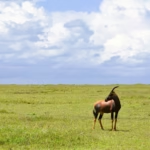
The Serengeti often looks lush and green during the month of May. Grass grows across the open plains and trees put on fresh leaves to add to the feeling of moisture in the air. The landscape is full of seasonal water sources across the region, which can see wildlife following specific tracks and trails. The clouds gather on the horizon and break through to show off the sunrise.
Rainfall typically begins to ease as the month progresses, although it is not the same across the whole of the ecosystem. Some areas may begin to dry out before others, and certain tracks will still be muddied after heavy rainfall. Localised conditions can make it hard to get around certain parts of the region.
Temperatures are generally warm during the day, with cooler mornings and evenings. Conditions can vary depending on the height and your location. It is a good idea to bring a waterproof jacket, clothes that dry quickly, and a warm layer for the early game drives.
May offers a chance to see the change in scenery, with green plains contrasting with the skies. Instead of seeing the typical dry-season landscape, you can watch the clouds gather and roll above the grasslands and see animals wandering through the fresh growth.
Which Animals Can You Encounter on a May Safari?
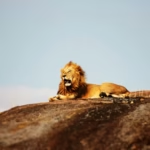
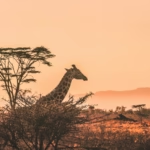
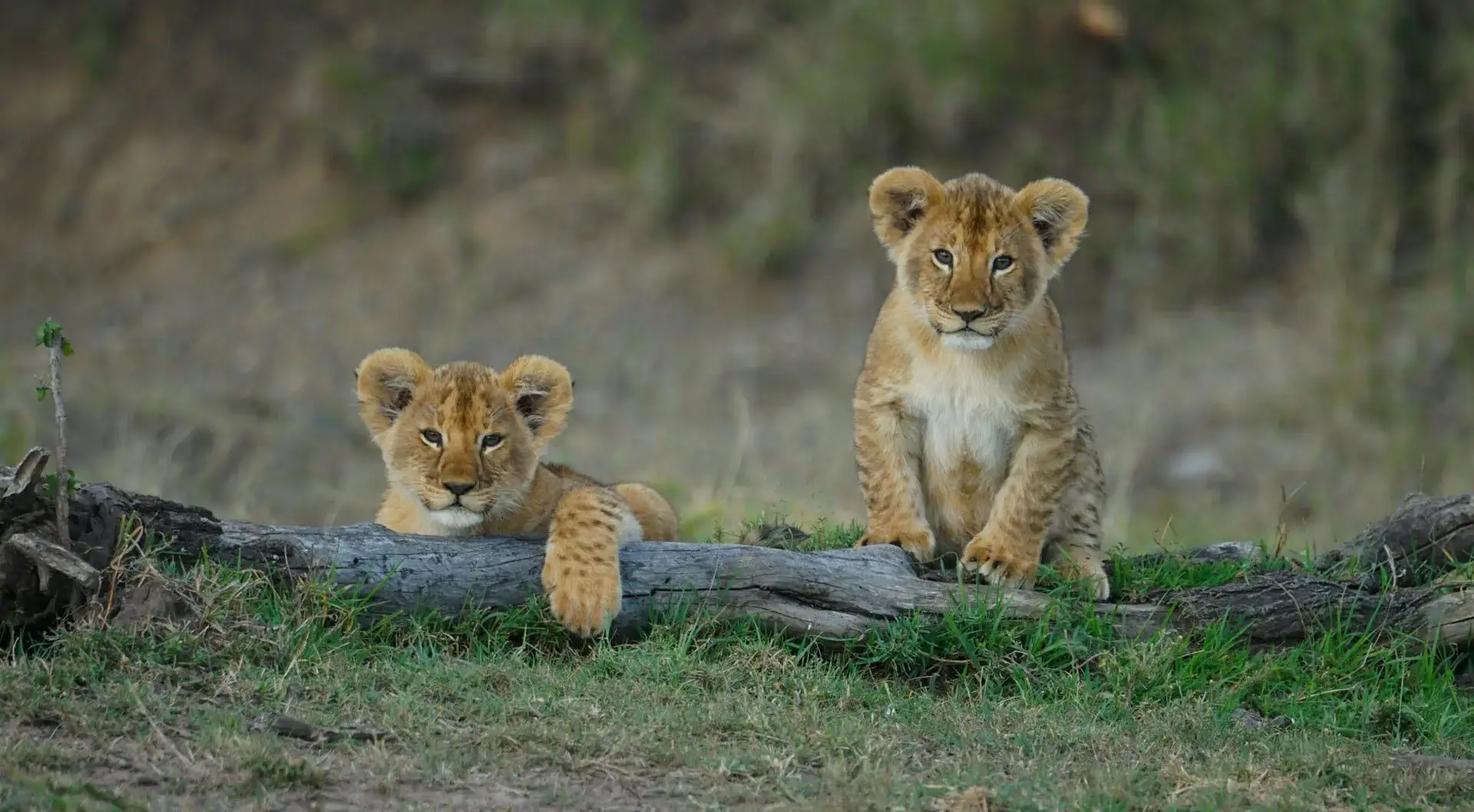
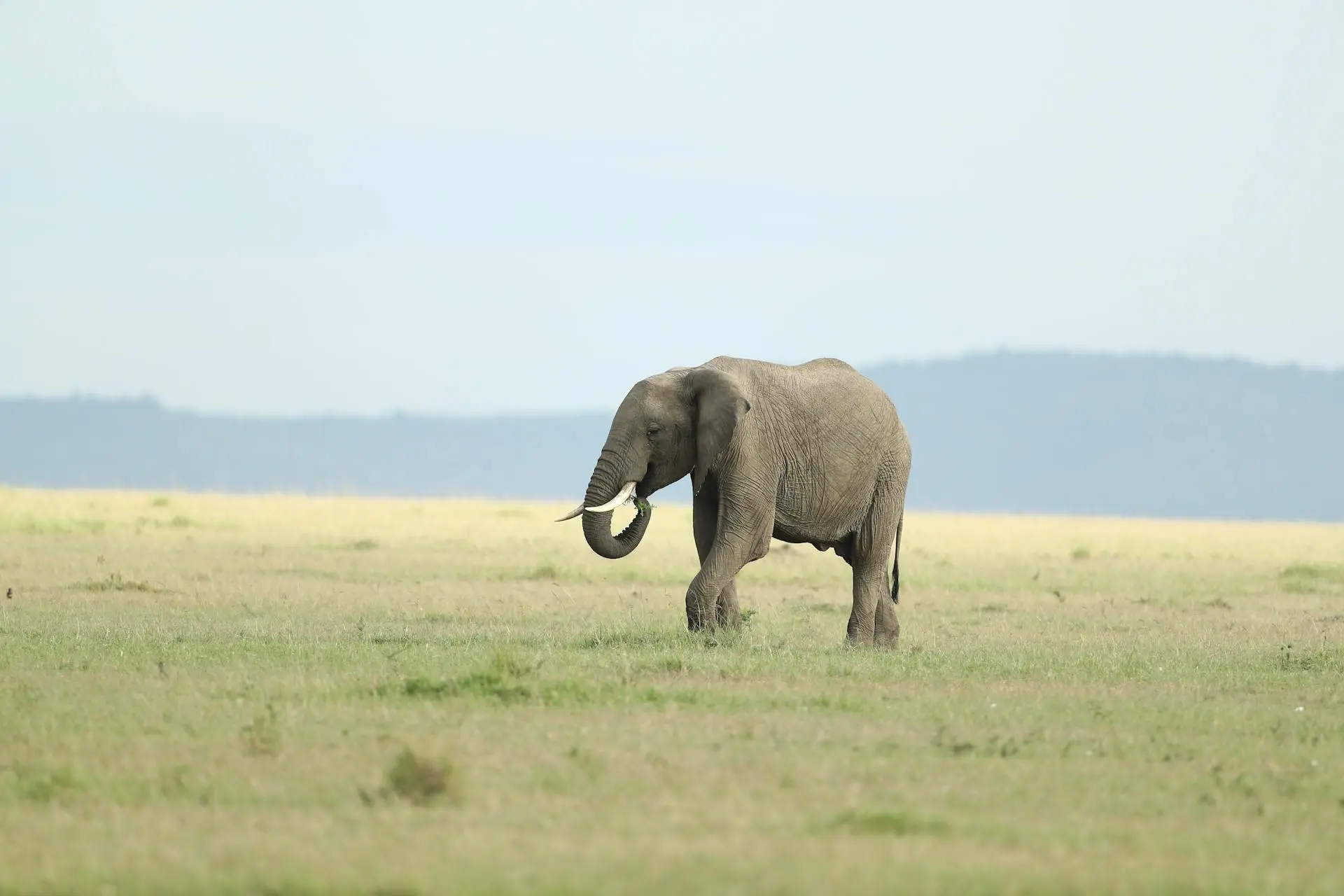
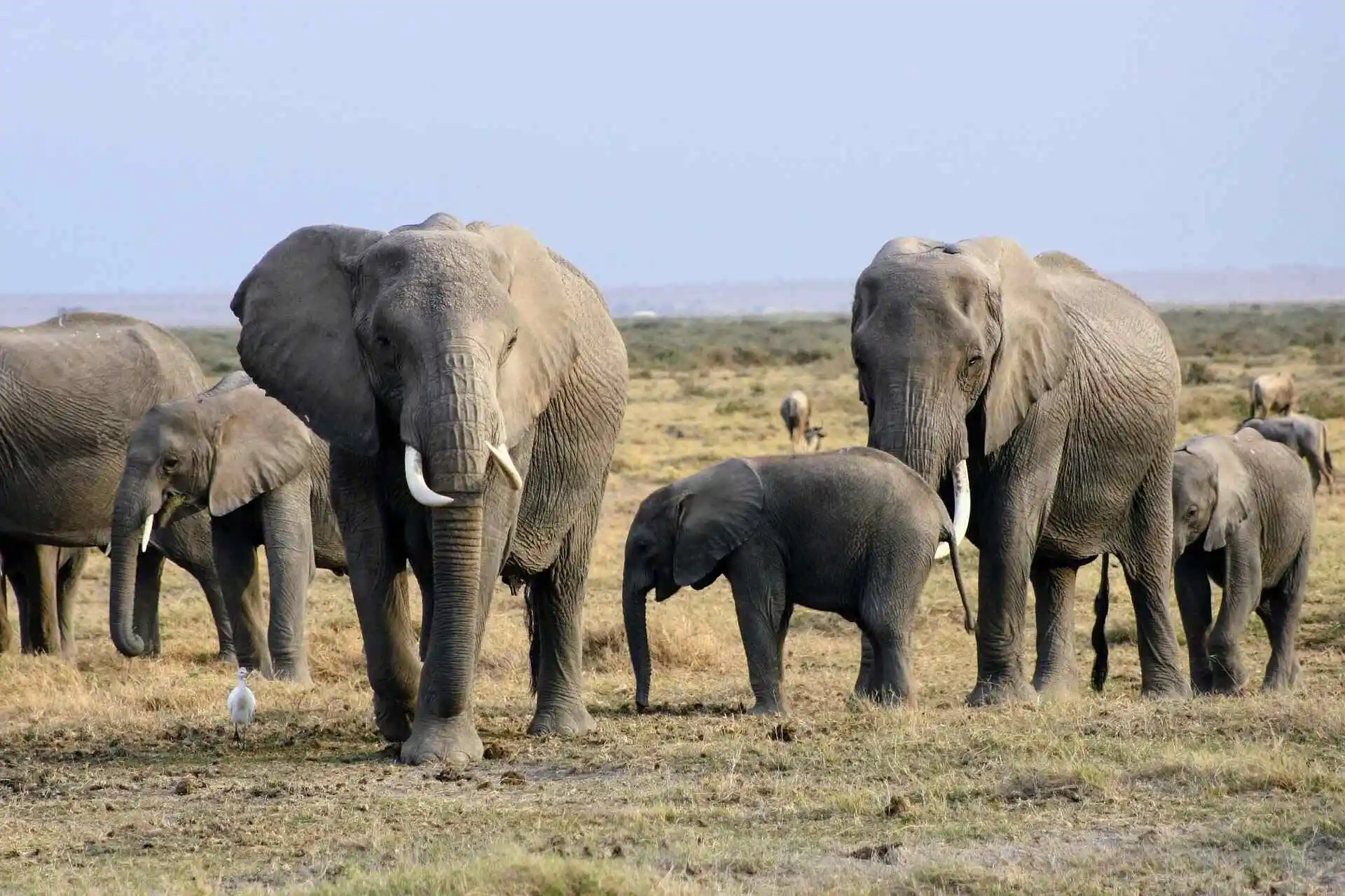
May offers the chance to see many of the Serengeti's year-round residents. Lions laze in rocky outcrops, elephants wander from one feeding ground to another, and giraffes reach up to the leaves of the trees along the plains. You can also spot zebras, buffaloes, antelopes, and a wide array of bird species on a game drive.
The main attraction for a safari during this time is the migration. Wildebeest and zebras are fascinating to watch, with large numbers of animals travelling together in search of greener pastures. The herds are not always easy to find, but following seasonal conditions shows the best places to look. Some animals have begun to head west, while others have paused their journey.
Predators often follow closely behind the grazing herds, but there is no guarantee of seeing any big cats or other carnivores. The tall grasses can hide animals that have taken shelter, and smaller creatures such as rodents and insects can be plentiful. A good guide will be able to point out any animal signs so that you know where to look.
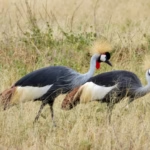
Birdwatching is another highlight for a safari in the Serengeti during May. The open grasslands, woodlands, and seasonal wetlands offer a range of habitats for many species. Spotting game can sometimes be difficult, but looking out for the smaller things in the landscape can yield surprising rewards.
Where Should You Go for a Safari in May?
The central Serengeti, and in particular the area around Seronera, is a fantastic place to be during May. The region offers a mixture of open plains, rocky kopjes, and wooded areas that can see a wide variety of animals. The year-round residents will always be present, and with more space to roam, you can have a more flexible itinerary to fit in with your interests. You can also see wildebeest herds passing through the central plains on their way west.
The Western Corridor becomes more important as the migration moves further into the region. The area follows the rivers and open grasslands that draw many of the animals, but rain can make it tricky to get around. You should consider recent conditions before deciding on which camp to use, as the roads can be affected by the weather.
Your choice of accommodation should reflect the areas you wish to explore, recent wildlife sightings, and road conditions. Sticking close to a good game-drive area will avoid long journeys and let you spend more time enjoying the safari.
How Does the Wildebeest Migration Progress in May?
The Great Wildebeest Migration often moves across the Serengeti from the south towards central and western regions during May. The herds follow seasonal patterns to find new grazing grounds as the rainfall begins to ease. The migration is an annual event that also sees zebras and gazelles following similar routes.
The herds will vary in size and speed as they follow the best conditions for feeding and avoiding predators. Some wildebeest have already moved west, while others continue to head in that direction. Migration conditions are difficult to predict, but you can always ask your guide about recent sightings and sightings in your area.
May also sees an increase in breeding among the wildebeest as they continue on their journey through the Serengeti. Males will try to stake their claim and can be seen battling for the right to mate. Your game drives are more likely to see large numbers of these fascinating animals, but you should always keep an eye out for other wildlife.
Travellers hoping to see the migration should keep an eye on recent herd movements. There is a good chance that conditions will change quickly, and a camp that was good a week ago may no longer be suitable. Your guide should be able to help plan your game drives to follow the herds.
What Can You Experience on a May Safari?
Seeing the Herds Move Across the Plains
Witnessing the herds of the Great Wildebeest Migration is an unforgettable experience on any safari. During May, you can see some of these impressive animals as they journey through the central and western parts of the Serengeti. Large numbers of wildebeest can stretch out across the grasslands, with herds of zebras travelling alongside them.
Wildebeest and zebra sightings are both dependent on the time of your visit, but a few days' worth of game drives will increase your chances of seeing them. Migration animals are always on the move, and finding the best vantage point means letting your guide know where you would like to look.
Finding Predators in the Green Grasslands
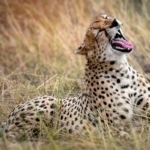
The Serengeti is home to a range of predators that can be found across the region. Lions, leopards, cheetahs, and spotted hyenas can all be seen, but each has its own preferences when it comes to hunting and resting. Big cats can often be found sleeping in rocky outcrops or beneath the shade of trees during the hottest part of the day.
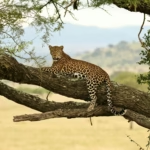
Leopards tend to be more elusive, with their preference for woodland areas, while cheetahs stick to more open spaces. The rainy season can make it harder to spot any of these wonderful animals, but a good guide will lead you to the best places to look.
Exploring the River Valleys and Woodlands
Although the Serengeti is known for its grasslands, there are also a number of different habitats that are well worth exploring. Following the rivers and valleys can uncover new wildlife, while the scattered woodland can be a good place to spot some of the region's elusive animals. Elephants can be seen wandering through the trees in search of food, while birds take advantage of the local water sources.
Each habitat offers something a little different, and a game drive through one of these areas is always a good idea. Your guide will know the best places to look depending on the time of your visit and what animals you are hoping to see. The varied landscape is even more interesting during May, with the greenery stretching out across the plains.
May's conditions can make it harder to get around certain areas, but your guide should pick routes that avoid the worst of the rain. Photographers should make the most of the conditions, with the clouds adding interest to many shots. Extra care should be taken with electronic equipment, and spares should always be kept somewhere safe and dry.
Enjoying Wildlife Away from Peak-Season Crowds
May tends to be a quieter time of year for many of the Serengeti's camps and lodges. Some areas are popular with safari-goers all year round, but you are more likely to find fewer cars during your game drives. Lower visitor numbers mean a more relaxing safari, but it does not mean that every part will be empty at the same time.
Accommodation options can vary greatly, with some camps offering cheaper rates during this time of year. You should always keep in mind that popular areas for game drives are likely to attract more visitors. Serengeti safaris in May offer excellent value for wildlife spotters who want to enjoy the scenery without the crowds.
What Should You Prepare for Before Visiting in May?
Preparing for Unpredictable Showers
May falls at the end of the long rainy season, but unpredictable showers can still put a dampener on your safari. Some days will be completely sunny, while others can be grey and miserable. You should always come prepared with warm clothing, waterproof clothing, and bags to keep your belongings safe. A warm layer is always a good idea for early morning drives, and a good guide will know when to pack it away again.
You should be flexible with your plans, as conditions can change quickly. Your guide will know the best time to head out or change course if the weather does not look good. Extra care should be taken with cameras, and spares should be kept somewhere safe and dry.
Planning Around Wet and Uneven Roads
Rainfall can mean muddy and slippery tracks that are best avoided unless you have a four-wheel drive. Conditions can be more challenging, with roads taking longer to clear after heavy rainfall. Your driver should know the best ways to avoid the worst of the muddied ground, but you should make sure to ask about road conditions before setting off on any game drives.
If you have a scheduled flight, you should always allow extra time for transfers. A little extra flexibility with your plans can prevent many issues with the weather.
Choosing Where to Follow the Migration
The wildebeest herds can move across a range of different areas during May. Your itinerary will need to take this into account, as a change in the herds' course can mean you are further away from any large gatherings of animals. You should look into recent sightings before choosing accommodation and discuss options with your safari operator.
Remember that wildlife sightings are not guaranteed, and a good safari will make the most of the opportunities that arise. You should always ask about the likelihood of seeing the herds and what other game drives are available if you change your plans.
Checking Camp Availability Before Travelling
Some camps tend to close or offer fewer services during the long rains. Others remain open throughout May, with more options for game drives and other activities. You should always confirm the availability of your preferred camp before making any travel or transfer arrangements. It is a good idea to ask about road conditions and what changes might take place due to the weather.
You should also double-check what is included in your safari package. Knowing how long your transfers will take and what game drives are available will prevent any unpleasant surprises.
May or Other Months: Which Safari Season Suits You Best?
May offers green landscapes and the opportunity to see the Great Wildebeest Migration as herds travel through central and western parts of the Serengeti. Rain can still affect road conditions, and animals can be harder to spot in areas with tall grass. However, the quieter atmosphere can appeal to those who like to travel without the crowds.
January and February see the wildebeest calving season in the southern Serengeti, while March and April tend to see heavier rainfall. May marks a transition towards the drier months, but the weather does not change at the same pace across the whole of the ecosystem. June to October tend to bring drier conditions with firmer roads across much of the park. The migration continues through different regions during these months, and the northern Serengeti becomes important later in the season.
| Feature | May: Changing Migration Landscapes | June–October: Dry Season | January–February: Calving Season |
|---|---|---|---|
| Wildlife Viewing | Resident wildlife and herds moving through the ecosystem | Often easier spotting in open areas | Opportunities to see newborn wildebeest |
| Landscape | Green plains with gradual seasonal changes | Drier, golden grasslands | Green southern plains |
| Crowds | Often quieter, depending on location | Busier in popular wildlife areas | Varies with migration activity |
| Weather | Showers may continue as the rains ease | Mostly dry with cooler mornings | Warm conditions with occasional showers |
| Birdwatching | Variety of birds across grasslands and woodlands | Good opportunities to see resident birds | Seasonal and resident birdlife |
| Migration | Herds may move through central and western areas | Herds move through different regions during the season | Large herds commonly gather in the southern plains |
| Accommodation Prices | Seasonal rates may be available | Often higher during peak periods | Vary by camp and migration demand |
Final Thoughts on Visiting the Serengeti in May
May offers a different opportunity to experience the Serengeti with green grasslands, changing skies, and wildlife moving through a landscape affected by the long rains. The Great Wildebeest Migration may pass through the central and western parts of the ecosystem, but resident animals continue to offer opportunities for memorable sightings.
Weather and road conditions should be taken into account, but there are plenty of other things to enjoy on a safari during this time of year. You should check the operating dates of your preferred camp, ask about current conditions, and keep your plans open to change. Recent migration sightings can also help you choose an area that fits with your interests.
If you enjoy watching the wildlife along with the scenery and can adapt to the changing conditions, then May can be a wonderful time to visit the Serengeti. With a good base and an expert guide, you can find a whole new side to this incredible region.