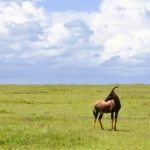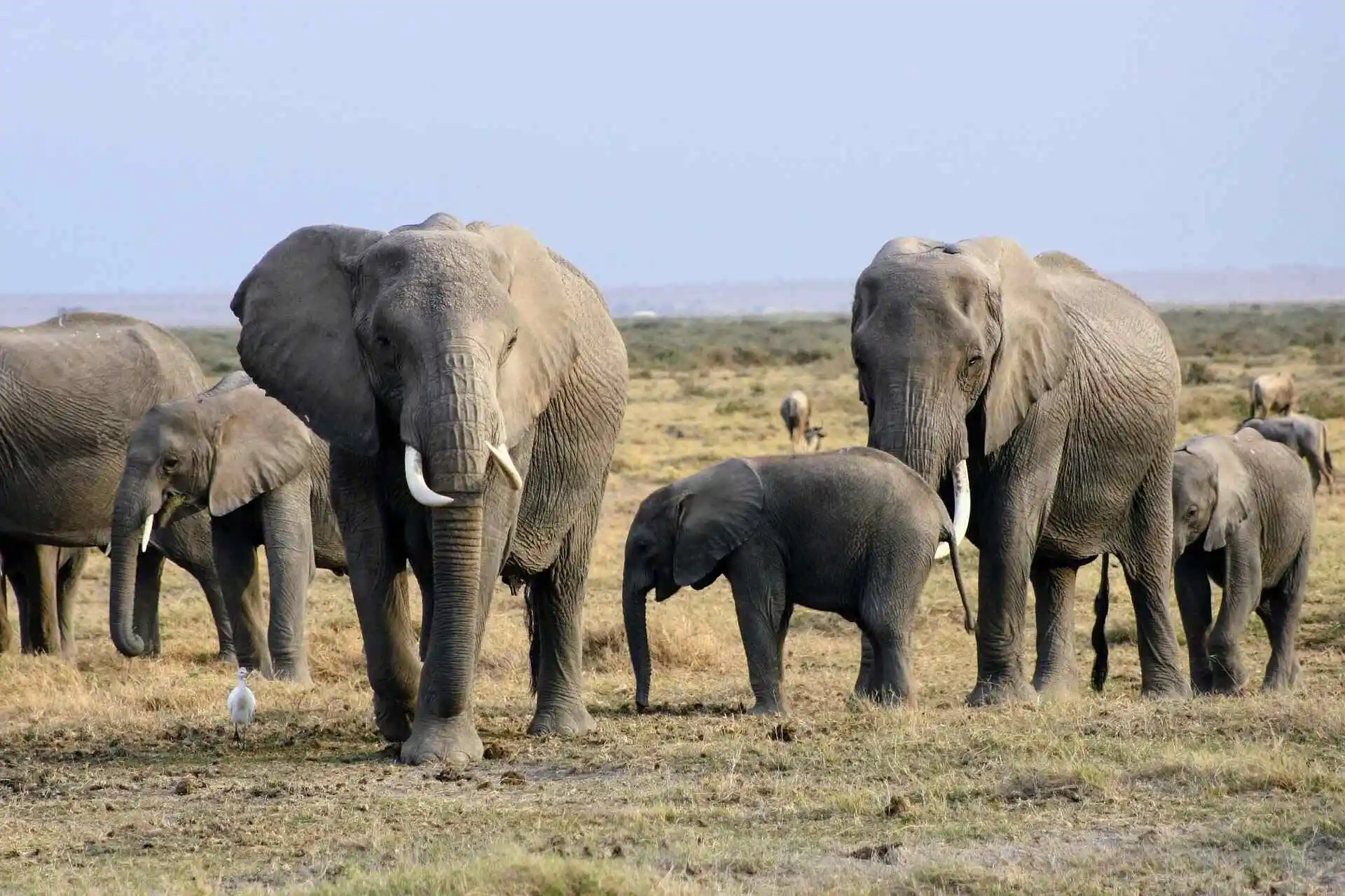
In March the Serengeti has green grasslands, the weather begins to change and there is a great deal to see on a safari. The southern plains could still have large groups of wildebeest and zebras. The young calves go with their mothers, while lions and hyenas look for food around them. It becomes more frequent to have rain as the month goes on, but there are still many chances to visit the park and observe the wildlife in its natural environment.
Is March a Good Month to Visit the Serengeti?
March is a suitable month to go to the Serengeti, particularly if one likes green landscapes and observing the behaviour of animals; the wildebeest and zebras can still be found over the southern plains and the predators usually follow these herds.
The weather may change throughout the day, so you could have a pleasant sunny drive in the morning and then come across rain in the afternoon. There's also the matter of birdwatching, which is one of the reasons to visit during this time of year. March should be given some thought if you want a safari that includes both wildlife viewing and more peaceful times in nature.
Weather in Tanzania in March
In the Serengeti during March the days are warm and the temperature usually hits about 24°C to 29°C; at night and in the early mornings it can be cooler, especially in the higher regions. As Tanzania approaches the long rainy season, rain becomes more common.
On certain days there are short showers, but on other days the rain lasts for a longer time. The grass remains green and the changing weather can make the plains appear a great deal different from one day to the next. It's a good idea to take light clothing, a waterproof jacket and a warm layer for the early morning game drives.
Is March a Good Time to Go on a Safari in the Serengeti?
March is a beneficial month for a safari since the green scenery is quite noticeable and the southern Serengeti could still have a good amount of wildlife; the wildebeest, zebras, gazelles and other grazing animals move over the plains and draw in the predators.
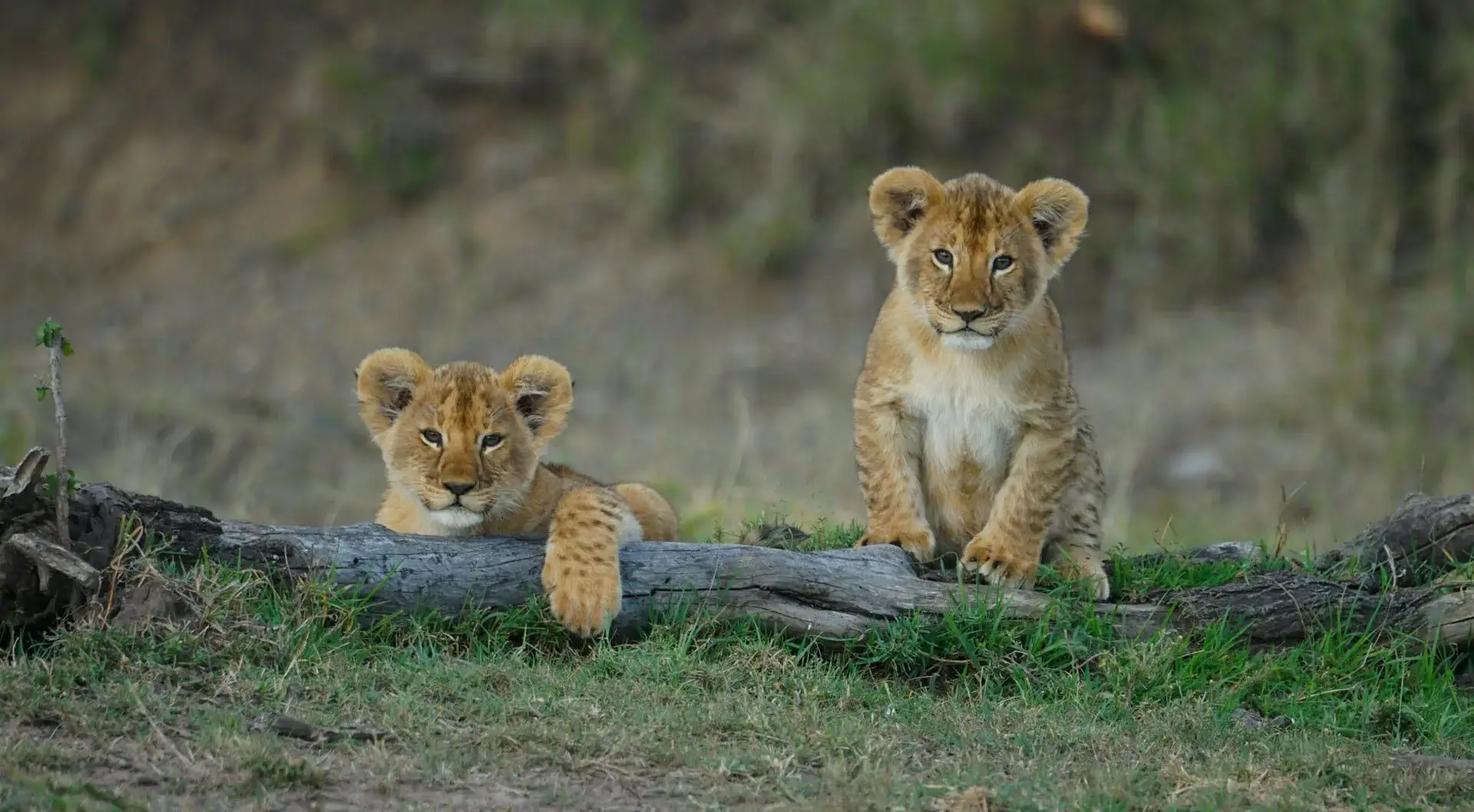
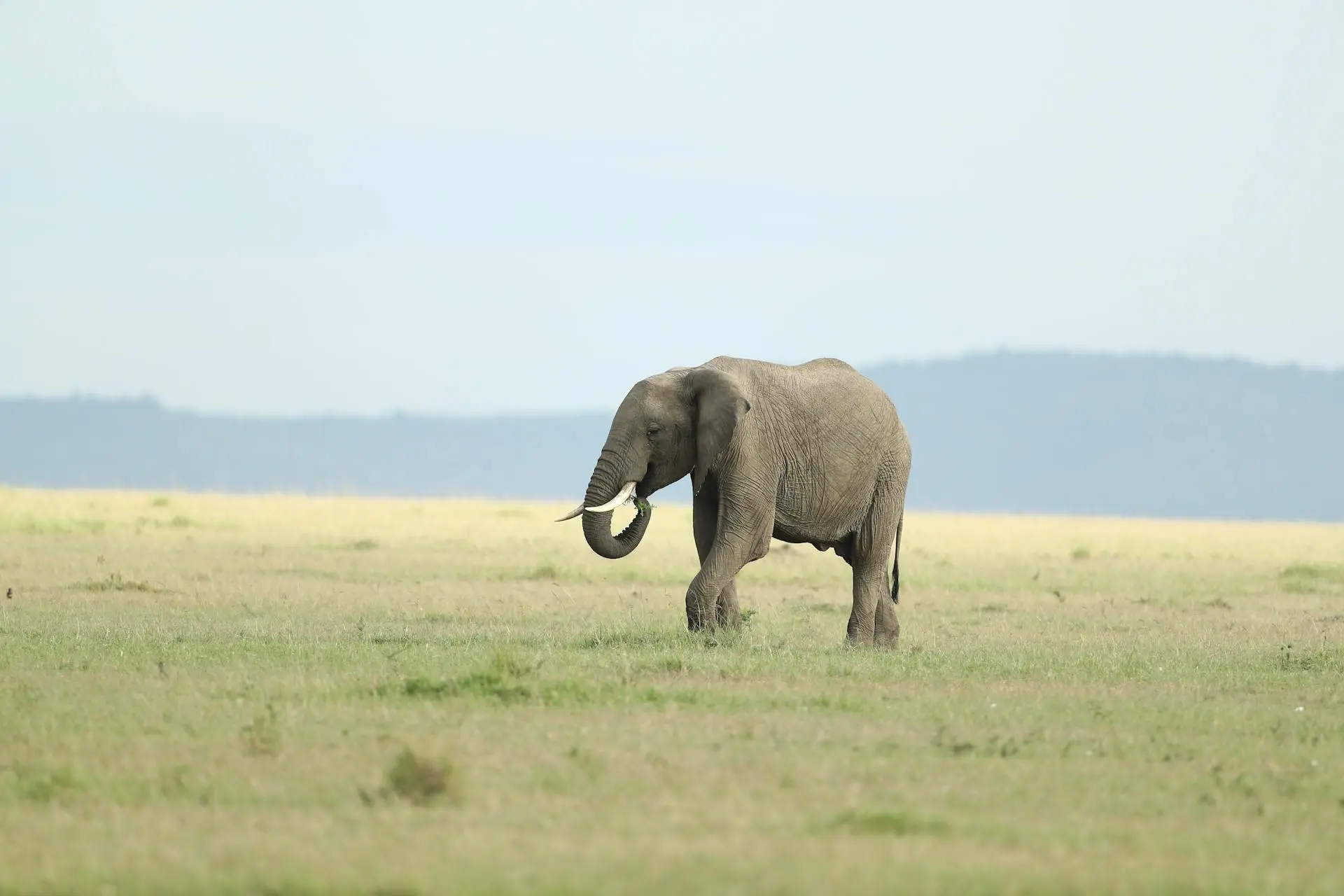
You could witness lions lying among the grass, elephants travelling through wooded regions, or giraffes feeding on the trees. The chances of seeing these animals will vary according to the place you are visiting and the way the animals move during the day. Additionally, rain can have an effect on certain tracks, so it's a good idea to remain flexible about your plans.
Photographers will find the green grass together with the cloudy skies to be very different from the landscape in the dry season, and birdwatchers have plenty to enjoy as well during their drives.
Where Should You Direct Your Safari?
In March the southern Serengeti and the Ndutu region should be taken into account since the wildebeest herds could still be feeding in that area after the main calving period; their movements are determined by the rainfall and by the availability of fresh grass and therefore their precise position may change.
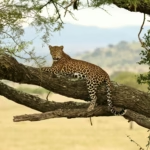
The central part of the Serengeti is also a fine choice since it has a combination of open plains, rocky outcrops, and woodland which allows wildlife to be found all year round. During their visit, tourists can see lions, elephants, giraffes, and a number of antelope species.
Before you decide which camp to go to, find out about recent wildlife movements and the current state of the roads. By staying near the area you plan to explore, you can avoid long drives and have more time for watching the game.
Where Can the Great Wildebeest Migration Be Found in March?
In March the Great Wildebeest Migration usually stays in the southern Serengeti and the Ndutu plains. Yet it does not adhere to a strict timetable, since both rainfall and the availability of good grazing affect its movements, and some of the herds may start to shift towards other areas of the ecosystem.
By this point, many of the calves that were born earlier in the year have grown stronger and move about with the herds as the wildebeest and zebras search for food. Predators can sometimes be spotted nearby, even though the encounters differ from one game drive to another.
If booking your accommodation is mainly because you want to see the migration, it's a good idea to check the latest updates first. Having a camp in the correct area can actually make a real difference to your safari days.
March Highlights: A Reason to Visit Then?
Young Wildebeest on the Plains
In March there is still the possibility of seeing the young wildebeest moving with their mothers, since a large number of calves were born in January and February, which is usually the main calving period on the southern plains.
It is interesting to watch the herds even if there is no dramatic action. The calves learn to keep up with the group, the mothers remain near their young, and the animals spend a great deal of the day grazing. It is in these small moments that another aspect of the migration is revealed.
Watching Predators in Their Natural Habitat
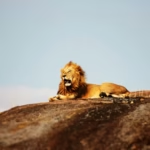
In March lions, cheetahs and hyenas are still important components of the Serengeti ecosystem. When large herds come together, predators have more chances of carrying out a hunt. Yet the sight of a herd does not always result in a chase and a great many animals spend long periods in a state of rest.
A guide specializing in giving information can help you to understand what is going on around you; for example, you may see a lion keeping a distance while watching a herd or hear hyenas communicating over the grassland. Memorable moments can be created even if there is no hunt.
Green Plains and Changing Skies
Rain causes fresh growth to appear in the Serengeti, making the plains look greener. Along the safari routes there are patches of grass, scattered trees and distant hills producing a varied landscape.
The light throughout the day is also affected by the weather; clouds can soften the midday sun and when the rain stops the bright colours over the landscape become visible. Those photographers who enjoy natural scenery usually value such conditions.
Birds Across Different Habitats
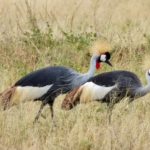
Birdwatching is a good activity to add to your safari arrangements in March, since the Serengeti has open grasslands, woodlands, rivers, and seasonal wet areas, each of which supports different kinds of bird species.
Be on the lookout for lilac-breasted rollers, secretarybirds, ostriches, and kori bustards, and you might also see eagles and other birds of prey; your guide will be able to tell you what species they are and explain their feeding behaviour.
It is possible for someone who has no experience in birdwatching to still enjoy the sightings. A wildlife holiday can become more interesting if you take the time to notice the smaller details.
A Different Feel from the Dry Season
March can be quite different from the busy dry-season months, since in some places there are fewer visitors, even though the more popular camps and migration sites can still draw a large number of guests.
The individuality of each journey comes about because of the green landscape, the occasional showers, and the changing patterns of wildlife movement. On one morning you could be keeping track of a herd as it moves across the plains and on another you might be searching for birds close to a wetland. It is easier to make the most of what each day has to offer if your schedule remains flexible.
Potential Drawbacks
Rain Can Change Your Plans
March comes just at the beginning of Tanzania's long rainy season; the showers may be short, but heavier rain can reduce visibility and make certain tracks hard to use.
Game drives can generally be arranged according to local conditions, though delays may occur. If the weather changes, a waterproof jacket and a flexible itinerary will keep you comfortable.
The Migration May Move Elsewhere
The wildebeest herds are not confined to a single place during March; those in the southern plains stay there whilst the others move as the grazing conditions change.
You might be let down if you expect to see the herds in a specific location on a set date. It's a good idea to look at the latest reports before choosing your camping site, and you should keep in mind that wildlife sightings cannot be guaranteed.
Some Roads May Become Difficult
Heavy showers can leave the ground muddy and slippery. It may take longer to drive between different sections of the park, especially following continuous rainfall.
Go on a safari with an experienced guide who knows the local routes and don't pack in too many activities over one day, making sure you leave enough time for transferring between camps.
Warm Days and Humidity
Daytime temperatures may go up and the air can seem humid if it's raining. Moreover, long periods spent in a safari vehicle can become boring if one isn't properly prepared.
Put on clothing that allows your skin to breathe, take along some drinking water and use sun protection whenever it's necessary. It is useful to have a light jacket for use in rain and for the cooler mornings when driving.
March When Compared to Other Popular Seasons
In March the landscape is green and there is still a good deal of wildlife activity, whereas from June through to October the area is generally drier in most of the Serengeti. When it is dry animals tend to gather around the remaining water sources and certain roads are easier to travel over.
January and February are normally the months linked with the main wildebeest calving season in the southern Serengeti; although young calves can still be seen in March, the movement of the herds is determined by the amount of rainfall, and April and May generally get more rain, which in turn affects the travel conditions.
The month that is best for you will depend on what is most important to you; if you like green scenery, birds, and the opportunity to see wildlife without having to concentrate solely on the migration, then March might be a suitable option.
| Feature | March | June–October | January–February |
|---|---|---|---|
| Wildlife Viewing | Active wildlife and changing herds | Often easier spotting in open, dry areas | Good opportunities to see newborn wildebeest |
| Landscape | Green grasslands | Drier, golden plains | Green southern plains |
| Crowds | Vary by area and camp | Often busy in popular locations | Vary with migration activity |
| Weather | Warm with increasing rain | Generally dry, with cooler nights | Warm, with conditions varying by area |
| Birdwatching | Excellent seasonal variety | Good resident birdlife | Excellent birdwatching |
| Migration | Herds may remain in the south or begin moving | Herds move through different parts of the ecosystem | Large herds commonly gather in the southern plains |
Final Notes
Going on a safari in the Serengeti in March brings with it green scenery, lively wildlife, and the chance to watch the herds as the migration progresses. You might get to see young wildebeest, spot the predators over the plains, or take some time to identify the birds en route.
Since rain and changes in the movement of the herds might affect your plans, it's worthwhile checking the local conditions before you travel. You should choose your safari area with care, leave enough time for slow game drives, and follow your guide's advice. March is suitable for travelers who value the natural scenery as much as the opportunity to see large animals.