June is the beginning of the dry season in Serengeti. The long rains ease, the grasses dry out, and wildlife moves across the ecosystem. The Great Wildebeest Migration often moves through the central and western part of the ecosystem. Although both rainfall and herd movements are variable, June is a great opportunity to explore the Serengeti and its wildlife.
Is June a Good Month to Take a Safari in Serengeti?
You should definitely consider visiting the Serengeti in June if your main objective is to witness the landscape change from green to drier.
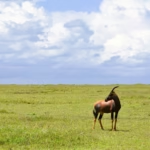
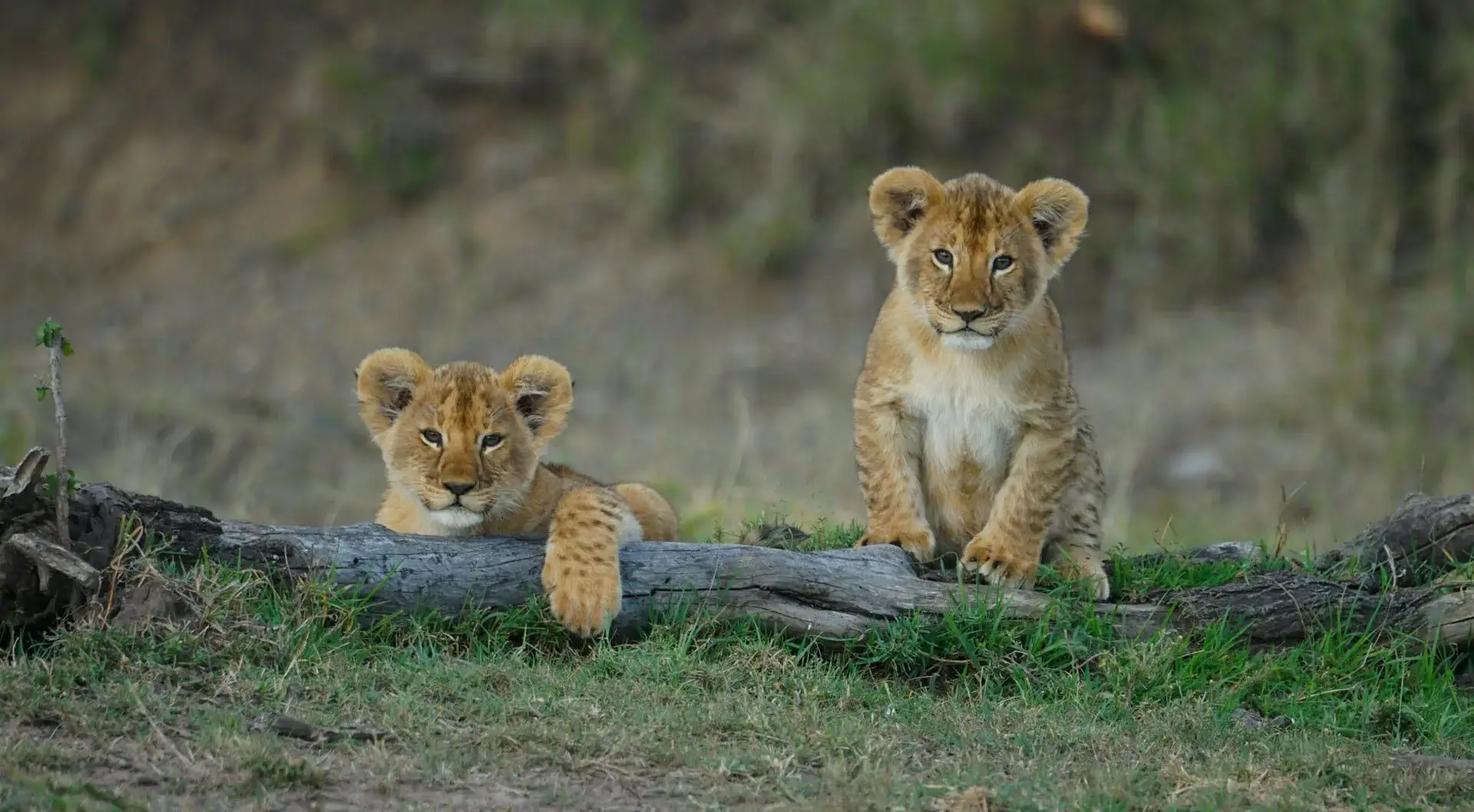
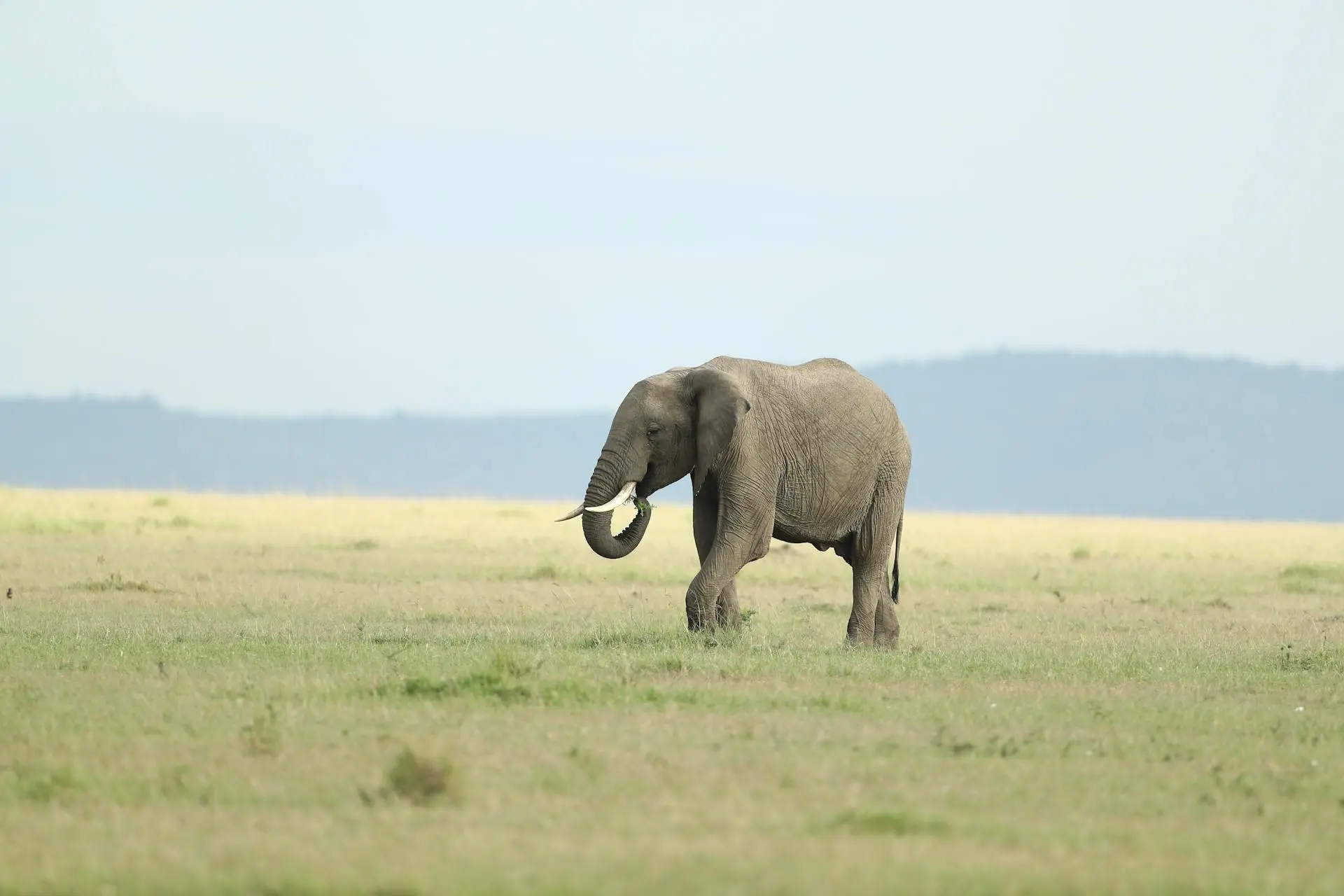
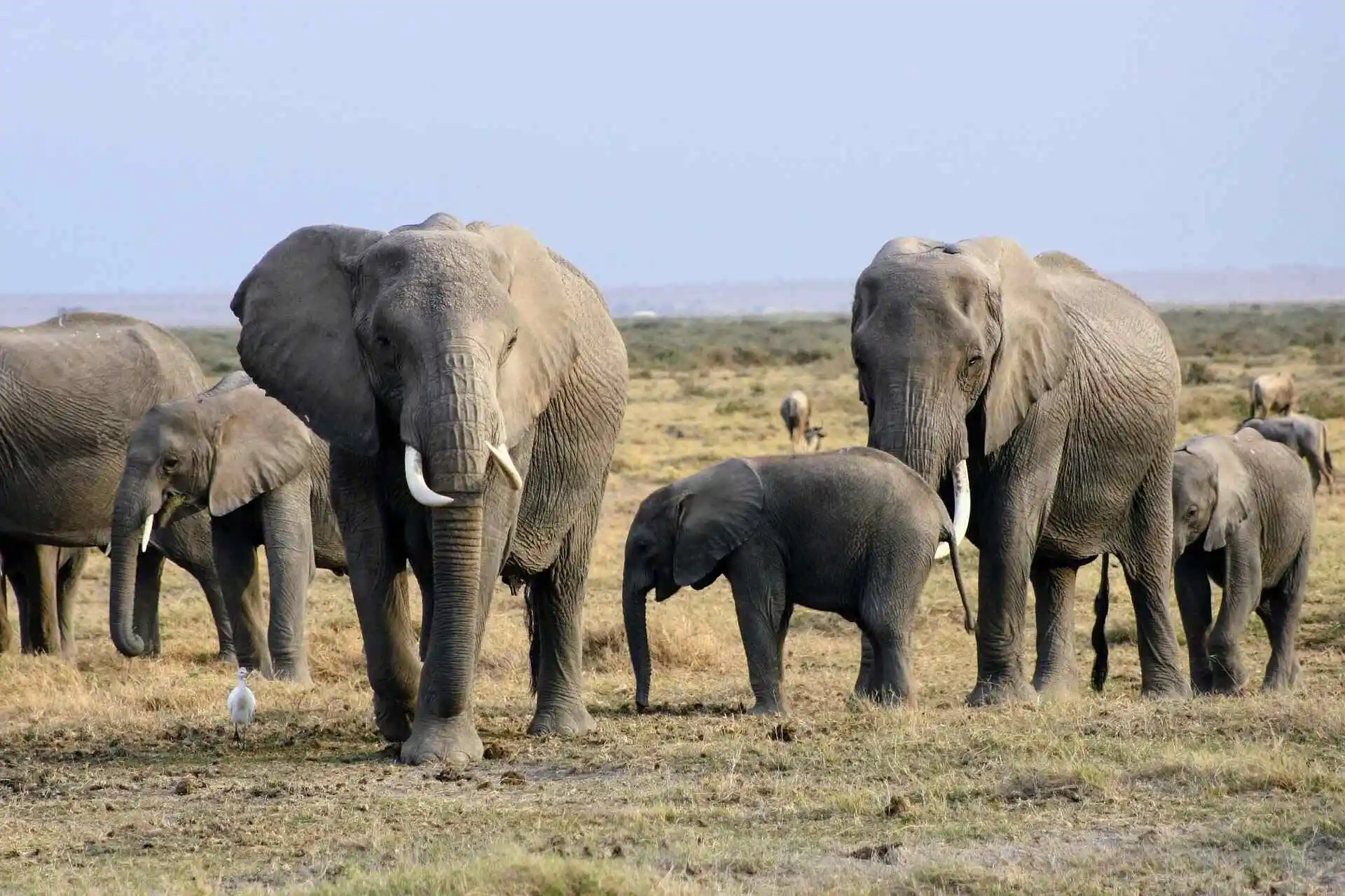
The resident wildlife can be seen anywhere across suitable habitat. Lions, elephants, giraffes, zebras, buffaloes, and various antelope species can be seen in the ecosystem all year round. Animals congregate near permanent water sources as these dry up.
June can also prove quite special for getting away from the crowds in some of the more popular regions. However, it is important to note that crowds and prices can fluctuate depending on the area and time of your visit.
If you are thinking about following the Wildebeest Migration, then June is perfect for you. You should know that herds can move into the Western Corridor, but this can vary greatly depending on the year and where the rain falls. Having a flexible itinerary coupled with good tour guiding is essential if you are thinking about encountering the Great Migration in June.
What Is the Weather Like in Serengeti During June?
It tends to be cooler during early mornings in June. Daytime temperatures are pleasant and, compared to the long rains, there is less humidity. The weather can be very variable across the ecosystem because of its vastness and the range of altitudes.
While driving around the open grassland during a game drive in the mornings can be chilly. A warm jacket, long trousers, and a good pair of hiking boots or sandals can come in handy during these times. As the day progresses, it warms up, and you will probably want to shed some layers.
You can also expect some rain showers in June. Some of the roads can also be muddy, particularly if there has been recent rainfall. It is best to check road conditions if you are planning on driving between camps.
The changeable weather can prove to be a blessing for capturing some phenomenal photographs. The combination of cool morning temperatures, overcast skies, and the occasional rainfall can provide the perfect conditions to snap some fantastic shots of the diverse wildlife. As the month progresses, the landscape becomes progressively drier, although this can be highly variable across the ecosystem.
What Wildlife Can I See on a June Safari?
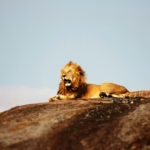
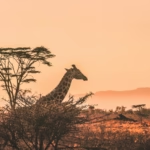
June is an excellent opportunity to witness many of the year-round resident wildlife species in the Serengeti. You can see lions lazing around on the warm boulders or under the shade of trees. Elephants can also be seen meandering through the ecosystem in search of food and water. The acacia leaves provide a continuous source of food for giraffes, while buffaloes, zebras, and a variety of antelope species can also be seen.
The Great Wildebeest Migration is a sight to behold. Many herds of wildebeests and Zebras can be seen traversing the central and western part of the ecosystem. They are following the rains and searching for new grazing lands. As mentioned earlier, their movements are highly dependent on the pattern of rainfall and can be highly variable from year to year.
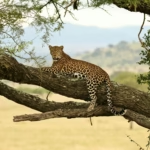
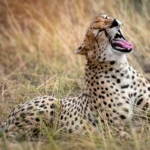
The predators are also on the prowl as they follow the herds of wildebeests and zebras. Lions and spotted hyenas can often be seen around the areas frequented by the herds. Leopards are also quite common but are elusive and can be seen prowling around from tree to tree or dense foliage. Cheetahs tend to stick to more open savannahs where they can see their prey.
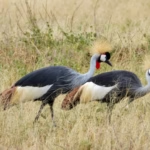
Birdwatching is also an excellent activity to do in the Serengeti during this time of the year. The grasslands, woodlands, rivers, and wetlands of the Serengeti provide a home for many birds. Spotting small animals and birds can provide an exciting experience as a more significant animal might be lurking just behind a bush.
Of course, wildlife spotting is never guaranteed, and it is essential to have realistic expectations. Spending some extra days in the ecosystem and having an excellent safari guide can prove to be more rewarding as he will know where to find specific animals.
Where Should I Go on a Serengeti Safari in June?
The Western Corridor
The Western Corridor is fantastic for following the Wildebeest Migration. The open grasslands, woodland, and rivers provide a habitat for many animals that come to this part of the ecosystem following the rains.
The Grumeti River is a lifeline for the corridor and is a good place to see crocodiles. Some of the wildebeest herds will also attempt to cross the river, but crossings are never guaranteed.
The Western Corridor is an excellent place to be if you are thinking about encountering the Great Migration in June. It is important to check reports on the herds and road conditions before setting up camp here.
The Central Serengeti/Seronera
The central part of the Serengeti has a range of different habitats, from open plains to rocky kopjes and wooded areas. This region is fantastic for wildlife spotting as it hosts a year-round supply of animals. You can see lions lounging around the rocky outcrops, leopards resting in tree branches, and herds of elephants, giraffes, zebras, and a variety of antelope species.
This part of the ecosystem is also fantastic for those who do not want to focus solely on the Great Migration but still want to witness some of the most iconic African wildlife. The central Serengeti is also a good place to spot the wildebeest herds as they make their way back to the southern plains following the rains.
The Northern Serengeti
The open grasslands, hills, river valleys, and woodlands of the Northern Serengeti provide a habitat for many animals that come to this part of the ecosystem following the rains. This region is also one of the best places to witness the Great Wildebeest Migration, particularly in the later part of the dry season.
However, you might want to consider that the herds will not be in this part of the ecosystem in June. Ask around for any sightings before deciding whether to set up camp here.
How Does the Great Wildebeest Migration Move in June?
The Great Wildebeest Migration consists of millions of wildebeest, zebras, and other herbivores that cross the Serengeti ecosystem and on into the Maasai Mara in Kenya. They follow a pattern of rainfall that determines where the best grazing and watering holes will be. There is no definitive route as they continuously follow the vegetation.
The herds can be seen all over the central part of the Serengeti in June as they make their way to the Western Corridor. Of course, this can vary from year to year depending on where the rain has fallen and where the most excellent grazing has presented itself.
Some herds will steadily make their way to the west while others will linger in one area if the conditions permit. The Grumeti River will also present an obstacle as some of the herds will attempt to cross it, but this is never guaranteed as the crocodiles that call this river home will be waiting. However, remember that the herds will only enter the water if they feel safe.
Predators will always be around following the wildebeest and zebras. Spotted hyenas and lions will always be on the lookout for any opportunity to pick off any young or weak members of the herd.
As mentioned earlier, you never know where you will see the herds. It is always best to speak to some locals and ask around before deciding where to set up camp as the conditions will change from day to day.
What Can I Experience on a June Safari?
Witnessing the Great Wildebeest Migration
One of the most exciting experiences you can have on a safari in the Serengeti is to witness the migration of millions of wildebeest, zebras, and other herbivores.
The large herds will stretch out across the grasslands. You will be able to see zebras walking alongside the wildebeest as they make their way to follow the pattern of rainfall. They tend to travel at a steady pace, but they will also congregate in larger groups depending on the conditions.
The herds of wildebeest and zebras never travel alone, and they will always have a contingent of predators following them waiting for an opportunity to pick off any young or weak members of the herd.
The exact location of the herds will be ever-changing, and it is crucial to spend a few days in the area trying to find them. Of course, this is never guaranteed, and you need to have realistic expectations of what you are likely to witness during your stay.
Seeking Out the Crossings at Grumeti River
The Grumeti River is one of the most prominent features of the Western Corridor. Along with the crocodiles that call it home, it will also present an exciting challenge for the herds of wildebeest. Of course, there is no guarantee that they will attempt to cross it, and the conditions will determine if this will happen.
While the herds will only make the crossing if they feel safe, any visitor can enjoy a fantastic game drive around the river. There is always an exciting opportunity to witness some of the most iconic African animals such as lions, leopards, elephants, giraffes, zebras, and various antelope species.
Capturing Fantastic Photographs of Serengeti’s Iconic Landscapes
June presents a fantastic opportunity to capture some incredible photographs of the Serengeti’s unique landscapes. The rolling grasslands, rocky kopjes, scattered trees, and river valleys are all excellent features to include in your frame. They all present varying opportunities, so it is essential to take as many photographs as you can whenever you have a chance.
You will find that the early mornings and late afternoons present the most accessible lighting for capturing some incredible shots. The sky will also provide an ever-changing backdrop as you take in the scenery. Of course, the changing seasons will also bring about varying conditions that you can take advantage of.
You need to make sure that you keep your camera dry and protected from the elements, particularly if you are out and about on a cloudy day. Extra batteries and memory cards will also come in handy as you will want to capture every moment.
Enjoying Game Drives Before the Busiest Time of Year
If you are someone who does not mind the crowds, then June can prove to be quite special for you as there will still be fantastic opportunities to witness the diverse wildlife. As mentioned earlier, the areas around the herds will always have a contingent of predators waiting to pick off any young and vulnerable members of the herd.
Of course, the conditions will determine what you can see, and it is crucial that you speak to your guide as he will know the most accessible places to find them. You will also not have to rush between camps as you would in the peak season. You can always save some funds by staying somewhere with seasonal rates, but it will depend on where you decide to stay.
Make Sure to Visit Areas with More Wildlife Viewing Opportunities
While the central part of the Serengeti has a range of habitats that are perfect for spotting different animals, it is always a good idea to stay near some permanent water sources. This will ensure that you have a greater chance of spotting wildlife. You should also avoid staying too far away from other camps as you will want to move around the ecosystem to find more game.
Packing Smart for Serengeti in June
Packing some warm clothing is essential as it can get quite chilly in the mornings. You will most likely want to shed some of your layers as the day progresses, so it is always a good idea to err on the side of caution and pack some extra warm clothing. Long trousers and closed sandals or hiking boots will also come in handy. A waterproof jacket is always essential as rain showers can be expected, particularly in the evenings.
You will also want to bring along some sunglasses, sunscreen cream, a beanie or a cap, and some insect repellent.
Avoid Rushing Between Wildlife Viewing Areas
The best time to do a game drive is in the mornings and evenings as this is when wildlife tends to be at its most active. The weather will also be the most comfortable, and you will want to make the most of your time in the Serengeti. An experienced guide will know the best time to go on a game drive, and it is always best to leave the planning to him. He will also ensure that you have enough time to do a game drive before heading back to your accommodation.
Making Sure to Choose a Suitable Camp
It is essential to do your research and find out which camp is within your budget. You should also let your preferred camp know what kind of experience you are looking for. Remember that if you are planning on following the Great Migration, then the Western Corridor is where you should set up camp. You will need to ask around for any sightings of the herds before you finalize your decision.
Always Remember to Leave Some Flexibility in Your Itinerary
The animals in the Serengeti do not follow a strict itinerary. It is always a good idea to have a flexible travel plan so that you can take advantage of any unexpected sightings. You will also want to keep in mind that if you have a flight to catch, then the travel time between your accommodation and the airstrip is something you need to factor in. This is particularly important if you are planning on traveling during the rainy season.
June or Other Months: Which Safari Season Is the Best?
| Comparison Factor | June | Other Months |
|---|---|---|
| Weather | Warm days, cooler mornings, occasional rain | Varies by season |
| Wildlife Viewing | Resident wildlife available year-round | Sightings vary with seasonal conditions |
| Landscape | Green areas and drying grasslands | Lush greenery or dry grasslands |
| Crowds and Prices | Peak season begins | Vary by month and accommodation |
| Great Wildebeest Migration | Herds may move through the Western Corridor | Migration routes vary by season |
| Best For | Game drives, photography, and migration viewing | Different seasonal wildlife experiences |
Visiting Serengeti in June Offers a Variety of Experiences
June is the perfect time to visit the Serengeti as it has a mixture of the long rains and the dry season. You will have a fantastic opportunity to witness a wide range of the diverse wildlife and stunning landscapes of the Serengeti. You can also see the Great Wildebeest Migration, and it is always a good idea to speak to your safari company about any sightings of the herds. It is also essential to keep your itinerary flexible.