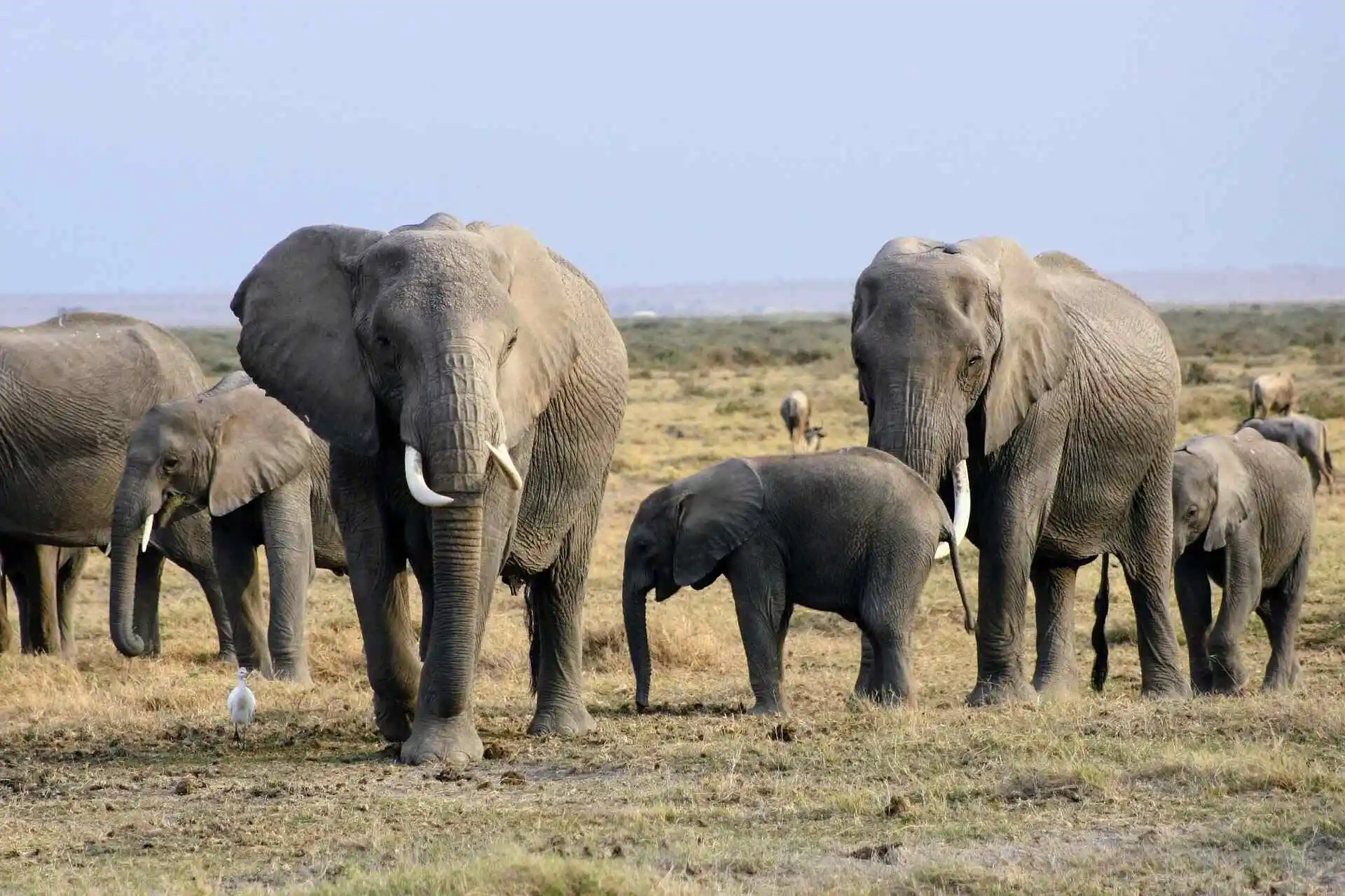
January offers travelers an active and green Serengeti. Wildlife thrives, and the landscape supports both predators and herbivores. Safari experiences are rich and varied. Visitors can enjoy fewer crowds and fresh scenery.
Is January a Good Time to Visit Serengeti?
Yes, January is a prime time for a Serengeti safari. Wildlife activity is high. The calving season begins. Photographic opportunities are excellent. Travelers witness predators hunting in active herds. The park feels alive with energy.
Weather in Tanzania in January
Temperatures range from 24°C to 28°C during the day and 18°C to 20°C at night. Rainfall is light and occurs in short bursts. Humidity is noticeable but manageable. These conditions rarely disrupt safari schedules.
Is January Good for a Safari in the Serengeti?
Yes. The southern Serengeti is lush and supports dense wildlife populations. The combination of active predators, green plains, and newborn wildebeest creates an engaging safari. Drives are productive, and sightings are frequent. Photographers will find vibrant landscapes and animal behavior.
Where to Focus Your Safari?
Focus on the southern Serengeti and the Ndutu area. Over 500,000 wildebeest gather here for the calving season. Lions, cheetahs, and hyenas actively hunt. This area offers intense wildlife encounters. Guest lodges and camps nearby allow quick access to key zones.
Where is the Great Wildebeest Migration in January?
In January, the migration centers on the southern plains and Ndutu. Newborn calves populate the area. Predators follow closely. Visitors can observe dramatic hunting and survival scenes. This month provides one of the strongest predator-prey experiences in Africa.
January Highlights: Why January is a Great Time to Visit
The Wildebeest Calving Season
Calves are born in large numbers. Predators take advantage of the abundance. Observers see natural behaviors up close. The plains are dotted with newborns. This period lasts a few weeks, peaking in mid-January.
Predator Action
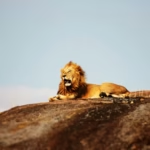
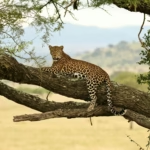
Lions, cheetahs, and hyenas hunt frequently. Predators compete for food. Sightings are consistent throughout the day. January provides high chances of witnessing kills. Safari drives are dynamic and thrilling.
Lush Green Landscape
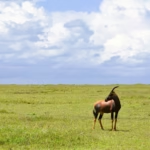
Short rains result in dense green grass. Plains are visually striking. Herbivores thrive on fresh vegetation. Predators benefit from abundant prey. Photographers capture color and texture in every frame.
Fewer Crowds
Tourist numbers are lower thanin peak months. Roads are less crowded. Game drives feel private and relaxed. Lodges have better availability. Travelers enjoy a quieter safari experience.
Optimal Birdwatching
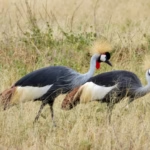
Migratory and resident birds appear in January. Lilac-breasted rollers, secretary birds, and storks are common. Green season habitats attract a variety of species. Birdwatchers can explore early mornings and late afternoons.
Potential Drawbacks
Higher Prices Early in the Month
Prices can be higher during the first weeks due to holidays. Booking in advance may reduce costs. Mid to late January is more affordable. Visitors can find deals in less busy lodges.
Possibility of Rain
Showers are light and short. Drives continue without interruption. Rain enhances vegetation. Roads can be muddy but navigable. Travelers should carry waterproof gear for comfort.
Humidity
Warm temperatures combined with rain increase humidity. Clothing should be breathable. Hydration is important during long drives. Most visitors adjust quickly to the conditions.
January vs. Other Popular Seasons
Compared to June to October, January provides lush landscapes and calving action. Dry season animals cluster around water, making spotting easy. January offers more active predator-prey scenes. Crowds are smaller, and birdwatching is richer. December is busy due to holidays, while January is calmer and wildlife-focused.
| Feature | January (Green Season) | June – October (Dry Season) | December (Holiday Season) |
| Wildlife Viewing | Active predators, calving season | Concentrated around water | Moderate, some migration |
| Landscape | Lush green plains | Dry, dusty savannah | Mixed green and dry |
| Crowds | Low | High | Very high |
| Weather | Warm, short rain | Dry, cooler nights | Warm, occasional rain |
| Birdwatching | Excellent | Moderate | Fair |
| Accommodation Prices | Moderate to high early | High | High |
Final Notes
Visiting the Serengeti in January gives travelers close wildlife encounters, dramatic calving scenes, and green landscapes. Fewer visitors allow quiet observation. Predator activity is strong. Birdwatching is rewarding. January offers a dynamic and memorable safari experience.