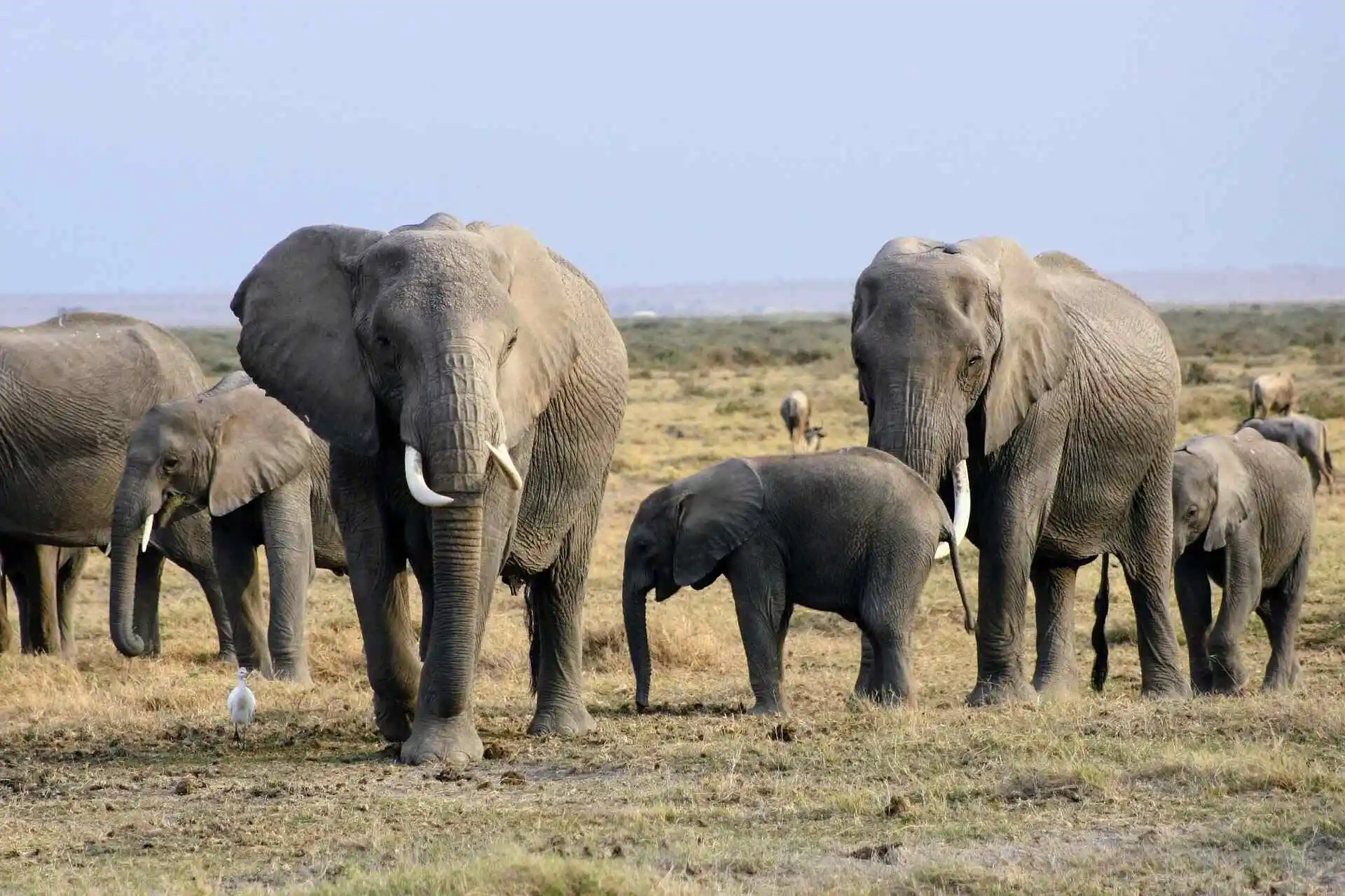
February brings a particular kind of energy to the Serengeti. The plain looks fresh and green. New life is everywhere. For many travellers, this month is the single best reason to visit. This page explains why and what to expect when you travel in February.
Is February a good time to visit the Serengeti
Short answer: yes, for many visitors. February sits at the heart of the wildebeest calving season. That event draws predators, creates constant wildlife action, and offers rare photographic moments. For travellers who want intense game viewing and fewer crowds, February often beats the busier dry months.
Weather in Tanzania in February
February is warm and generally pleasant across the northern safari circuit. Daytime highs in the Serengeti often reach the high 20s Celsius. Nights are cooler and comfortable. February comes before the long rains that begin in March or April, though short, local showers do occur. Those rains keep the grass green and the plains lush. Expect warm mornings, hot mid-days, and possible short afternoon showers.
Is February Good for a Safari in the Serengeti?
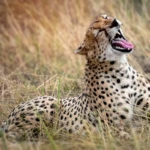
Absolutely, if your aim is wildlife action. The calving season concentrates hundreds of thousands of herbivores on the southern and central plains. Predators follow. That mix produces frequent hunts, scavenger gatherings, and dramatic encounters. Game drives during February often result in several close sightings per day, including lion, hyena, cheetah, and vulture activity around newborn calves. The denser vegetation in places can mean animals are sometimes a little harder to spot at a distance. Still, the calving spectacle more than makes up for that.
Where to focus your safari?
For February safaris, aim for the southern Serengeti and the Ndutu plains. These areas lie south and east of Seronera and include parts of the Ngorongoro Conservation Area. Camps and mobile tented camps in this zone place you closest to calving hotspots. If you prefer a quieter base with easy access to multiple areas, Seronera remains a solid option. Guides often tailor daily drives to follow the herds as they move across the southern plains.
Where is the Great Wildebeest Migration in February?
In February, the majority of the migration typically gathers on the southern Serengeti and in the Ndutu region. This timing coincides with peak birthing on the short-grass plains. The herds spread across wide areas as calves take their first steps. While the classical river crossings are not the main feature in February, the density of animals and the predator-prey dynamics create an equally compelling spectacle.
February highlights
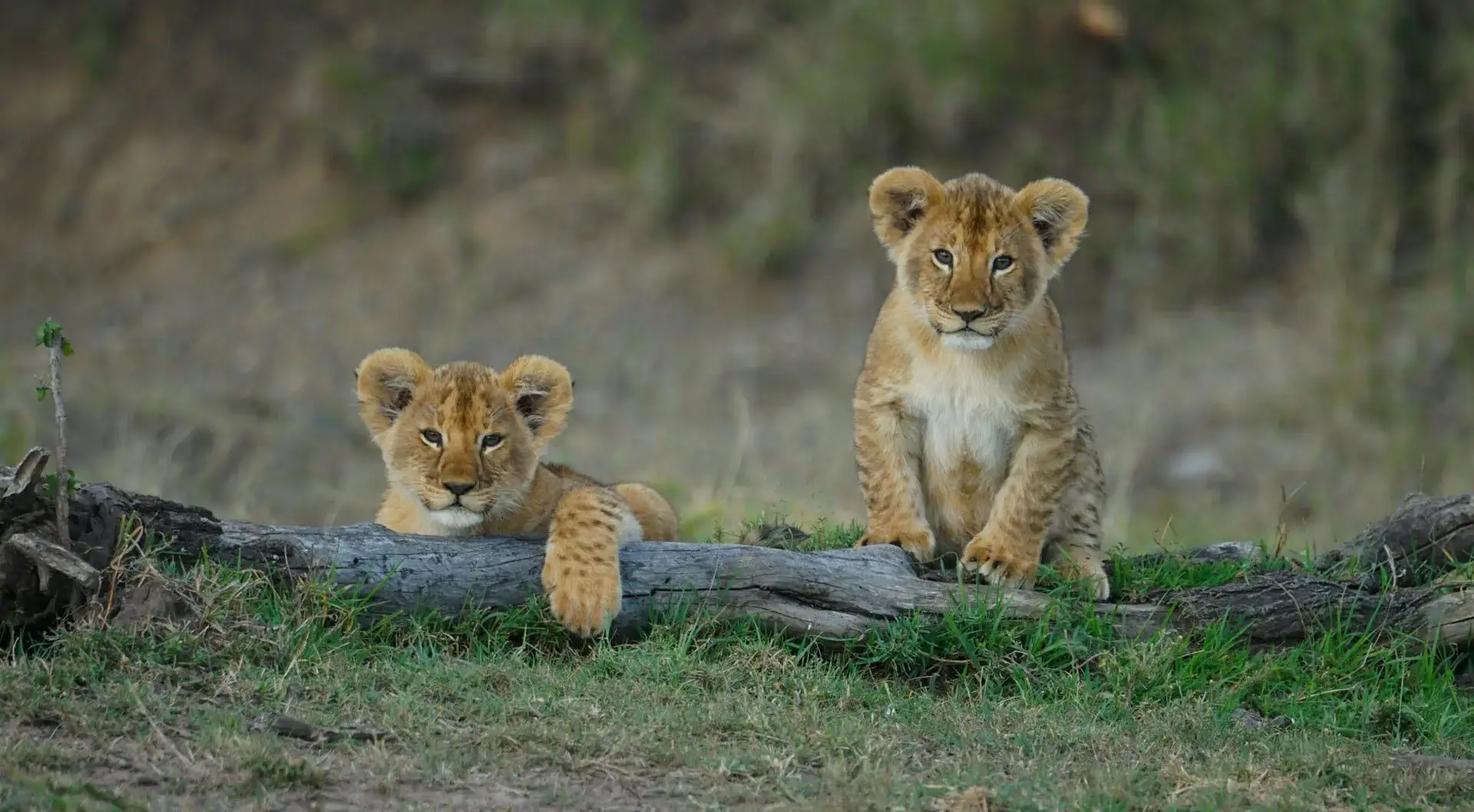
- Calvin spectacle. Tens of thousands of wildebeest calves are born during this month. That produces intense predator activity and memorable scenes.
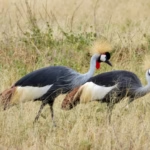
- Excellent birding. Migratory and resident birds are active and visible in the green plains.
- Fewer tourists. February is outside the peak dry-season crowd. Many lodges offer lower rates.
- Great photography. Low-angle light, green backdrops, and dramatic action produce striking images.
- Comfortable temperatures. Warm days and cooler nights make early morning drives pleasant.
Drawbacks
- Unpredictable short rains. Afternoon showers can interrupt drives and sometimes make minor roads muddy. Expect flexible schedules.
- Some remote camps close. A few very remote lodges may shut for maintenance during the off-peak months. Plan ahead to secure open camps.
- Less chance to see classic river crossings. If your main goal is the dramatic Mara River crossings, February is not the prime month. Those crossings happen at other points in the migration cycle.
February vs. other popular seasons
- February vs. June–October (dry season). The dry months concentrate wildlife around permanent water. That makes animals easier to find across wider areas, but roads are dustier and crowded at famous crossing points. February offers action focused on calving and fewer visitors.
- February vs. November–December (short rains, green season start). November and December offer green plains and baby animals in some years. February is later in the green season and usually hosts the peak of the calving event.
- February vs. March–April (start of long rains). Rain increases in March and April. Roads and drives can be more affected than. February usually offers a balance of green scenery and generally reliable game viewing before heavy rains begin.
Final Notes
If you want close, frequent wildlife action and dramatic predator encounters, February is an excellent choice. Book camps in the Ndutu and southern Serengeti early. Expect warm days, cooler mornings, and the odd short shower. Be flexible with daily plans and pack light rain protection for camera gear. Travelling in February rewards visitors with fewer crowds, strong photographic opportunities, and a front-row seat to one of nature’s most powerful life-cycle events.