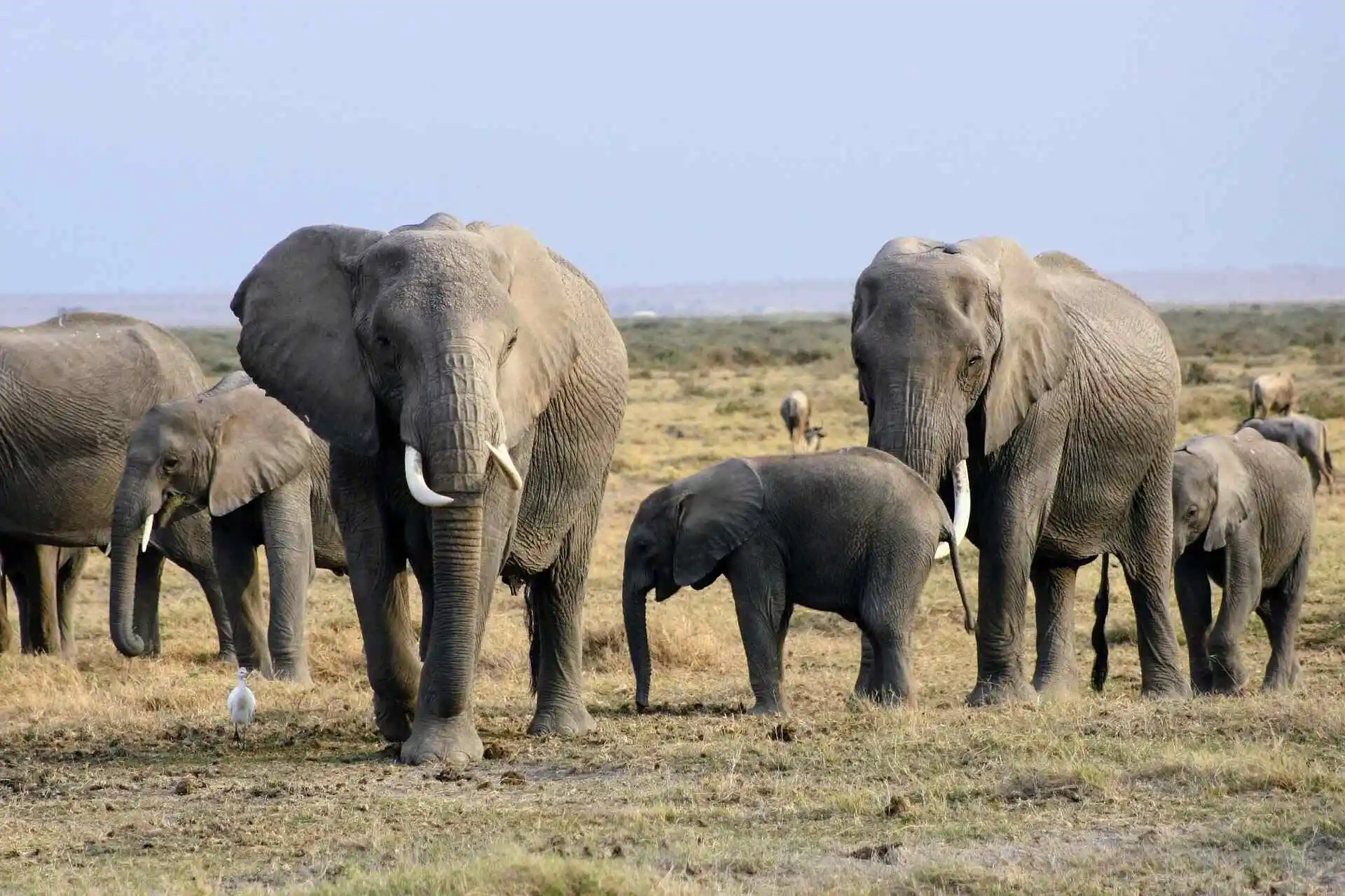
April is a lovely month in the Serengeti, with plenty of rain falling on the landscape. The grass grows lush and green, streams appear across the landscape, and dark clouds gather over the horizon. Animals continue to thrive, but they are harder to spot. Wildebeest herds can also begin their migration towards the centre and west of the park. If you are comfortable with the rain and appreciate the green landscape, your Serengeti tour should include April.
Essential Information for Travelers
April is a good month for a safari in the Serengeti if you are comfortable with the rain and prefer fewer crowds. While the grass turns a more intense green, you have a chance to see the diverse wildlife that calls the Serengeti home.
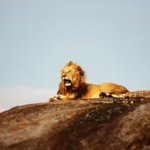
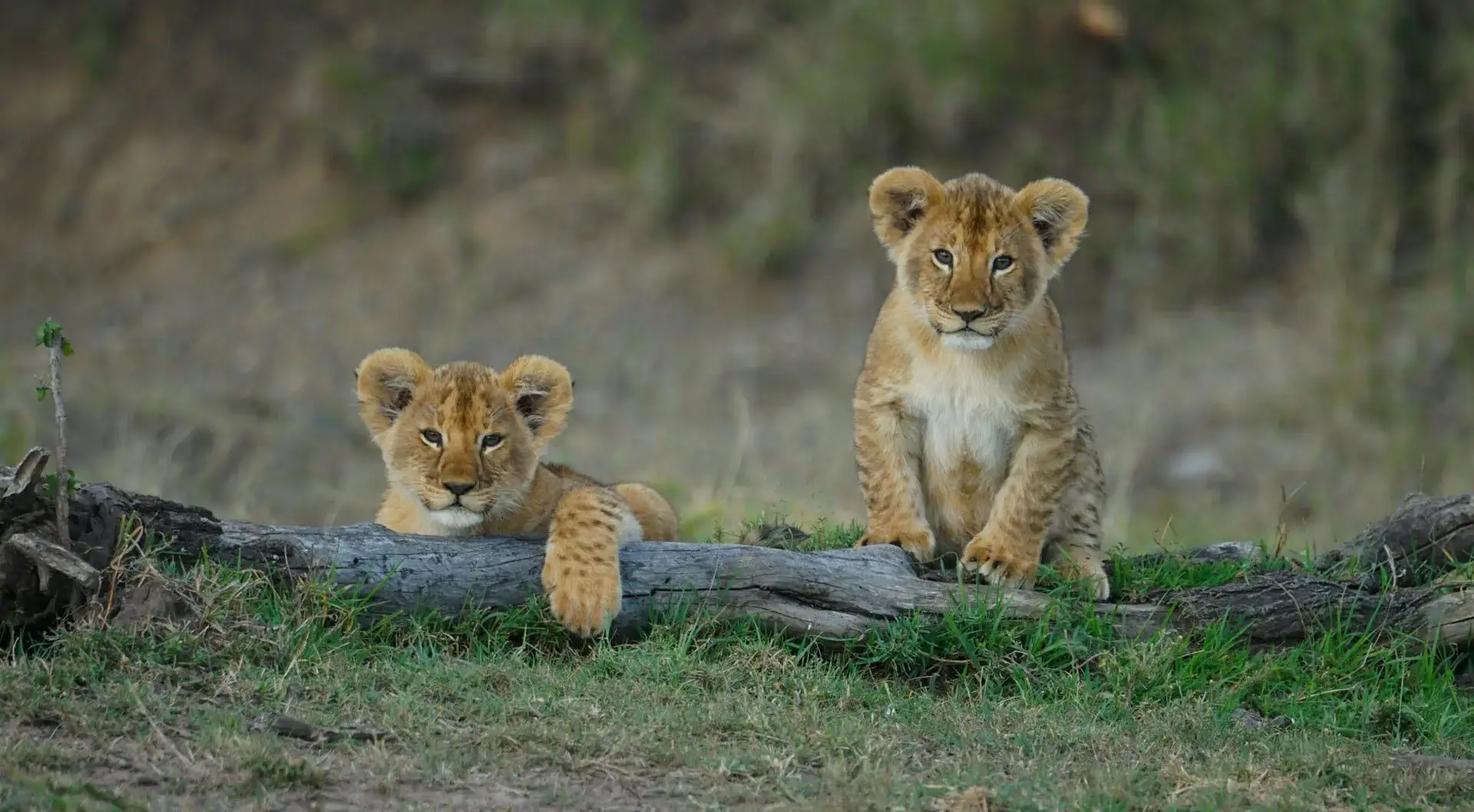
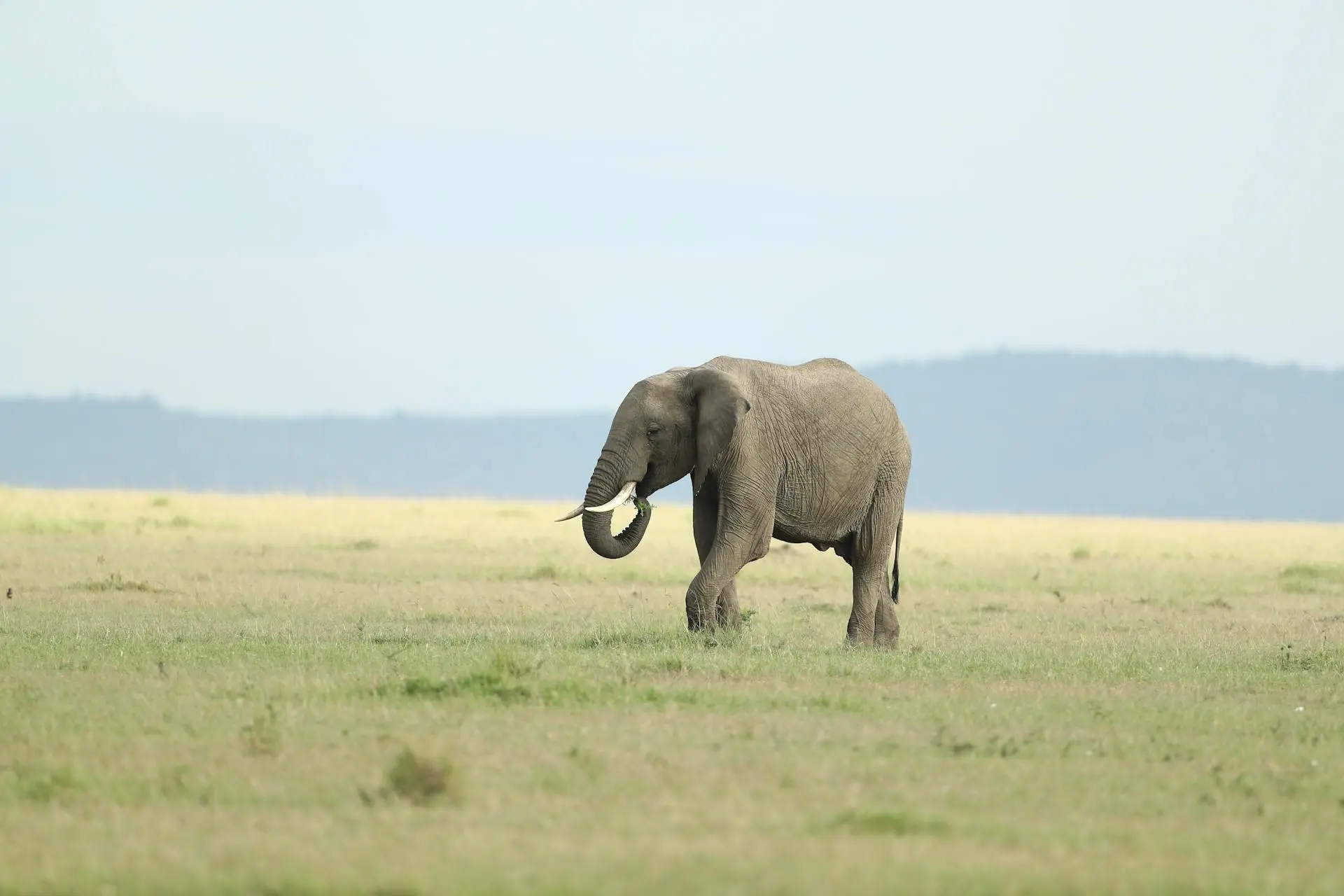
Wildlife sightings are likely, including lions resting among the tall grass, elephants wandering through woodland, and giraffes grazing on the leaves of tall trees. However, spotting animals can be more challenging in April. The rain can also make some roads inaccessible, and driving between camps can take longer than expected. If you prefer to meander between game drives rather than hurrying from one to the next, April is a good month for a Serengeti safari.
April Weather in the Serengeti
April is typically one of the wettest months in the Serengeti. Daytime temperatures are warm, ranging from 25°C to 28°C, while night-time temperatures are cooler. Rainfall can vary across the region and is impacted by the variations in altitude. Showers can occur on cloudy afternoons that clear up during the night or fall throughout the day. Some days are drier than others, while others are consistently wet. The grass grows rapidly, and the plains take on a greener hue throughout the month.
Wear light clothing for warm days and a long-sleeved shirt for cool mornings while out on a game drive. You may also want to pack a waterproof jacket, as well as a warm layer for evenings. A waterproof bag will protect your electronics, while comfortable hiking boots are also a good idea if you plan on exploring outside your safari lodge.
Wildlife Sightings in the Serengeti in April
April is still a great month to spot some of the Serengeti’s resident wildlife. Lions, leopards, elephants, buffaloes, giraffes, and a wide variety of antelopes can be found in the region. What you can see depends on the time of day and the area you are in. Wildebeest and zebras can also be seen grazing in April as they continue their journey in search of greener pastures. Their migration patterns are impacted by the rainfall and the availability of food. As a result, you may see predators following the herds, but sightings are never guaranteed, and you may need to spend more time searching for them.
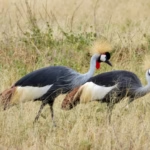
Birdwatching is also a highlight of a safari in April. Secretarybirds, lilac-breasted rollers, ostriches, kori bustards, and birds of prey can all be seen in the region. Different species can be spotted in different habitats, so it is worth asking your guide to help you identify any birds you see.
Best Places to See in the Serengeti in April
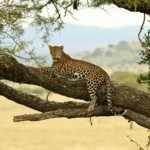
The central part of the Serengeti is an excellent place to focus your safari in April. The region, particularly the Seronera area, sees year-round wildlife sightings and offers a range of habitats, from grasslands to woodlands and rocky outcrops. It is also a good place to see the big cats, including lions and leopards.
The southern plains can still offer some interesting wildebeest sightings in early April. As the herds continue their migration north-west in search of fresh grazing, many will be seen in the central and western Serengeti. The timing of their journey can vary from year to year, so it is always worth asking your guide for the most up-to-date information.
The Western Corridor is another interesting region to explore in April as the wildebeest migration moves through the area. However, some roads can be muddy and challenging to navigate at this time of year. It is a good idea to ask your guide about the road conditions and accessibility before finalising your itinerary.
When choosing your camps, it is always a good idea to ask about recent wildlife sightings and road conditions. Staying in an area that you are interested in and close to any roadblocks will save you time spent driving on inaccessible tracks.
The Great Wildebeest Migration in April
Wildebeest begin their northward journey in April, leaving the southern plains and entering the central Serengeti. They continue their migration west in search of fresh grazing. The timing of their journey can vary from year to year, so it is always worth asking for the most up-to-date information. Some herds may already be seen in the far north-west of the Serengeti, while others will still be in the south in early April. Zebras and gazelles can often be seen following the wildebeest herds as they graze in the same areas.
April falls towards the end of the calving season, and you may see young animals walking alongside their mothers as the herds move. However, you may have to spend more time searching for the big cats, as they are elusive and can be challenging to spot in the long grass. Mornings and evenings are the best times to see the region’s predators.
If the wildebeest migration is the highlight of your Serengeti safari, it is always worth asking your guide about recent sightings. While they can give you an idea of where the herds are likely to be seen, it is not always possible to guarantee sightings due to the unpredictable nature of the migration.
Unique Experiences in Serengeti in April
Experiencing the Green Serengeti Plains
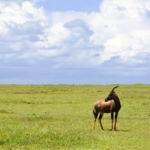
Rain transforms the landscape, turning the grass a deeper green and causing an explosion of new plant growth. Shrubs burst into leaf, and new seasonal water sources appear across the region. The grasslands take on a completely different appearance to their dry-season counterparts, which take on a golden hue. After a rainstorm, the clouds gather over the horizon before dissipating to reveal a bright blue sky. The combination of the green grass, dark clouds, and animals makes for a truly special sight. Photographers will also enjoy capturing pictures of the landscape and animals against this dramatic sky.
Wildlife Watching in the Long Rains
Rainfall does little to deter the animals that call the Serengeti home. Elephants, giraffes, and lions can all be seen wandering the region’s grasslands, often taking shelter from the rain in woodland areas. While some animals are harder to spot due to the deep grass, your guide will have the expertise to locate them. They may lead you to animal footprints or use their knowledge of the region to know where to look for lions, leopards, and hyenas. Spending more time on each game drive is also an advantage, as you may stumble across an animal that has recently passed through the area, leaving behind a tell-tale circle of faeces on the ground.
Time spent marvelling at the animals is just as valuable as taking pictures, and a longer drive gives you the opportunity to do both. While larger animals such as elephants and giraffes are easy to spot, it can be just as rewarding to watch smaller creatures such as birds and rodents.
Birdwatching in the Serengeti in April
Birdwatching is an activity that should not be overlooked in April, and the Serengeti is home to an array of fascinating species. The grasslands, woodlands, and seasonal water sources mean that there are birds to be seen in different habitats. Secretarybirds are often seen walking through the long grass, while lilac-breasted rollers and birds of prey can be seen perched atop branches. Ostriches and kori bustards can also be seen walking along the grasslands, and your guide will be able to help you identify the birds that you see.
Birdwatching is also a great distraction when the rain dampens a game drive, and you may find yourself spotting species you would not have seen on a dry-season safari.
Photographing Wildlife and Landscapes in April
April is a fantastic month for taking pictures of the landscape and animals. Clouds provide much-needed shade during the hot afternoons, while the fresh greenery provides a striking contrast to the dry-season browns. Photographers will enjoy capturing images of the rolling grasslands under a sky filled with clouds. Wildlife photographers will also enjoy the opportunity to take pictures of elephants crossing the plains and birds perched against a cloudy sky.
Photography can also be more challenging in April due to the frequent rain showers. A camera cover will protect your lens from the rain, and you should always pack a clean cloth to wipe away any droplets. You do not need to keep taking pictures if the rain begins falling, and a cloudy sky can be the perfect backdrop for a photograph. By waiting for the rain to stop, you can also capture beautiful pictures of the landscape.
Enjoying a Quieter Safari Season in the Serengeti
April is typically a quieter month for a safari in the Serengeti. With fewer tourists flocking to the region, there are likely to be fewer safari vehicles on the road too. While visitor numbers depend on the area and the time of year, some camps offer lower prices during this time. However, some camps do close during the long rainy season, and it is always a good idea to enquire about availability.
If you enjoy birdwatching and spotting wildlife against a backdrop of rolling green hills, an April safari is sure to delight you. Just be prepared for frequent rain showers and the possibility of adjusting your itinerary.
Challenges of a Safari in the Serengeti in April
Navigating Rain-Slicked Roads in April
April falls within Tanzania’s long rainy season, and heavy rainfall can make the roads impassable. Some showers pass quickly, while others can last for days, limiting your game-viewing time. Heavy rain clouds can also limit your visibility on the roads, and it is important to follow your guide’s advice on whether it is safe to travel.
Mud can also pose a challenge, particularly on dirt tracks that become slippery when wet. Some roads can become completely inaccessible during heavy rainfall, and transfers between camps can take longer than expected. An experienced driver and a reliable safari vehicle are crucial during this time of year, and it is always a good idea to ask your operator about the road conditions before finalising your itinerary. It is also best not to plan too many activities in a day, as a rainstorm could put a stop to your plans.
Unpredictable Wildlife Viewing in April
Wildlife sightings depend on where you are in the Serengeti and which animals you are hoping to see. As the wildebeest migration continues its north-west journey, you are unlikely to see large herds in the south of the park. Your guide will advise you on where to focus your safari, based on the time of month and recent sightings. However, the unpredictable nature of the migration means that it is not always possible to guarantee wildlife sightings, particularly with the big cats.
Challenges of the Long Rains in the Serengeti
Long rains can impact your itinerary, particularly on unpaved roads. Some camps close during this time of year, and it is a good idea to enquire about availability before finalising your plans. Muddy tracks can also make it challenging to travel between camps, and day-game drives can be shortened due to low visibility. It can also be frustrating if a planned activity has to be cancelled due to the weather.
April versus Other Months: When Is the Best Time to Visit the Serengeti?
| Month | Weather and Landscape | Wildlife and Safari Conditions |
|---|---|---|
| January–February | Warm conditions and green southern plains | Peak wildebeest calving season in the southern Serengeti |
| March | Green-season scenery with changing weather | Good opportunities for wildlife viewing |
| April | Heavy rainfall and lush green grasslands | Tall grass can make animals harder to spot, and muddy roads may slow game drives |
| May | Continued rain and green landscapes | Generally quieter, with possible travel challenges due to wet roads |
| June–October | Generally drier weather across much of the Serengeti | Firmer roads and often easier wildlife spotting in open areas |
Final Thoughts for a Safari in the Serengeti in April
April reveals the beautiful green landscapes of the Serengeti, and wildlife sightings are still plentiful despite the long rains. Animals such as lions and leopards remain elusive, while the tall grass makes spotting them challenging. Wildebeest and zebras also begin their annual migration towards the centre and west of the park.
Rainfall can impact road accessibility and transfers between camps and shorten game drives due to low visibility. It is always a good idea to enquire about local conditions before travelling and ask your camp if it is likely to be open and accessible when you arrive. If you enjoy a safari where you can appreciate the landscape as much as the wildlife, then an April visit is sure to delight you. Remember to pack appropriately for the rain and travel with an experienced guide who knows the region and its challenges.