The Serengeti delivers great wildlife year-round. Your best time depends on what you want most: the Great Wildebeest Migration, clear weather, or quieter sightings with fewer vehicles. Use this guide to match your dates with the experience you want.
When is the best time to observe the Great Wildebeest Migration?
The Great Migration involves about 1.7 million wildebeest and more than 200,000 zebra. The herds move in a broad clockwise loop across the Serengeti and into Kenya. The cycle follows rain and new grass, so timing can shift by days or weeks. You still can plan with confidence using these patterns.
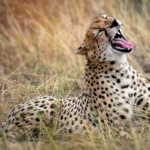
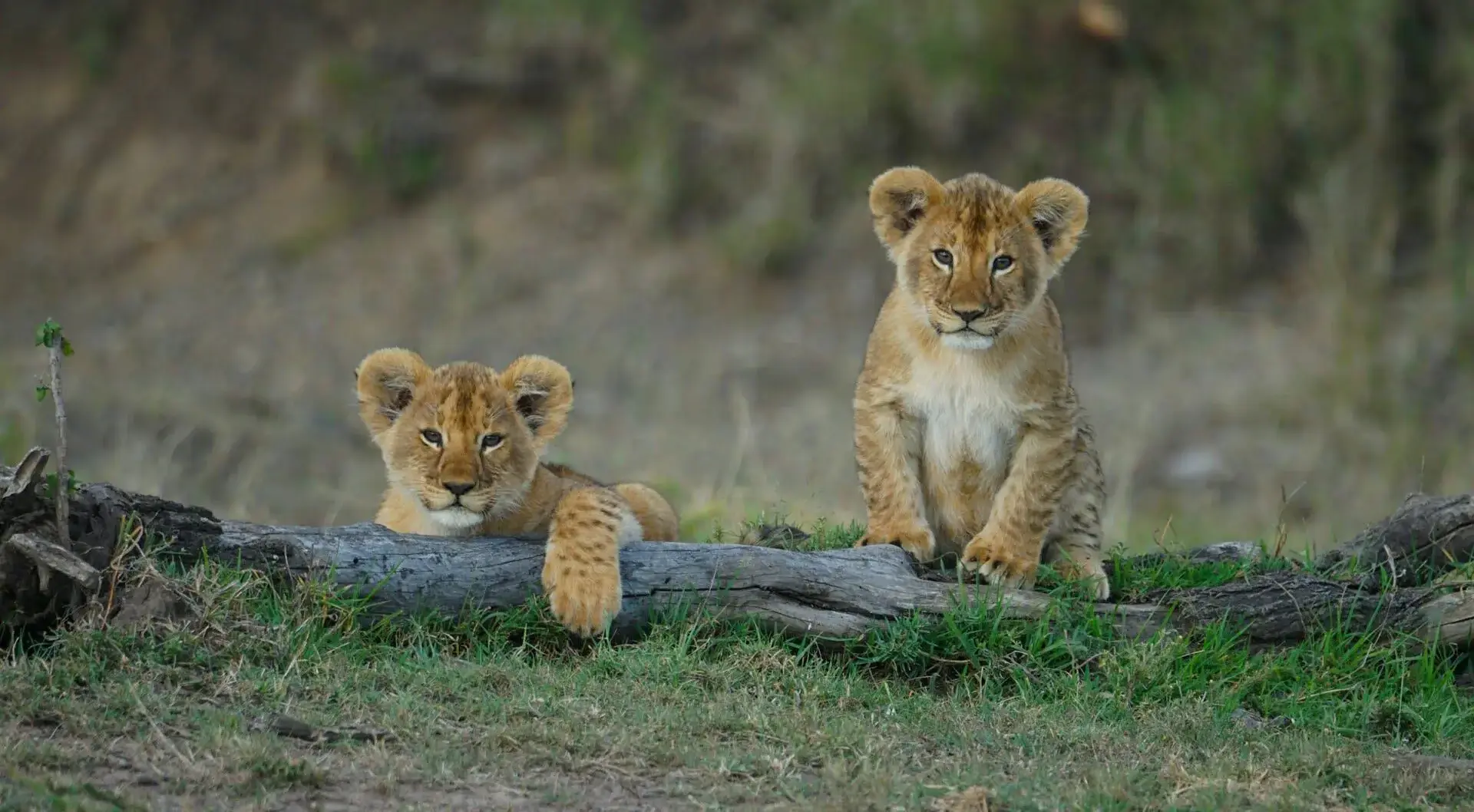
December to March places the herds on the short-grass plains in the southern Serengeti and the Ndutu area. February is calving season. About 500,000 calves drop within a few weeks. Predators focus on the nurseries, so expect intense lion and cheetah activity.
April and May bring movement toward the Western Corridor. The Grumeti River crossings begin in this window. These crossings are smaller than the Mara events but still dramatic and far less crowded.
June to September puts the action in the north. The herds reach the Mara River from late June or early July. River crossings peak from late July through September. Crossings can happen any day, then pause, then surge again. Spend at least three nights in the north for the best odds.
October and November see the herds fanning out and moving south through central and eastern sectors. By late December, they return to the plains and the cycle resets.
Want the best chance of a river crossing? Target late July to late September in the Northern Serengeti, then stay long enough to catch the action.
When is the climate and weather best in Serengeti?
Temperatures stay comfortable throughout the year. Daytime highs sit near 25–27°C. Nights are cool to about 14–16°C. Altitude varies across the park, so mornings can feel crisp, and evenings call for a fleece.
The dry season runs from late June to October. Skies are clear. Roads are firm. Bush thins out. Wildlife concentrates near rivers and waterholes. Fewer mosquitoes reduce malaria risk. This window is popular and reliable for general game viewing.
The green season runs from November to May. Short rains arrive in November and December. Showers are brief and often fall in the afternoon. Long rains start in March and ease by mid to late May. Rains refresh the plains, improve photography, and support the calving season. Birding peaks with migrants on the move. Travel remains very feasible outside the heaviest downpours in April and early May.
If you want firm roads and easy visibility, pick June to October. If you want rich colors, newborns, and fewer vehicles, choose January to March or November.
Best time to avoid the crowd
Crowds cluster around the migration front and big cat sightings near Seronera. You can plan around this and still see superb wildlife.
April and May bring the fewest visitors. Rates drop. Guides spend more time at each sighting. The park feels quiet and personal. You will meet mud on some tracks, but the payoff is uncrowded viewing.
Early November to mid-December is another sweet spot. Short rains green the plains. Visitor numbers remain low before festive travel begins.
You can reduce traffic even in peak months. Split your stay between the migration hub and a quieter region. The Western Corridor is calm from August to October. The far north and Mara area feel quieter from November to June. Start game drives at first light. Skip radio-called pileups. Spend time on lesser-used loops rather than the main arteries near Seronera.
Quick Guide:
- Best Time: January–February and June–October (different areas peak at different times)
- High Season: July–March (Seronera is usually crowded)
- Low Season: April–May (lower rates apply)
- Best Weather: June–October (little to no rainfall)
- Worst Weather: March–April (peak of wet season)
Seasonal Serengeti
Jan to Mar
This is the calving quarter. The herds gather on the southern short-grass plains and the Ndutu woodlands. February is the core birthing month. Thousands of calves are born each day. Lions, cheetahs, and hyenas work the fringes. You will see hunts in good light with short grass and wide views.
Skies are often clear in January and February. Dust is low, so images look crisp. March brings the start of the long-rain pattern. Showers build in the afternoon. Tracks can get slick, but sightings remain strong. Birding is excellent with raptors and migrants active. Photographers love this period for soft light and clean horizons.
Where to stay: mobile camps on the plains, Ndutu lodges, or southern central camps that reach both plains and kopjes.
Apr to Jun
April and May are the wettest months. Expect frequent showers and some heavy bursts. Many camps close for maintenance. Those that stay open offer very good value. The park feels empty. Guides work around storms by timing drives between cells. You still see cats, elephants, and large plains game. You also gain time at each sighting.
The migration pushes northwest during this window. By late May and June, herds gather in the Western Corridor. Grumeti crossings start. June marks the shift toward the dry season. Roads firm up. Skies clear. Game viewing improves day by day.
Where to stay: open properties in central Serengeti for reliable access, or Western Corridor camps in late May and June for early river action.
Jul to Sep
This is peak season. The dry spell is in full swing. Visibility is excellent. Predators hunt near the remaining water. The herds stack along the Mara River. Crossings peak from late July into September. Some days bring multiple crossings. Others bring none. Patience pays.
Expect more vehicles at the famous bends in the river. A private vehicle helps you wait out the crowds and react fast when a crossing starts. Book early. Space in the far north is limited. Nights can feel cool, so pack layers. Midday heat rises to the high 20s Celsius, but humidity stays moderate.
Where to stay: Kogatende and Lamai for river access. Add central Serengeti or a private reserve to balance the itinerary and reduce traffic.
Oct to Dec
October closes the dry season. Grass is short. Wildlife still concentrates near water. Big cats remain active. The migration begins spreading out and drifting south through central and eastern areas.
November brings the short rains. Showers settle the dust and green the plains. Sightings become calmer, with fewer vehicles. Photography improves with soft light and dramatic skies. Predators continue to work the open country, and grazers feed on fresh shoots.
By December, herds press into the south and Ndutu to set up for calving. Holiday travel increases demand. Book early if you want prime southern locations. The weather stays warm, with short storms that move through quickly.
Where to stay: central or eastern camps in October, then shift south from late November. If you travel during the festive period, plan longer stays in each camp to secure the best viewing windows.
Quick planning guide
- Calving and predator action: late January through February in the south.
- Early river crossings: late May through July in the Western Corridor.
- Mara River drama: late July through September in the north.
- Quieter trips and strong value: April to May, and early November to mid-December.
- Classic dry-season feel: June to October across the park.
Tell us the scenes you want most and your travel window. We will match camps and regions to the migration’s rhythm and the weather, then build a clear plan with smart drive times and the right number of nights.